

 Where to Buy
Osteo-Glycan
Superior powdered supplement containing marine collage, vitamins and minerals to support bone and joint development
View Product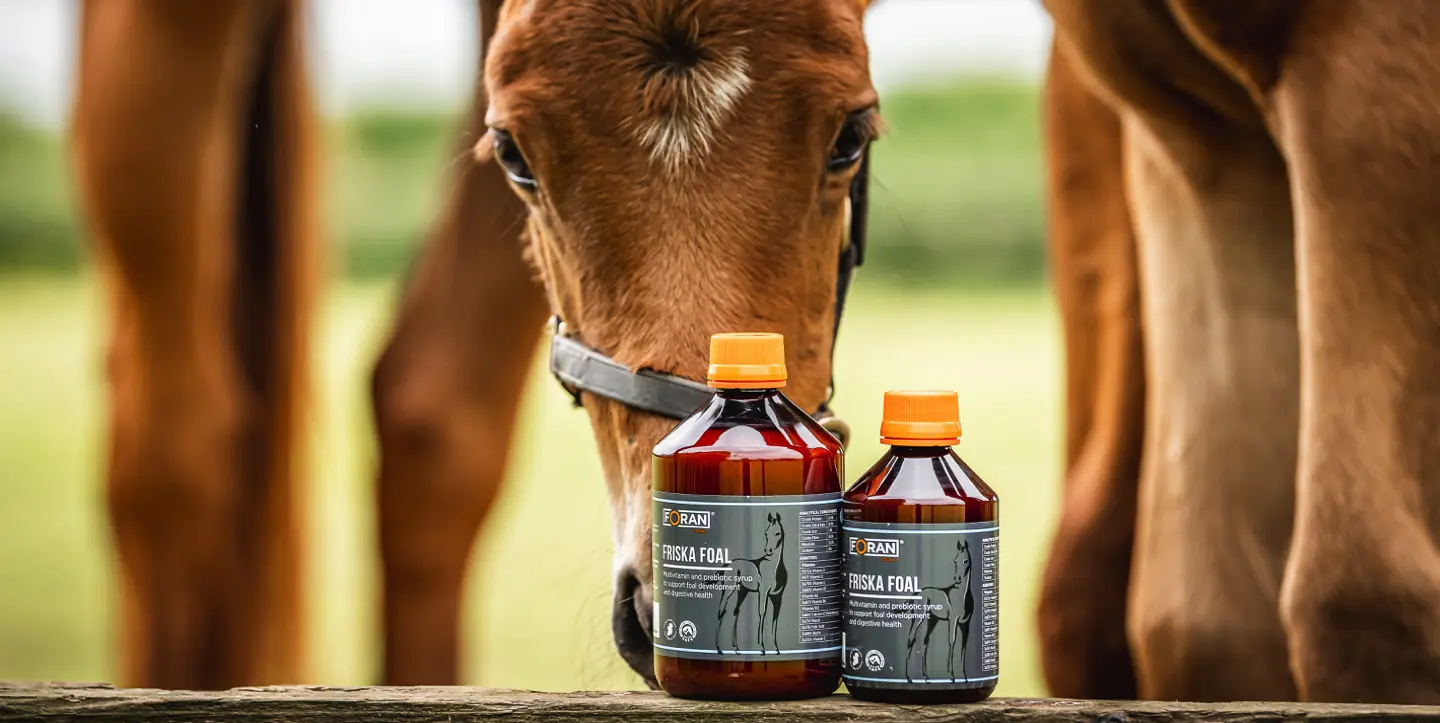
It is important to stay on top of changing nutritional requirements as young horses grow, develop, and become less reliant on their mother’s milk. The young equine gut must also quickly adapt to utilizing a solid diet and, being hind-gut fermenters, an increasing dependence on bacterial gut populations.
Ensuring the provision of key vitamins and minerals for young horses at adequate levels should remain a top priority to ensure normal development and minimize the risk of developmental orthopaedic disorders (DODs). Studies have shown that osteochondritis dissecans (OCD) is very dynamic during the early months of life, with the highest recorded incidence occurring at 5 months of age. These early months lay a solid foundation for a horse’s entire athletic life.
These essential minerals have closely intertwined roles, forming the foundation of strong and healthy bones and constituting 70% of the bone mineral content. If dietary provision falls too low (and recommendations have been revised upwards in recent years), deficiencies can occur, leading the body to tap into its reserves. This results in the removal of these minerals from the skeleton (bone demineralization), reduced bone density, and potentially bony malformations.
In addition to providing these minerals in sufficient amounts, the ratio of calcium to phosphorus for horses is crucial. Straying too far from the optimal Ca:P ratio of 1.5-2:1 can result in malabsorption and relative deficiencies. This is further complicated by the fact that the addition of feedstuffs such as chaffs or cereals to a horse’s hard feed can quickly alter the Ca:P ratio of the overall diet. Grains like barley, which is often fed in the Middle East, for instance, have inverse ratios of Ca:P, and these should be considered and factored into the dietary analysis.
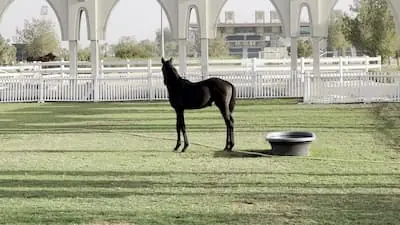

Copper for horses plays an essential role in the equine diet, particularly in young horses. It acts as an essential co-factor for many enzymes, including lysol-oxidase, which is fundamental to cartilage formation. Copper is also vital for the maintenance of healthy tendons and ligaments. In terms of broader health, copper supports antioxidant function and immune health, as well as being needed for the production of melanin – the pigment that determines coat colour.
While forage (hay or haylage) provides some level of copper, it does not fully meet the requirements necessary for young horses. Furthermore, copper absorption is extremely complex, as it interacts with several other trace elements in the diet, including iron and molybdenum, which have an antagonistic effect on copper absorption.
This makes copper supplements for young horses a key recommendation particularly in the Middle East where copper deficiency in horses is a common issue. As the young horse reaches 4-7 months of age, they will have utilized the stores developed in the womb but may not yet be consuming adequate levels of hard feed to ensure optimal copper intake so equine copper supplements are warranted.


Vitamins play wide and varied roles, many of which are related to healthy development as the young horse grows. Vitamin A in horses is essential, among other things, for normal eye function, but it is absent in the horse at birth, so it must be obtained through the diet. B-vitamins in young horses are involved in maintaining good metabolism, and folic acid specifically aids cell division and, therefore, growth. Then there is the previously discussed role of Vitamin D for horses in enhancing calcium absorption, which is crucial for normal bone development.
Bone and joint development in young horses can be supported with Osteo-Glycan, our equine joint supplement product which contains 5 key minerals, including calcium and phosphorus at an ideal ratio of 2:1, as well as marine collagen and vitamins A and D for horses.
Copper-Max, our copper supplement for horses delivers the highest dose of chelated copper available for horses, in an easy-to-administer oral paste. Chelation helps avoid the risk of copper ‘lock-up’ due to interaction with other trace minerals, and added zinc optimizes absorption.
Friska Foal, our foal supplement provides a combination of essential vitamins and prebiotics in a palatable syrup that young horses love! It is specifically formulated for the needs of young horses and complements the mare’s milk, providing them with a solid nutritional foundation for optimal development and growth.

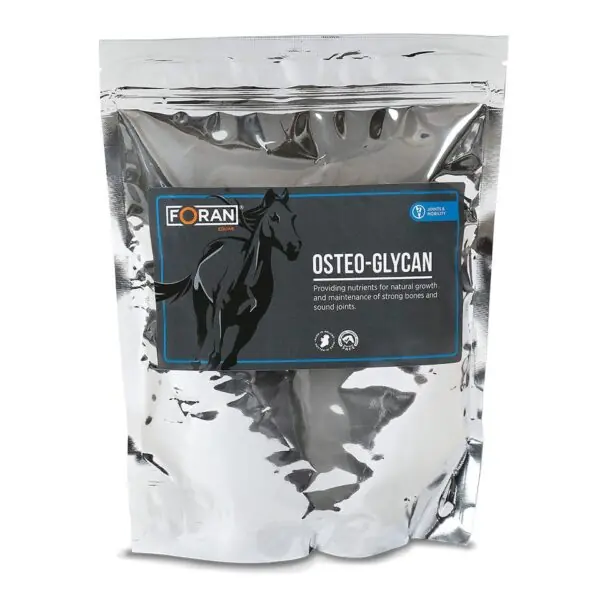
Superior powdered supplement containing marine collage, vitamins and minerals to support bone and joint development
View Product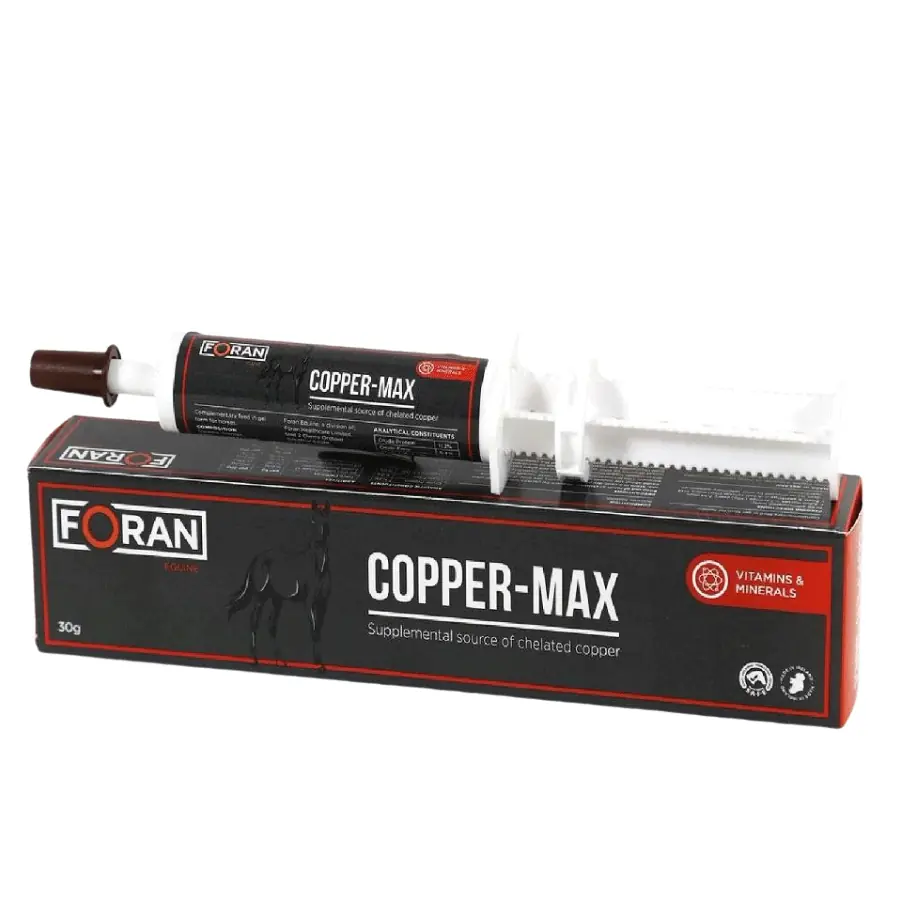
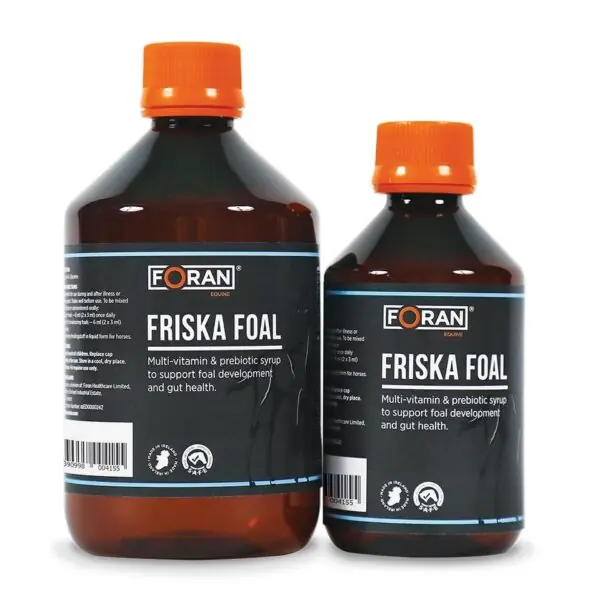
Multivitamin and prebiotic syrup to support foal development and digestive health
View Product
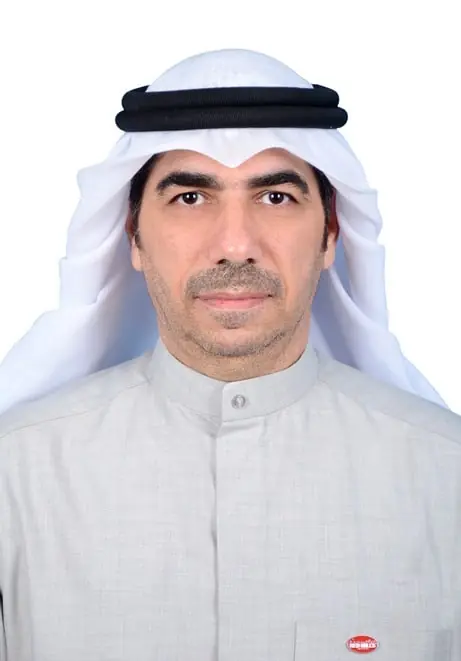
Senior Sales Consultant, Arab Markets
Based in Kuwait, Mohammad Agha serves as the Senior Sales Consultant for Connolly’s RED MILLS Group, representing a prestigious portfolio of products including Connolly’s RED MILLS horse feeds, Foran Equine Supplements, and Carr & Day & Martin Equine care products across the Arabian markets.