

 Where to Buy
Kentucky Karron Oil
The Gold Standard of Omega Oils. Balanced to support digestive function and overall well-being
View Product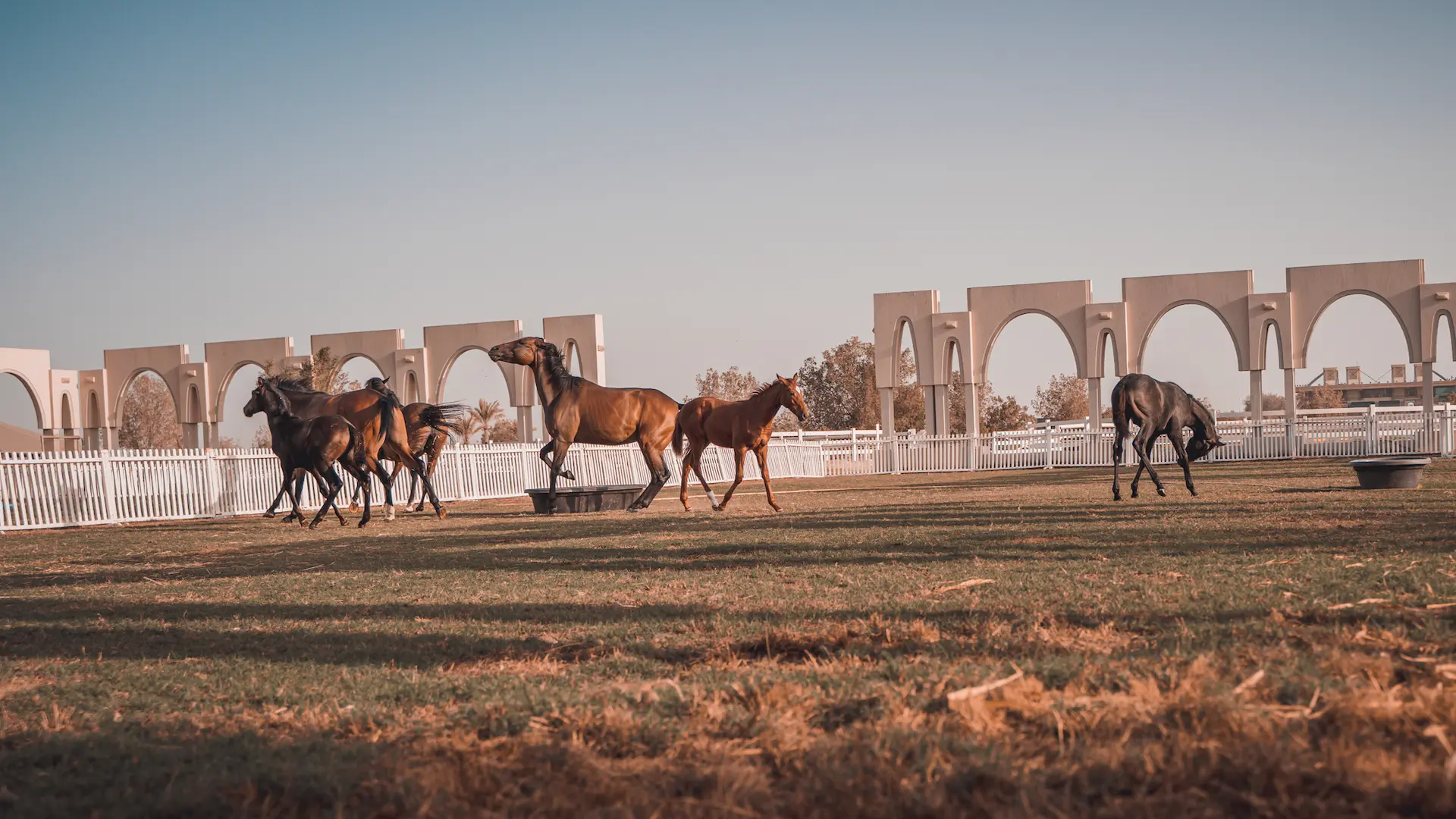
Colic is a prevalent disease among horses, with research indicating that approximately 4-10% of equines suffer a case of colic annually. Regrettably, it stands as the leading cause of equine mortality. Although, the severity of colic can be highly variable according to type.
In veterinary terminology, “colic” simply means abdominal pain. Because this term is so broad, there can be many underlying causes. Horses have a complex & specialised gastrointestinal system, making them susceptible to various forms of colic. Inadequate hydration levels are thought to be responsible for most colic cases. Hot weather in the Middle East predisposes horses to dehydration. The equine gut is highly responsive to alterations, and the range of colic types can span from mild discomfort to life-threatening conditions:
– Sand colic
– Gas colic (tympanic)
– Spasmodic colic
– Impaction colic
– Displacement/entrapment colic
– Torsion (twisted gut)
– Strangulation colic
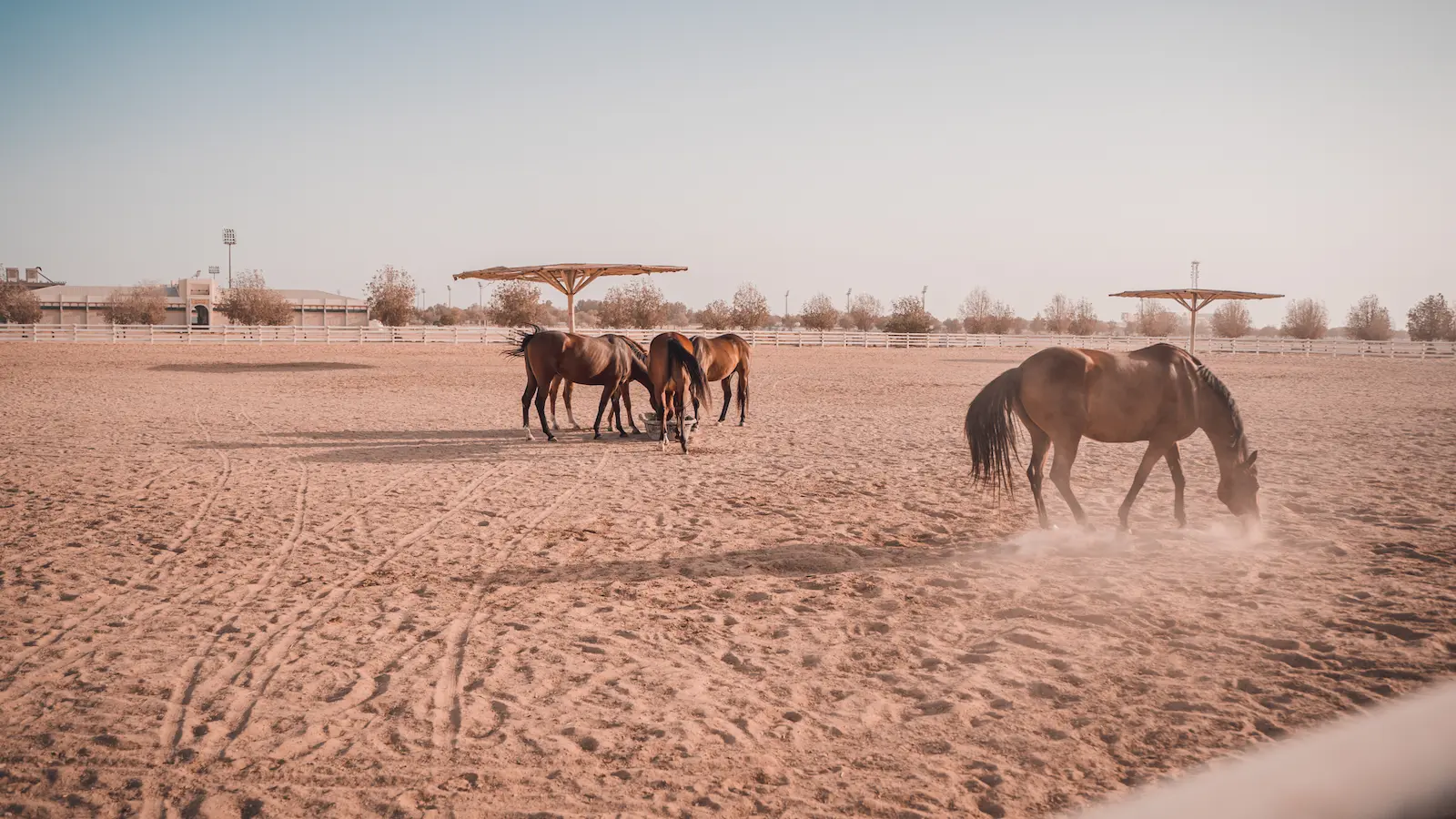
Sand colic in horses is very common in the Middle East, or when horses are fed from sandy ground. Many stables in the Middle East have sand-based beds or have access to sandy paddocks. Fine sand particles can build up in the large intestines, resulting in colic.
This condition arises when there is an excessive accumulation of gas within the horse’s large intestine, often resulting in a visibly bloated appearance. Typically, this is triggered by a sudden alteration in the horse’s diet.
Spasmodic colic is among the more frequently encountered types of colic, characterized by intestinal cramps or spasms. It is also commonly linked to abrupt dietary changes.
Impaction colic develops when partially digested feed, typically hay, accumulates within the intestine leading to a blockage or impaction. Horses afflicted with this condition often struggle to pass faeces. It is commonly observed in stabled horses and is particularly associated with dehydration.
This form of colic occurs when a section of the intestine shifts from its usual location in the abdominal cavity to another spot. If it remains trapped and cannot return to its original position, it is an entrapment colic. This situation is particularly serious as it stretches the blood supply to the intestine, potentially causing damage and tissue necrosis. Typically, surgical intervention is necessary to rectify the displacement.
A twisted gut arises when a segment of the intestine twists upon itself, a condition known as intestinal torsion, or when a portion of the intestine inverts into itself, referred to as intussusception. While this type of colic is relatively rare, it is exceptionally grave and often life-threatening. It is more commonly seen in mares after foaling when a significant space is left in the abdominal cavity.
Strangulation colic can result from a twisted gut, displacement, or impaction and is extremely severe. It happens when the blood supply to a section of the intestines is obstructed (strangulated), leading to rapid necrosis of the intestinal wall—a life-threatening situation. Immediate surgical intervention is imperative to prevent mortality.
Despite the various types of colic, the symptoms in horses are often nonspecific. Familiar indicators of colic in horses include:
– Pawing the ground
– Flank watching
– Kicking or biting the flanks
– Tail swishing
– Repeatedly lying down and getting up again
– Lying down for extended periods
– Throwing themselves onto the ground
– Rolling
– Curling the upper lip (Flehmen response)
– Displaying a stretched stance with hind legs far behind
– Sweating
– Increased breathing and/or heart rate
– Inappetence
– Dullness or agitation
– Groaning
As these signs are non-specific, it can often be difficult to decide what type of colic the horse has.

If you suspect your horse is experiencing colic, it is imperative to contact your veterinarian promptly. They can offer guidance on the next steps and typically recommend a physical examination to assess your horse’s condition and prescribe appropriate treatment. In many instances, early intervention in colic cases leads to more favourable outcomes. While less than 10% of colic cases necessitate surgery, identifying these cases early is crucial for the best chances of success.
While awaiting the arrival of your veterinarian, consider bringing your horse into a stable or a securely fenced-off area, if it can be done safely. If your horse is rolling, provide ample bedding, remove any feed, but ensure continuous access to water. Horses exhibiting rolling or frequent attempts to lie down and stand up may be hand-walked if it can be done safely. Additionally, closely monitor your horse for any signs of deteriorating condition.
When managing a case of colic, your veterinarian’s involvement is crucial. They will conduct a thorough assessment, which may encompass evaluating mucus membrane colour, assessing hydration status, monitoring vital signs such as heart rate, temperature, respiratory rate, and gut sounds. Additionally, your vet may perform a rectal examination, nasogastric intubation, abdominal ultrasound, abdominocentesis (belly tap) and blood sampling. These diagnostic tests collectively provide a comprehensive understanding of the specific type of colic afflicting your horse, facilitating the development of an appropriate treatment strategy. Potential treatment options for colic that your veterinarian will often include:
– Pain relief.
– Antispasmodic medications.
– Administration of electrolytes and fluid therapy.
– Surgical intervention.
The choice of treatment will be tailored to your horse’s condition and the underlying cause of the colic.
Horses with colic are experiencing pain. As part of the colic treatment plan, pain-relieving medications such as flunixin or phenylbutazone are often used.
In cases where colic involves increased spasms within the intestines, veterinarians prescribe medications that reduce these spasms by relaxing the smooth muscles of the gastrointestinal tract. A notable antispasmodic drug in equine medicine is ‘Buscopan.’
Dehydrated horses will require electrolytes and fluids administered via a nasogastric tube or intravenous drip. This approach is also used in managing impaction colics. Adequate gut hydration is essential for proper functionality.
Laxatives, such as liquid paraffin, can be administered via a nasogastric tube and are particularly beneficial in cases of impaction. They aid in lubricating the impaction itself, facilitating its movement.
Surgery may be warranted for conditions like twisted gut, strangulation, displacement, or entrapment. While these surgical procedures often carry inherent risks, it’s crucial for horse owners to understand that without surgery, the prognosis for these cases is poor to hopeless. In some instances of impaction colic, where there is a risk of rupture, surgical intervention may also become necessary.
The unique structure and functioning of the horse’s digestive system make them inherently predisposed to colic. However, it’s important for horse owners to be aware of certain risk factors associated with colic:
Worm control – heavy worm burdens will increase the risk of colic
Dietary change – Rapid alterations in diet can elevate the likelihood of colic.
Roughage quality – Diets primarily composed of coarse roughage, such as straw, are often linked to impaction colic.
Concentrate feeding – Providing large quantities of concentrates in one or two meals amplifies the colic risk. Feeding smaller, more frequent meals is advisable, with no more than 2 kg of concentrates per meal.
Dental health – poor dentition can be associated with impaction colic
Exercise – in fit horses with regular exercise, reducing their exercise levels may increase the chance of colic developing
Cribbing and wind-sucking – Horses that engage in cribbing have an increased risk of colic, particularly entrapment colic cases.
Transport – horses have more chance of developing colic after travelling
Post pregnancy – Mares have a higher incidence of colic in the two to six months following foaling.

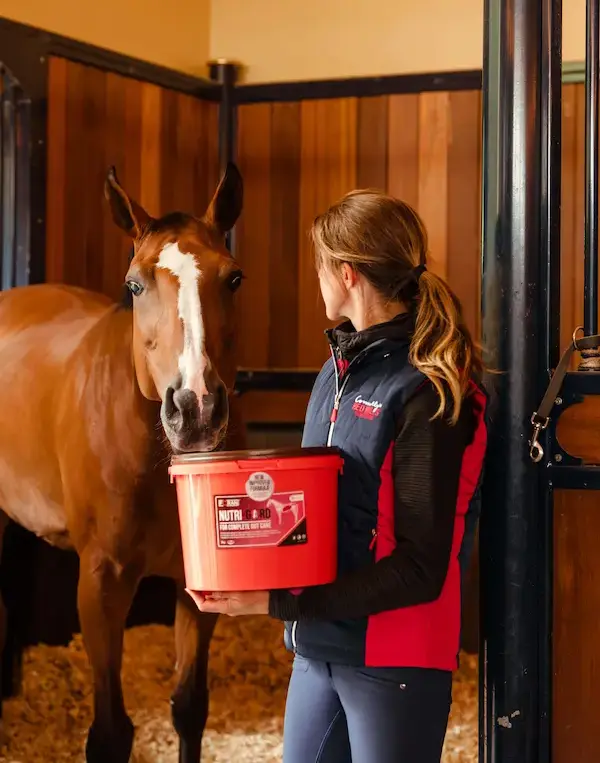
While you may not have control over all these risk factors, being mindful of them enables you to adjust your horse’s management to minimize their colic risk. Additionally, supporting your horse’s digestive health can be beneficial. Products like Nutri-Gard, Kentucky Karron Oil, and B-Complete can aid in maintaining digestive well-being. Consistency in dietary management is paramount for colic prevention. Feed plenty of good-quality forage (hay) and providing clean, fresh water access can mitigate any risks of colic substantially!
If you have concerns or inquiries regarding feeding colic-prone horses, do not hesitate to reach out to one of our equine nutrition specialists for further guidance and advice.
References:
Dukti, S., Management of Mild Colic. Practical Guide to Equine Colic, 2012
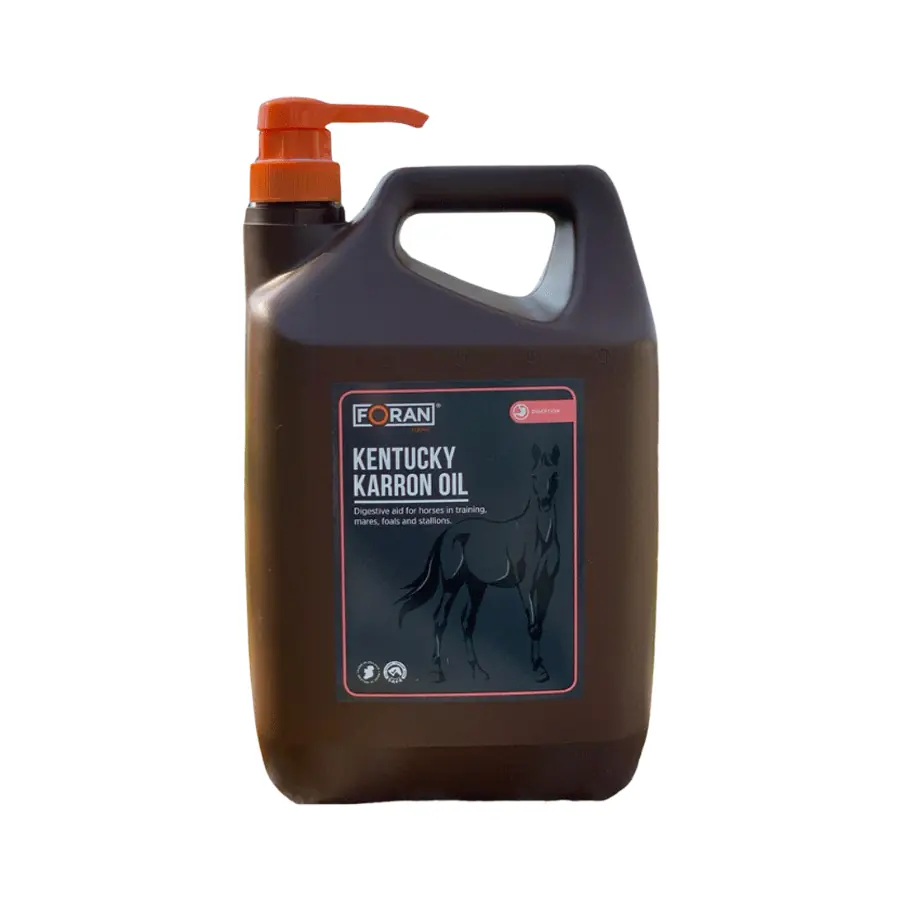
The Gold Standard of Omega Oils. Balanced to support digestive function and overall well-being
View Product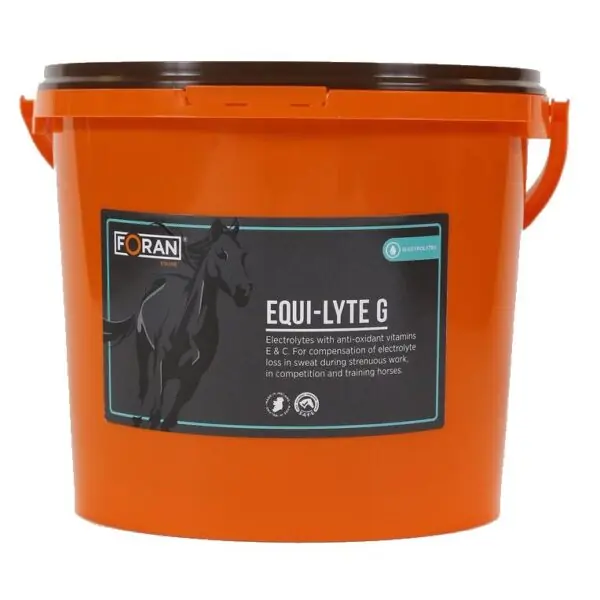
The ultimate package of balanced electrolytes and antioxidants to support muscle function and recovery
View Product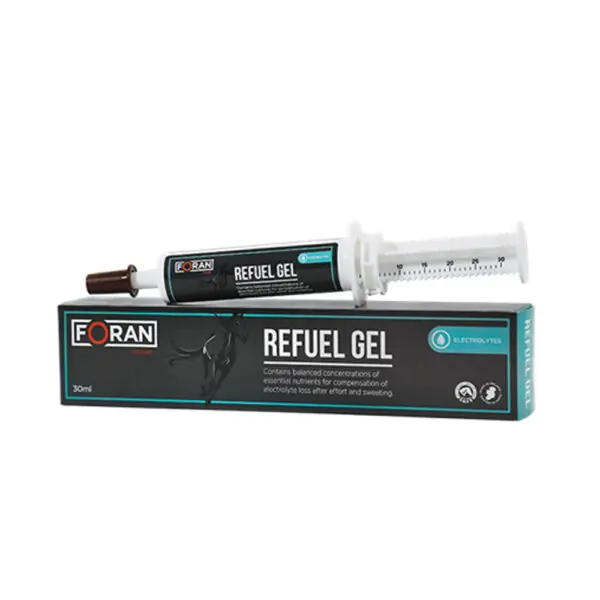
Concentrated electrolyte gel with added B vitamins and antioxidants for optimum recovery.
View Product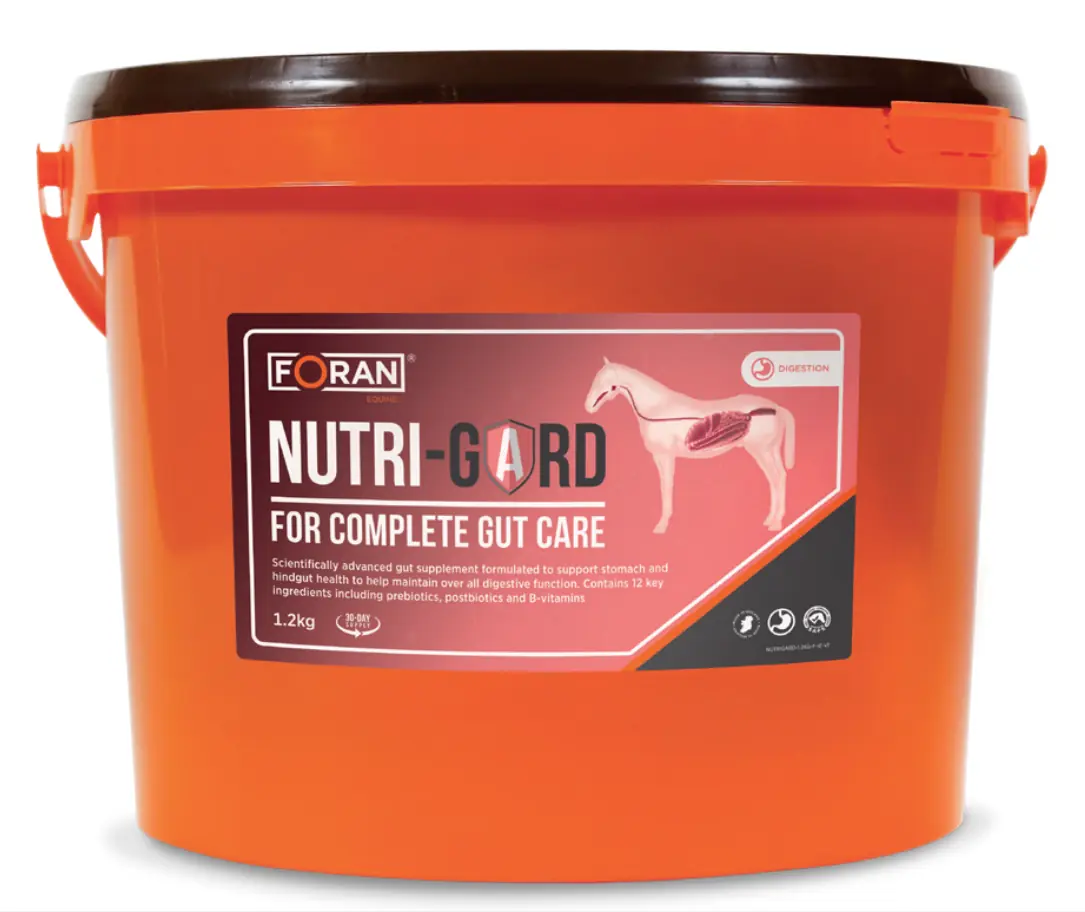
Scientifically advanced gut supplement formulated to support stomach and hindgut health and maintain overall digestive function.
View Product
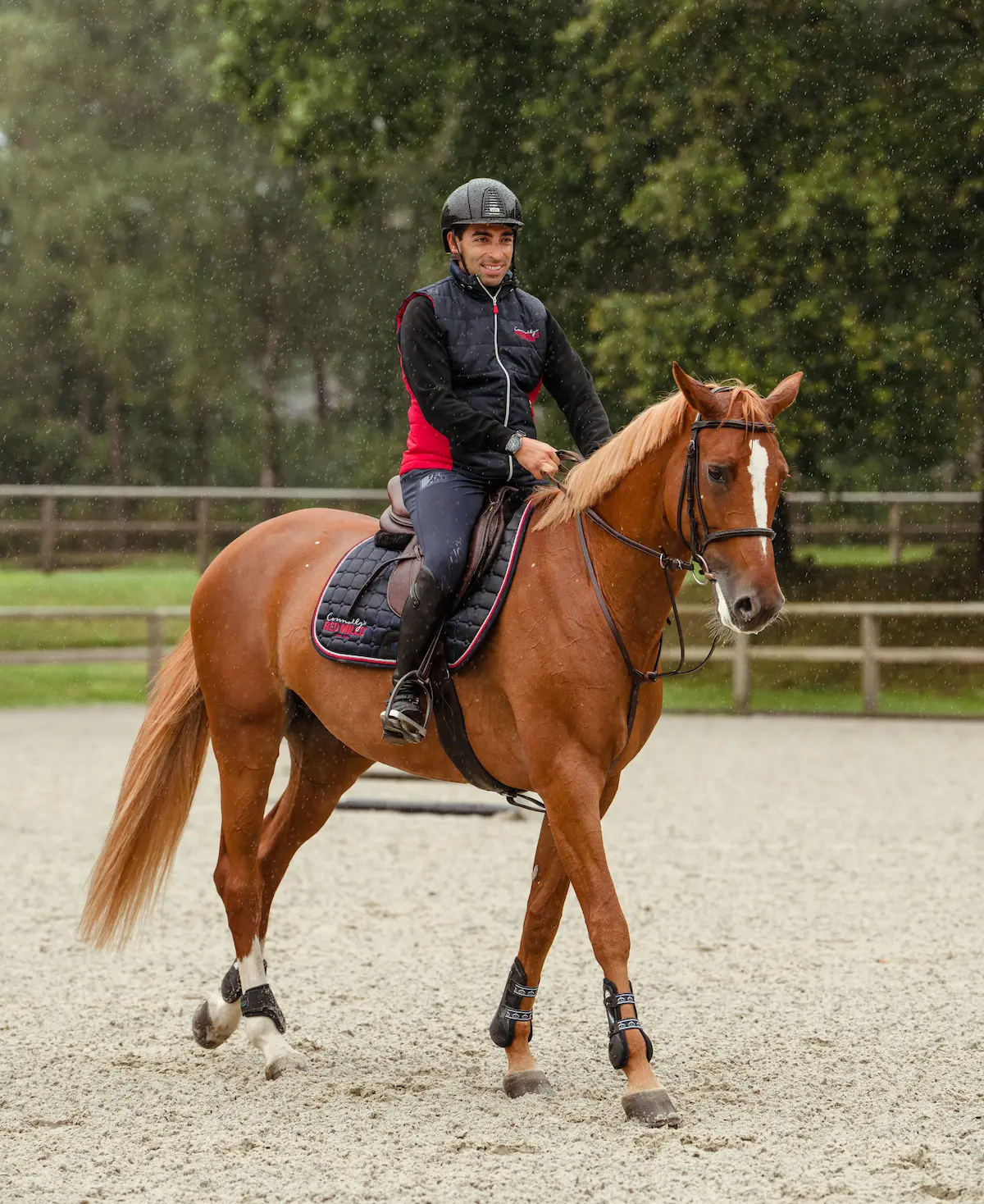

Senior Sales Consultant, Arab Markets
Based in Kuwait, Mohammad Agha serves as the Senior Sales Consultant for Connolly’s RED MILLS Group, representing a prestigious portfolio of products including Connolly’s RED MILLS horse feeds, Foran Equine Supplements, and Carr & Day & Martin Equine care products across the Arabian markets.