




 Where to Buy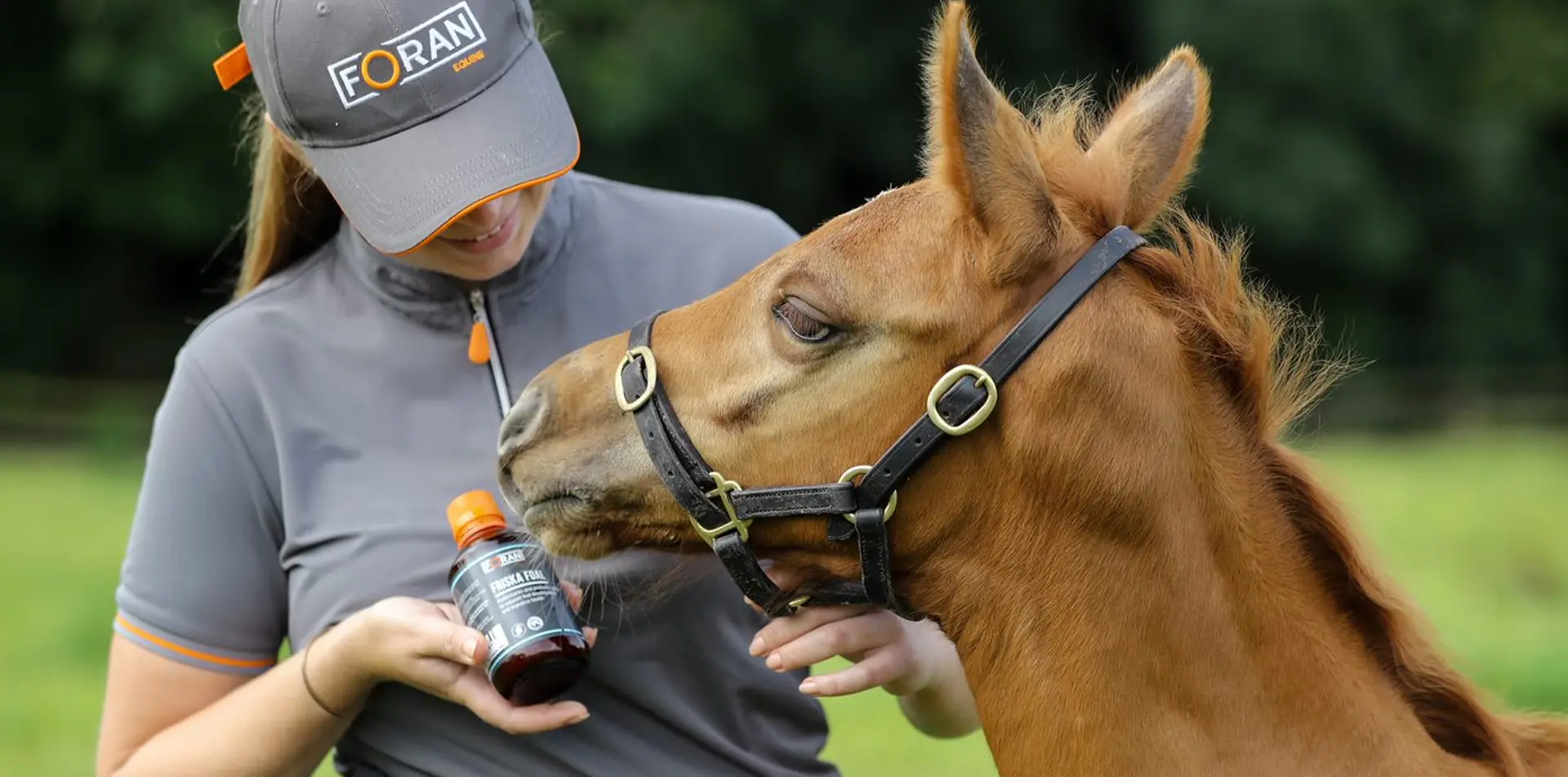
Expert Advice on Diarrhoea in very young horses
Diarrhoea is a common issue in very young horses, ranging from mild to life-threatening. Knowing when and how to respond can make a huge difference to outcomes.
When Should I Be Concerned About Foal Diarrhoea?
Any instance of diarrhoea warrants close monitoring, and if there are any concerns, seeking prompt veterinary advice is crucial. Young horses can deteriorate rapidly, so early intervention is best. The severity of the diarrhoea and the need for intensive treatment often depend on the young horse’s age, with the younger animals being the most vulnerable.

What Is Foal Heat Diarrhoea?
Foal heat diarrhoea is frequently observed in young horses aged 4–14 days old. During this period, affected animal’s often experience mild, self-limiting diarrhoea. The term “foal heat diarrhoea” is linked to the mare’s first heat cycle after giving birth, though it’s not actually connected to hormonal changes but rather alterations in the baby horse’s intestinal microbial flora (microbiome) and diet as they start consuming small amounts of forage; digesting fibre as well as milk.
Young horses with foal heat diarrhoea typically remain active and alert, maintain a normal appetite, exhibit normal vital signs, and pass semi-formed to watery, relatively odourless faeces. Close monitoring is vital to ensure the foal’s condition remains stable, but specific veterinary treatment is usually unnecessary. Application of a skin protectant around the perineum can prevent buttock scalding.
What Are Other Causes of Diarrhoea in Young Horses?
Diarrhoea in foals can also result from the following factors:
– Bacteria
– Viruses
– Incorrect nutrition
– Parasite
Bacterial Diarrhoea
Common causative bacteria include Salmonella, Escherichia coli, and Clostridium species. Rhodococcus equi, primarily a respiratory disease, can also lead to diarrhoea.
The severity and outcome of bacterial diarrhoea depend on the young horse’s age, immune status, the causative agents involved, and the extent of infection. Bacterial diarrhoea can be fatal, necessitating essential veterinary intervention and often intensive treatment, including antimicrobial therapy, correction of fluid loss and electrolyte imbalances, and diligent nursing care. Hospitalization is frequently required, especially for younger horses.
Diarrhoea is a prominent sign of neonatal septicaemia and may occur in severe, systemic bacterial infections. These foals require intensive nursing and treatment.
Viral Diarrhoea
Rotavirus is a common cause of infectious diarrhoea in very young horses. Those with rotavirus diarrhoea are usually severely ill, lethargic, and may not nurse. They pass profuse, watery, and foul-smelling diarrhoea, making them prone to dehydration. This condition typically affects horses aged 2 days to 6 months, and affected animals are highly contagious and should be isolated. Rotavirus diarrhoea can last up to seven days, although it may persist for several weeks. Treatment mainly involves supportive measures, such as intravenous fluid administration to prevent dehydration. Vaccinating the mare during pregnancy can help safeguard foals from rotavirus.
Nutritional Diarrhoea
Overfeeding or improper nutrition can lead to nutritional diarrhoea. This can occur when a baby reunites with the mare after a period of separation or in particularly greedy foals. When feeding orphan babies, it’s crucial to use an appropriate milk replacer rather than cow’s milk. Nutritional diarrhoea can also result from horses ingesting indigestible substances like roughage, sand, and dirt.
Parasites
Parasites, such as Strongyloides westeri, Parascaris equorum, and Cryptosporidium species, have been associated with young horse diarrhoea. Proper pasture rotation and a well-structured deworming regimen are essential.
What to Do if a Young Horse Has Diarrhoea
Monitor the animal closely, and if you have concerns, contact your veterinarian promptly. Quick deterioration is common in young animals.
In all cases of diarrhoea, maintaining excellent hygiene is crucial, especially in stud environments. Isolation is recommended, designating someone responsible for the animal, and minimizing unnecessary foot traffic. Those in contact with a young horse suffering from diarrhoea should wear disposable gloves and washable boots and use a disinfectant footbath outside the stable door. After the animal has fully recovered and can rejoin the herd, disinfecting the stable thoroughly with an appropriate disinfectant is essential.
Diarrhoea leads to increased fluid and electrolyte loss from the body. To prevent dehydration, it’s vital to reduce diarrhoea and replace lost fluids and electrolytes. In mild cases where the animal remains lively and continues to nurse, ongoing milk and water intake can help replace lost fluids. Atta-Sorb gel, easily administered, is formulated to support young horses during episodes of digestive upset. It contains pectin and attapulgite, both of which help firm up stool and attapulgite specifically binds toxins and harmful bacteria in the hindgut. Atta-Sorb also includes sodium, chloride, and potassium to support hydration.
For those with infectious diarrhoea, they should always be under veterinary supervision and receive necessary treatment. Atta-Sorb gel may be useful for supporting those during these times but consult your vet before use.
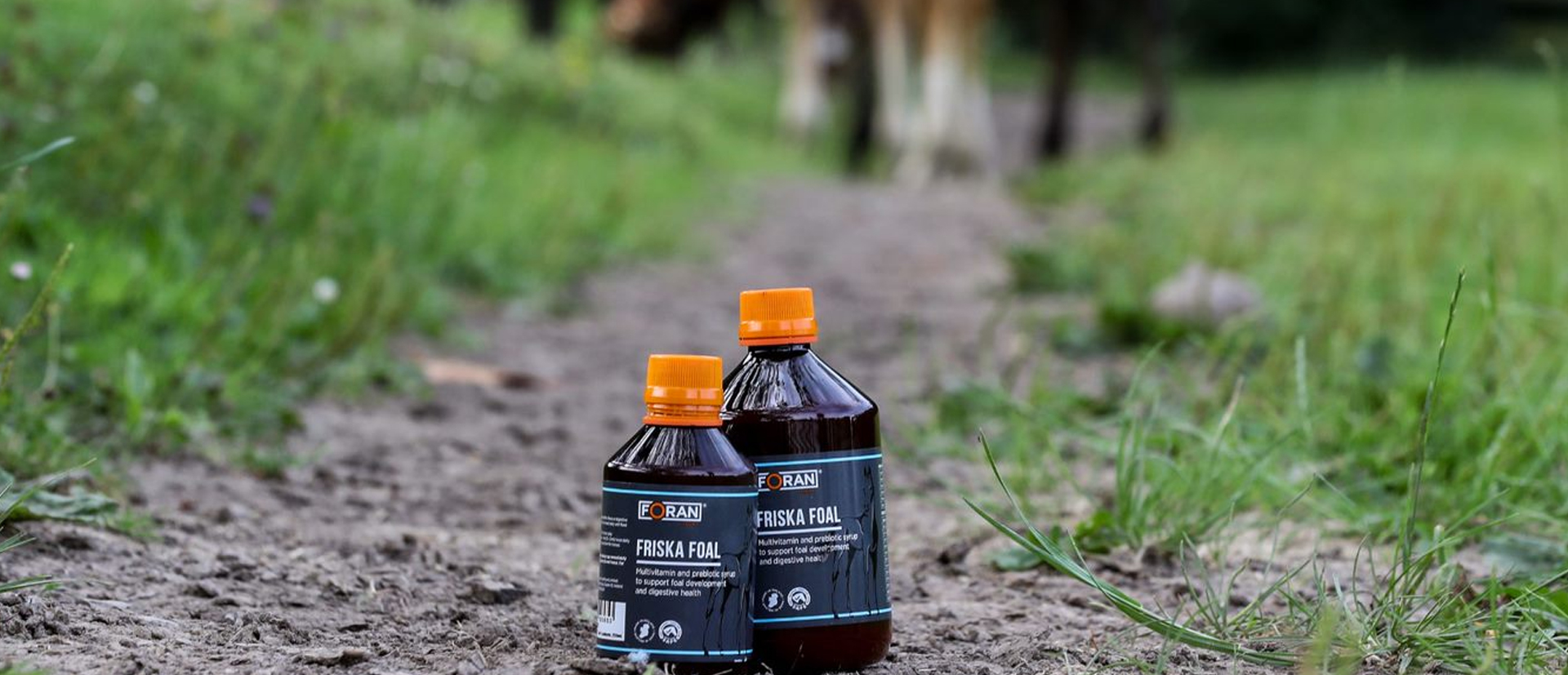
Friska Foal : Our foal supplement can aid in the recovery of young horses experiencing digestive upset. It contains essential vitamins and a prebiotic to bolster overall, immune, and digestive health.
Young horses with severe diarrhoea, those not drinking, or with elevated temperatures should be urgently examined by a veterinary surgeon. Keep in mind that they can deteriorate more rapidly than older horses.
Can Diarrhoea in Newborn Horses Be Prevented?
While you can’t prevent young horse getting diarrhoea, there are steps to mitigate the risk of severe causes. Ensuring all horses receive a sufficient quantity of colostrum is paramount for bolstering their immune system. Those who miss out on colostrum are more vulnerable to infections. For in-depth information on feeding young horses, consider reading our guide here.
During the breeding season, it is crucial to maintain vigilant monitoring of all newborn horses to detect cases of diarrhoea early. This proactive approach allows for timely intervention. Additionally, maintaining stringent hygiene practices throughout the season is essential to minimize the risk of infectious causes of diarrhoea.
If you require guidance on supplements to support your mare and newborn horse during the breeding season, please do not hesitate to reach out to our team of equine experts.
Related Nutritional Articles

Best Supplements for the Dressage Horse
Best Off-Season Supplements for Horses
Your Nutri-Gard Questions Answered
Contact our sales team via WhatsApp or email


Mohammad Agha
Senior Sales Consultant, Arab Markets
Based in Kuwait, Mohammad Agha serves as the Senior Sales Consultant for Connolly’s RED MILLS Group, representing a prestigious portfolio of products including Connolly’s RED MILLS horse feeds, Foran Equine Supplements, and Carr & Day & Martin Equine care products across the Arabian markets.