




 Where to Buy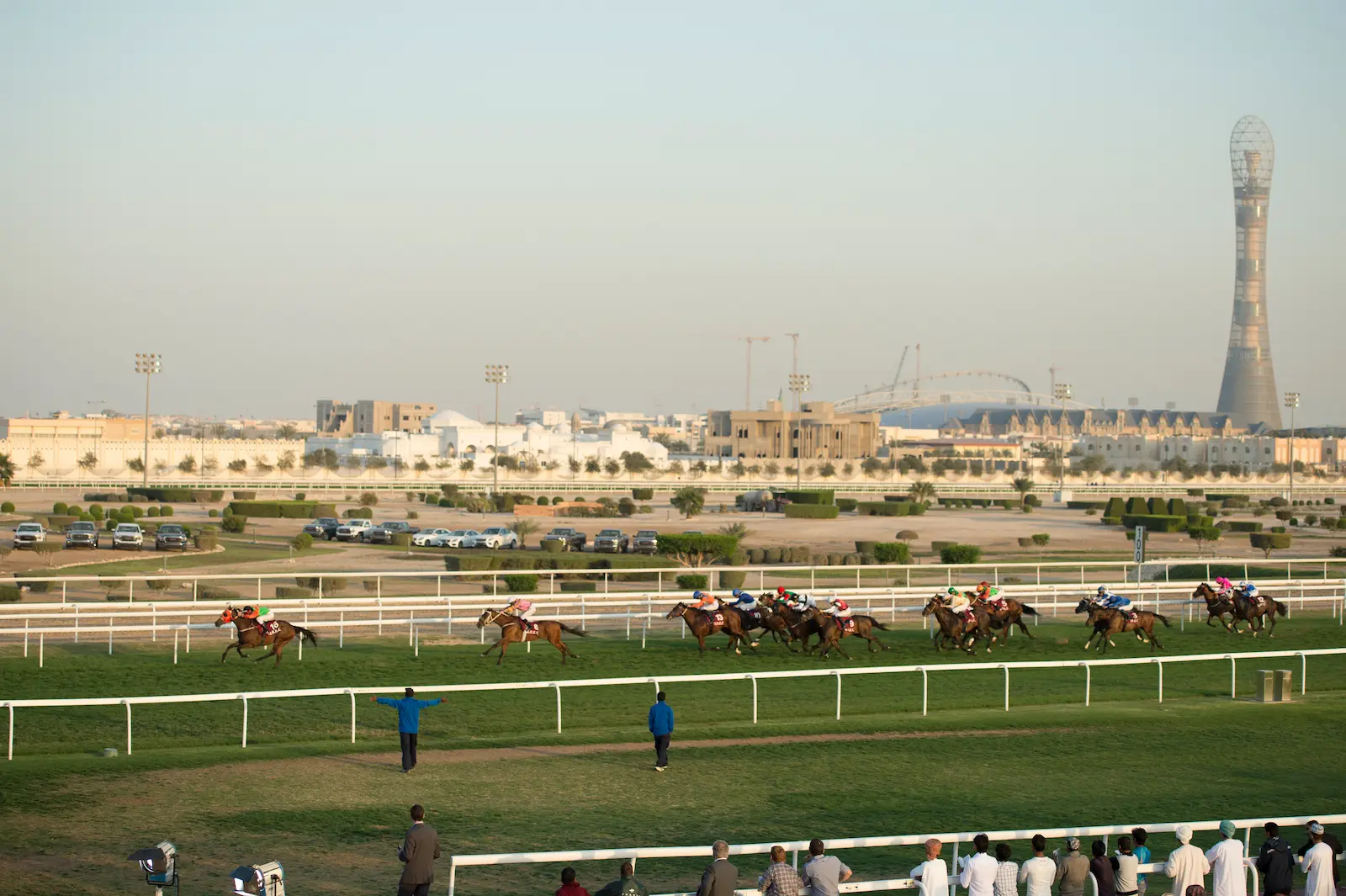
Exploring Exercise Induced Bleeding in Horses
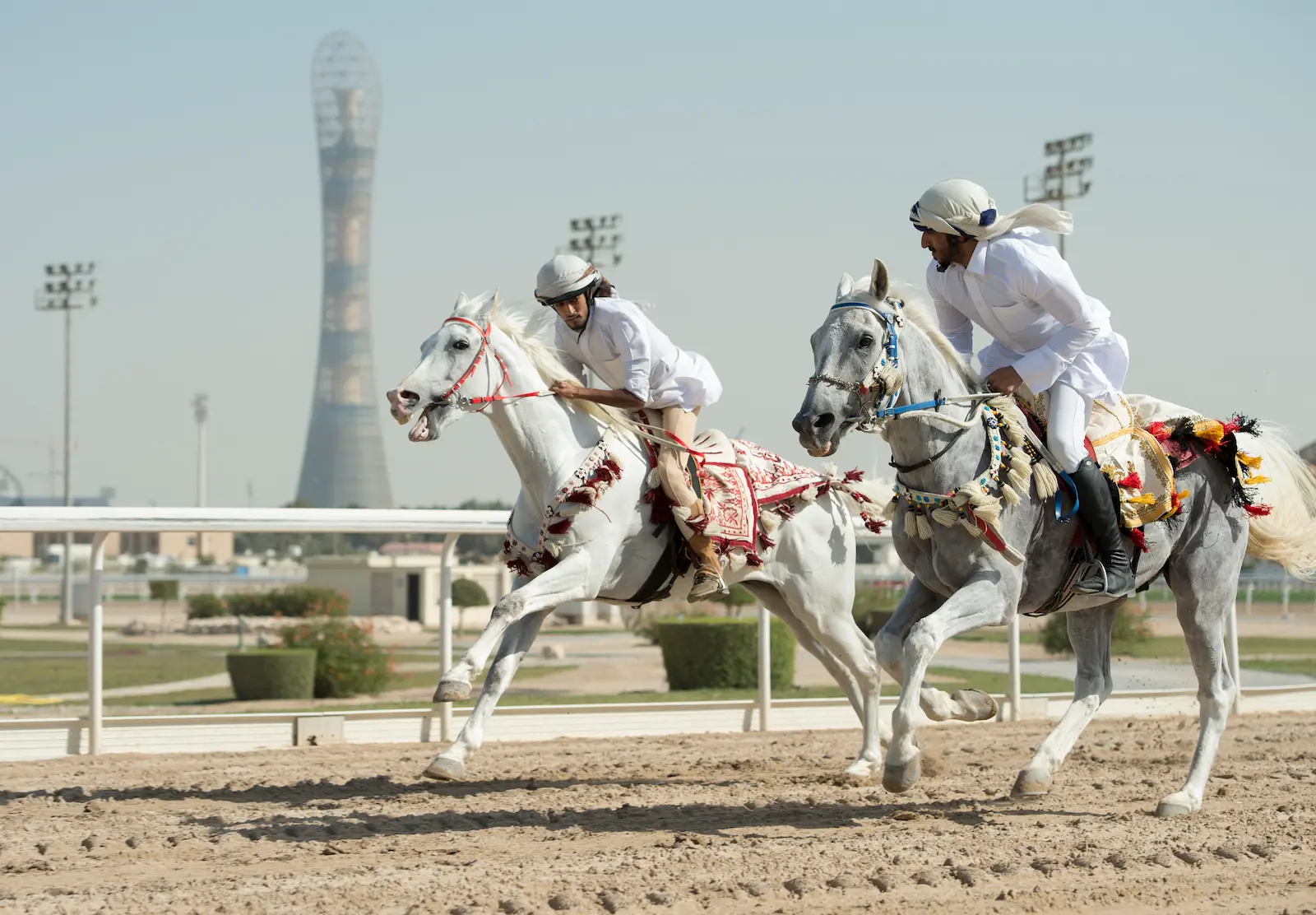
Exercise-induced pulmonary haemorrhage (EIPH), commonly known as “bleeding,” is a condition that affects horses during high-intensity exercise, like racing and endurance. Endurance racing is quite popular in the Middle East for example therefore a real concern for horse trainers & owners. It involves the occurrence of bleeding in the lungs, specifically in the small blood vessels within the lung tissue. EIPH is often not immediately apparent, and its diagnosis typically requires endoscopic examination of the horse’s airways after exercise. In some cases, a small percentage of horses may exhibit bleeding at the nostrils after exercise, a condition known as epistaxis.
Signs and symptoms of EIPH may include:
– Poor athletic performance: Horses may not perform up to their potential during exercise.
– Stopping during exercise: The horse may abruptly halt during intense activity.
– Frequent swallowing and coughing: This can occur in the immediate post-exercise recovery period.
– Nosebleeds (epistaxis): Some horses may exhibit visible bleeding from the nostrils after exercise.
– Sudden death during exercise: In rare cases, EIPH can lead to sudden, catastrophic events.
To definitively diagnose EIPH, endoscopy is typically required, which involves inserting a thin, flexible tube with a camera into the horse’s airways. In cases where no blood is visible in the trachea, EIPH may still have occurred in the small airways, and this can be confirmed through a broncho-alveolar lavage (BAL), also known as a “lung wash.” A grading system from 0 to 4 is used to determine the severity of EIPH in affected horses.
The exact causes of EIPH are not fully understood, but several factors have been proposed, including:
– High pulmonary vascular pressure.
– Increased negative airway pressure.
– Upper airway obstruction.
– Mechanical trauma.
– Lower airway obstruction.
– Airway inflammation.
Certain risk factors can increase the likelihood of EIPH, including:
– Engaging in higher-intensity exercise.
– Racing activities rather than training.
– Accumulated years spent racing.
– Increased age of the horse.
– Participation in jump racing or endurance racing.
– Male horses.
– Ambient temperatures lower than 20°C.
– Exercise on hard ground.
– Lower airway inflammation.
Managing EIPH involves several approaches, including:
Rest: Providing the horse with adequate rest to allow the lung tissue to heal.
Medications: Some medications, such as furosemide (a diuretic), have been used to manage EIPH, but their use may be restricted by racing regulations in certain regions.
Training and race schedule adjustments: Modifying training and racing schedules to limit repeated episodes of EIPH.
Environment optimization: Creating a healthy environment for the horse’s airways, especially if lower airway inflammation is detected.
Exercise and conditioning programs: Gradually building the horse’s fitness, focusing on stamina and strength before intensifying speed and intensity, to enhance the capillary network and blood distribution.
Nutritional supplements: Equine Supplements high in Vitamin C, Vitamin K, bioflavonoids, and omega-3 fatty acids may help support horses with EIPH.
In particular, a equine supplement such as Vitamin C for horses is important for collagen construction and blood vessel maintenance, while Vitamin K plays a crucial role in the blood clotting process. Bioflavonoids are closely linked to the functions of Vitamin C and help maintain the strength and function of capillaries. Omega-3 fatty acids support healthy red blood cell and tissue production.
Nutritional supplements like Zosfor, our equine respiratory supplement which includes Vitamin C & K for horses and Kentucky Karron Oil, which includes Omega 3 fatty acids for horses are recommended to support the overall health of horses affected by EIPH.
It’s important to note that EIPH is likely to be progressive, with repeated episodes potentially leading to permanent changes in the lungs. Therefore, management and supportive measures are critical in addressing this condition.

References:
1.McGilvray TA, Cardwell JM. Training related risk factors for exercise induced pulmonary haemorrhage in British National Hunt racehorses. Equine Vet J. 2022 Mar;54(2):283-289. doi: 10.1111/evj.13448. Epub 2021 May 9. PMID: 33843093.
2.Hinchcliff, Kenneth Couetil, Laurent Knight, Peter Morley, Paul Robinson, N.E. Sweeney, C.R. Van Erck, Emmanuelle. (2015). Exercise Induced Pulmonary Hemorrhage in Horses: American College of Veterinary Internal Medicine Consensus Statement. Journal of Veterinary Internal Medicine. 29. 10.1111/jvim.12593
Related Nutritional Articles

Best Supplements for the Dressage Horse
Best Off-Season Supplements for Horses
Your Nutri-Gard Questions Answered
Contact our sales team via WhatsApp or email


Mohammad Agha
Senior Sales Consultant, Arab Markets
Based in Kuwait, Mohammad Agha serves as the Senior Sales Consultant for Connolly’s RED MILLS Group, representing a prestigious portfolio of products including Connolly’s RED MILLS horse feeds, Foran Equine Supplements, and Carr & Day & Martin Equine care products across the Arabian markets.