

 Where to Buy
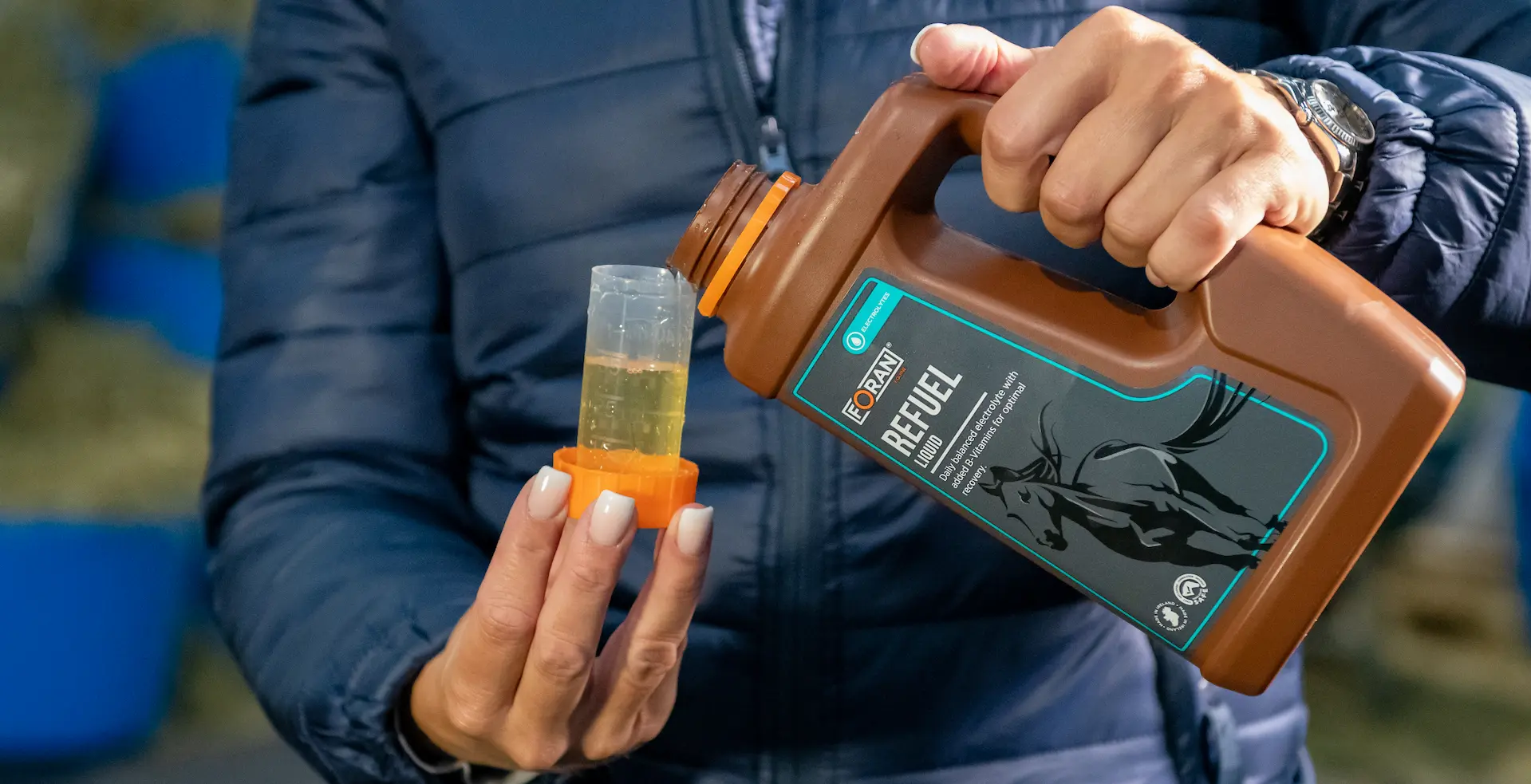
Equi-Salts
Balanced Electrolytes to support recovery
View Product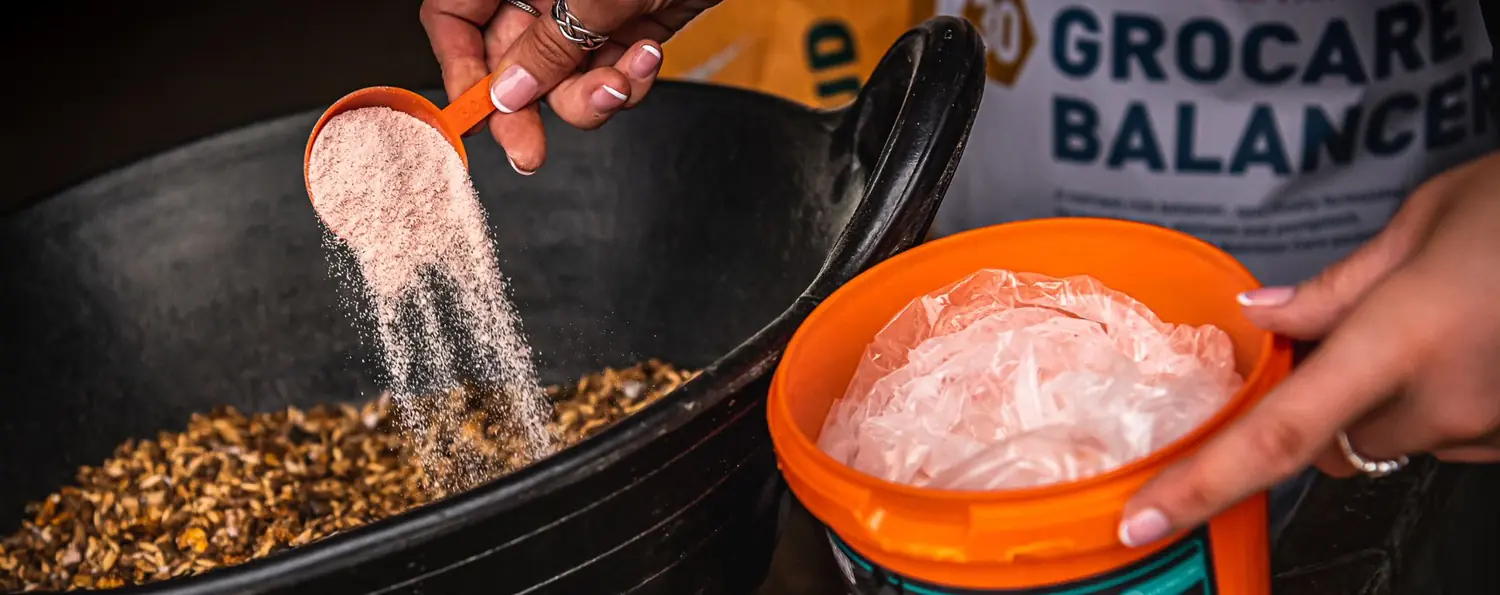
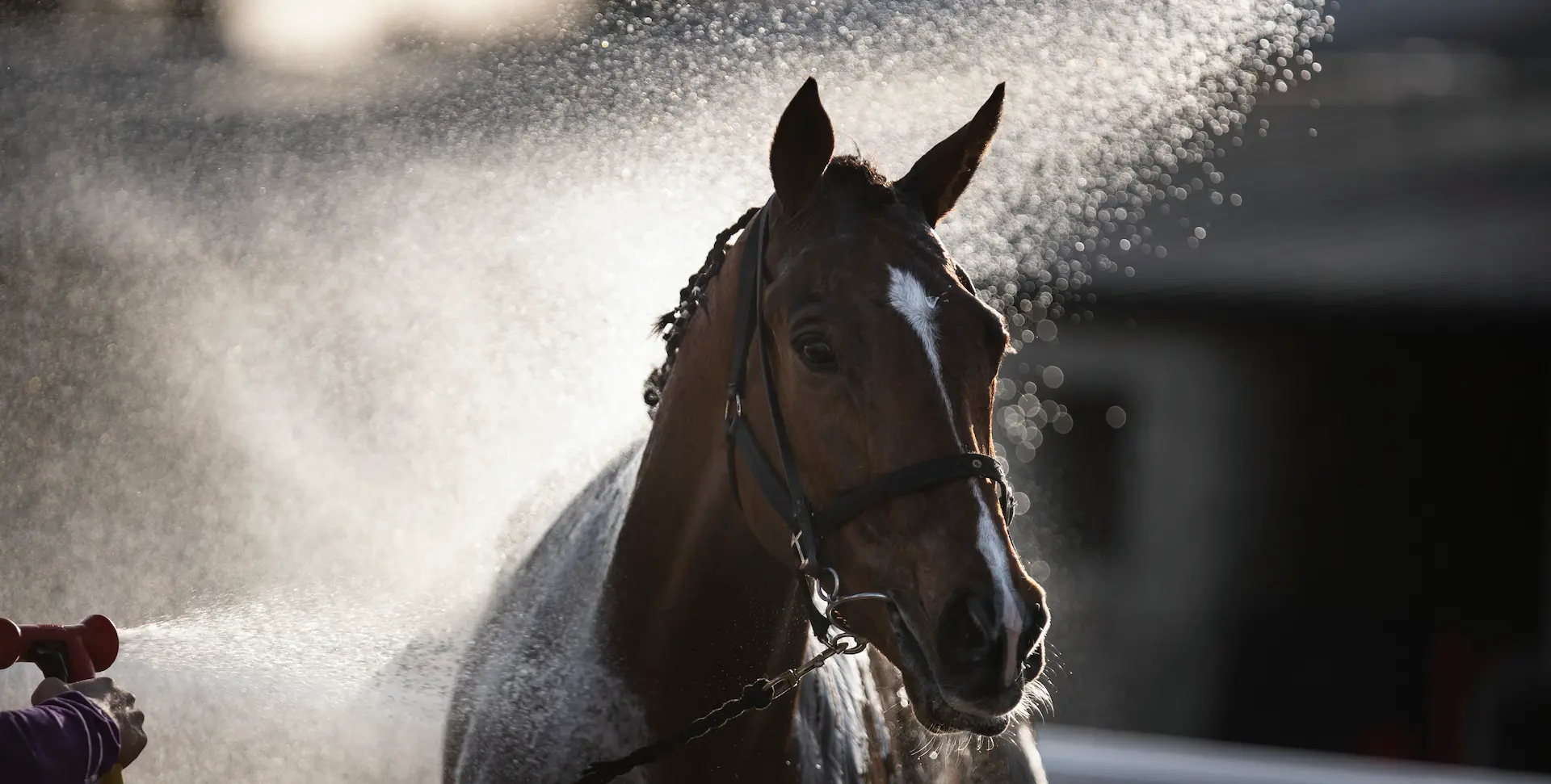
Horses lose essential microminerals (salts), known as electrolytes, through sweating. These electrolytes are crucial for various physiological processes in the body, particularly in enabling muscle function. Just like in humans, sweating in horses helps regulate body temperature, preventing overheating and potential shutdown. Exercise, especially in hot weather, induces significant sweating in horses, leading to the loss of more electrolytes. After the horse dries off, a gritty residue can often be felt on the coat, which is the remaining electrolytes after the water has evaporated. Notably, the concentration of electrolytes in horse sweat is higher than in their blood, emphasizing the importance of replenishing both water and lost electrolytes. Maintaining proper hydration is essential for performance and recovery.
Electrolytes play a vital role in maintaining the body’s acid-base balance and regulating osmotic equilibrium in bodily fluids. A reduction in electrolytes can compromise the body’s ability to regulate fluid levels within and around cells. This fluid regulation is a complex process, relying on various factors, with electrolytes being a critical component. Electrolytes are necessary for functions such as nerve transmission, muscle contractions, digestion, nutrient absorption, and brain function. They are integral to all chemical reactions and pathways that sustain life. The major electrolytes include sodium, chloride, and potassium, while smaller amounts of calcium and magnesium are also essential.
A horse’s regular diet typically lacks sufficient electrolytes, making equine electrolyte supplements always necessary, especially for those engaged in heavy work or competition, particularly in the hot climate of the Middle East. Hay & commercial feeds contain electrolytes, usually enough for normal horses that are not subjected to prolonged sweating or intensive exercise. Electrolyte supplements for horses are formulated to provide these essential minerals in the ratios that horses require, not just sodium and chloride. Therefore, using an electrolyte product designed for horses is more effective than basic table salt.
In essence, horses require extra electrolytes when they experience extended periods of sweating. This includes scenarios such as racehorses or endurance horses post-competition, and especially endurance horses that sweat for prolonged durations. Equine electrolytes are particularly crucial in bigger competitions or festivals that horses attend for a few days in a row where they sweat a lot, and their hydration status can suffer. Transportation, especially in warm weather, and even standing in a horsebox on a hot day can lead to sweating that necessitates additional electrolytes. Horses with Cushing’s disease may experience profuse sweating during warm weather, coupled with excessive urination, both of which can result in electrolyte and water loss, requiring supplementation, even in the absence of exercise.
Dehydration can really affect performance and horses can feel sluggish and are slower to recover. The composition of your horse’s diet can have a significant effect on water intake, with stabled high dry matter hay fed horses requiring a lot higher water intake. These stabled horses can struggle to consume the optimal amounts of fluids, especially while travelling/changing environments. Additionally, unlike humans, equine sweat is hypertonic to plasma, meaning it contains a lot more electrolytes. Hence, the lather you see on a sweating horse’s skin. Water and electrolyte loss through sweating needs to be replaced. Horses sweat a lot more than humans and their sweat also contains a lot more potassium and other ions as well as sodium & chloride.
Well formulated electrolyte supplements will contain 20 – 25% sodium, 43 – 48% chloride, 10 – 12% potassium and smaller amounts of magnesium and calcium (normally 1 to 2%). These electrolytes need to be replaced in order for the horse to perform at its best. Depending on your horses’ work/sweat rate and the ambient temperature, their electrolyte requirements can vary from 20-80 grammes per day.
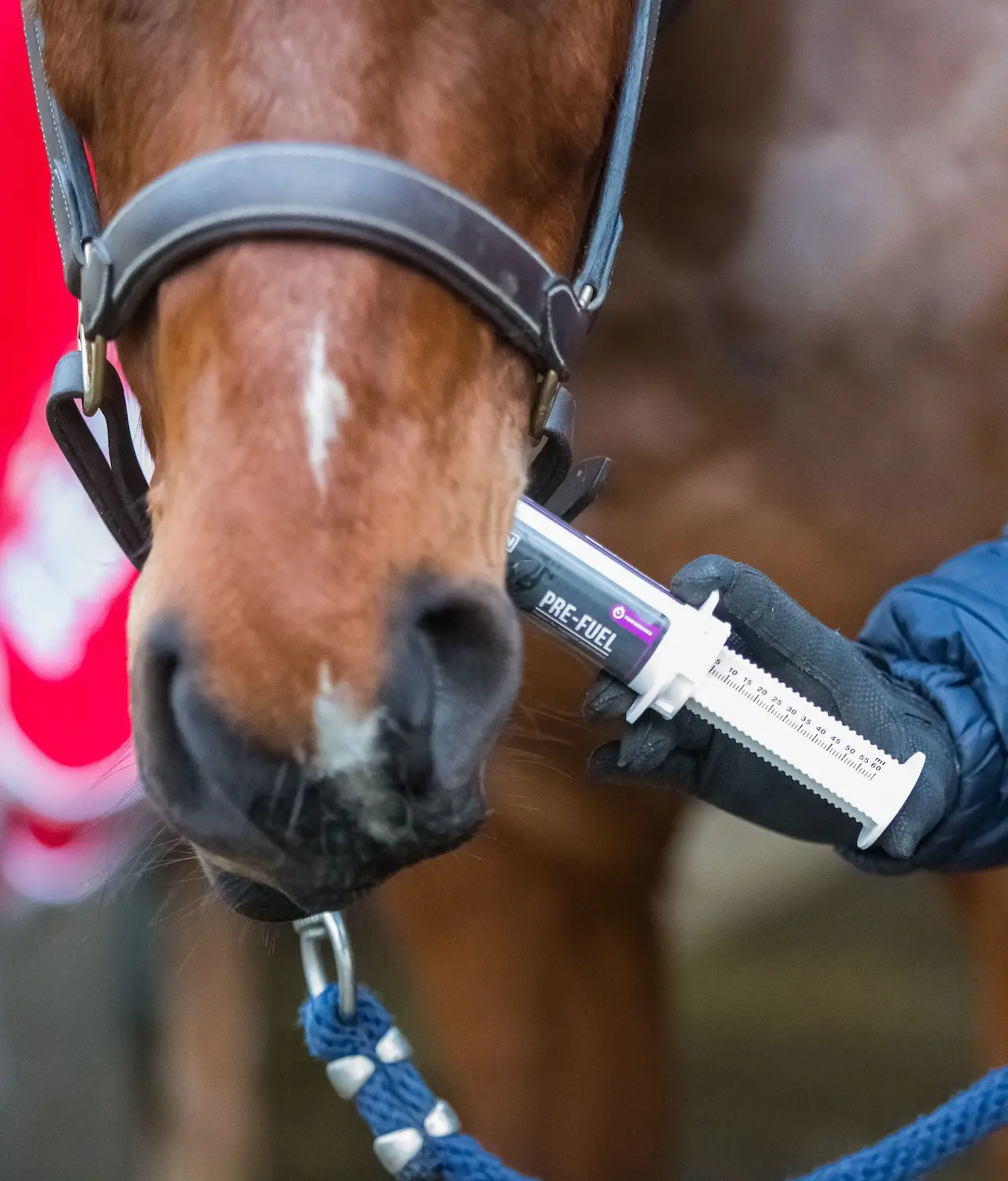
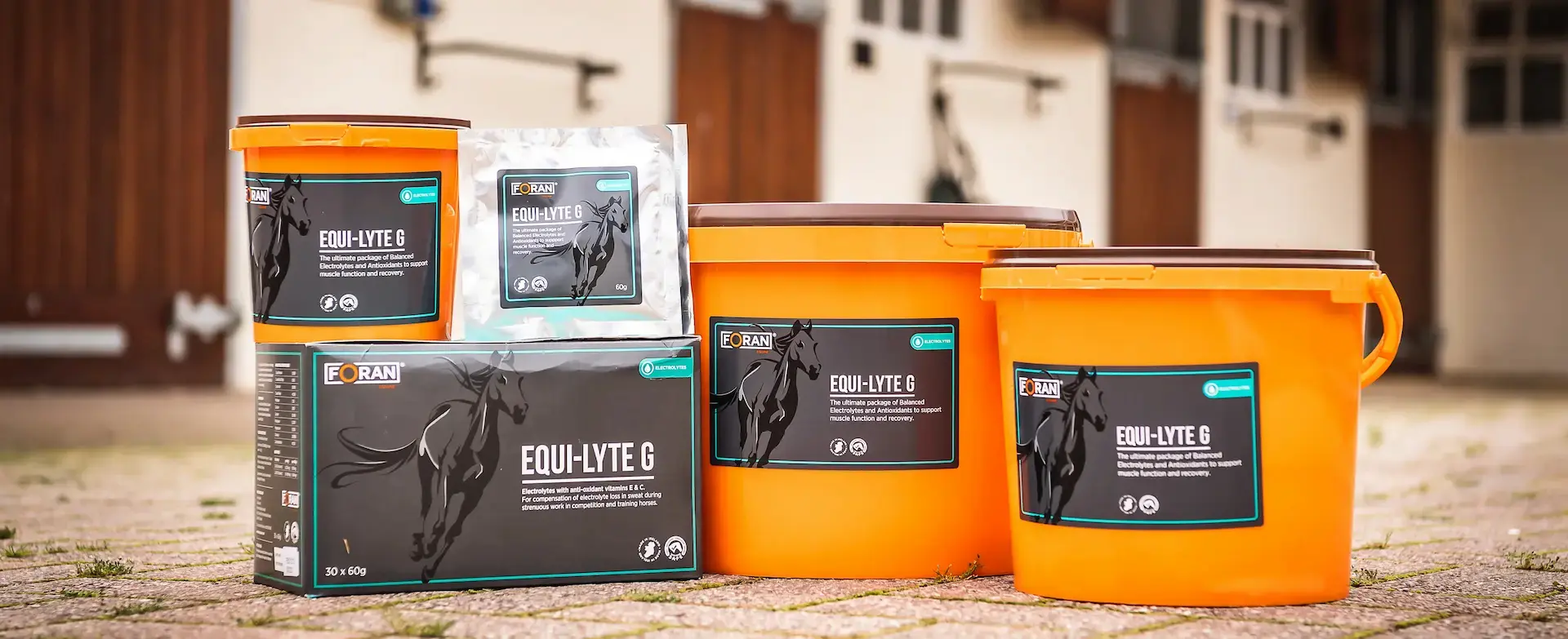
Electrolytes for horses come in various forms, including powders, liquids, and gels:
It’s crucial always to provide access to water when administering electrolytes. Never give electrolytes to a horse without water access, as it can lead to further dehydration. Additionally, avoid giving electrolytes to a distressed horse or one that is not recovering well after exercise without seeking professional advice.
Providing electrolytes daily to horses that require them ensures that any electrolytes lost during training are replaced. This practice may improve post-exercise recovery and overall performance. For horses that refuse water after competition, adding apple juice to the water may entice them to drink, allowing for the administration of an electrolyte supplement. Mixing with a mash can also be a useful way of getting the desired intake of electrolytes on board.
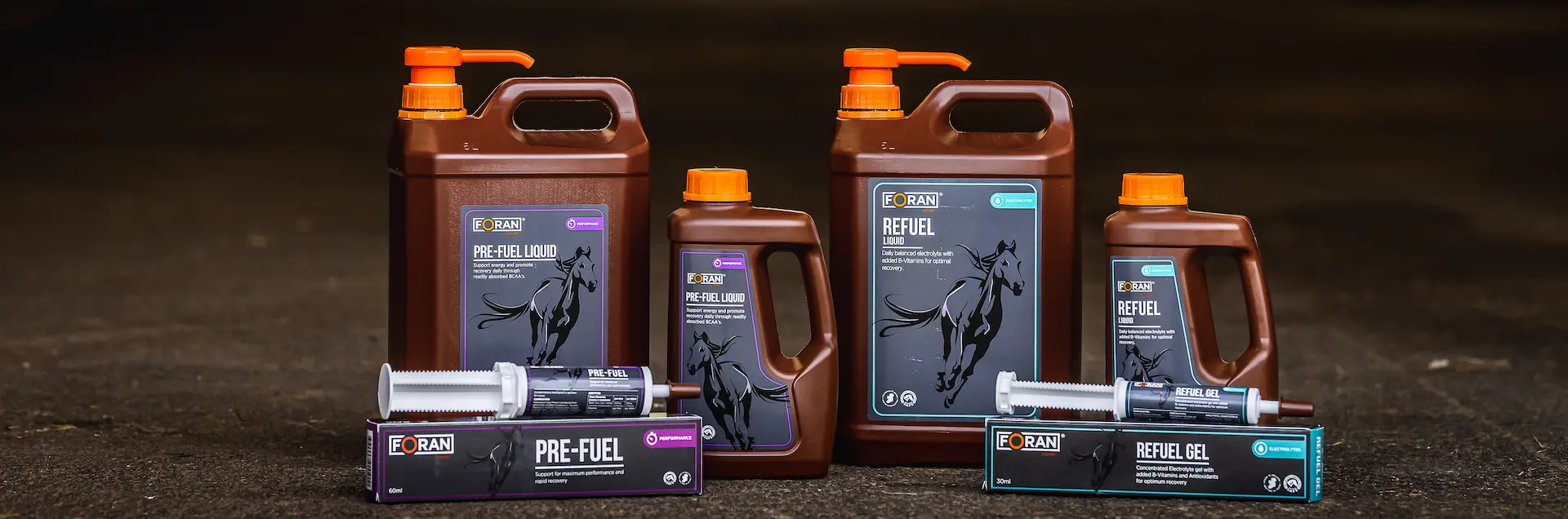
By preventing dehydration, we can avoid a lot of health problems in our equine athletes (such as colic, tying up, etc.) as well as optimise performance. Electrolytes are a key supplement in every performance horse’s diet and Foran’s electrolytes have a unique and superior formulation.
For further guidance on electrolytes, feel free to contact our expert team.
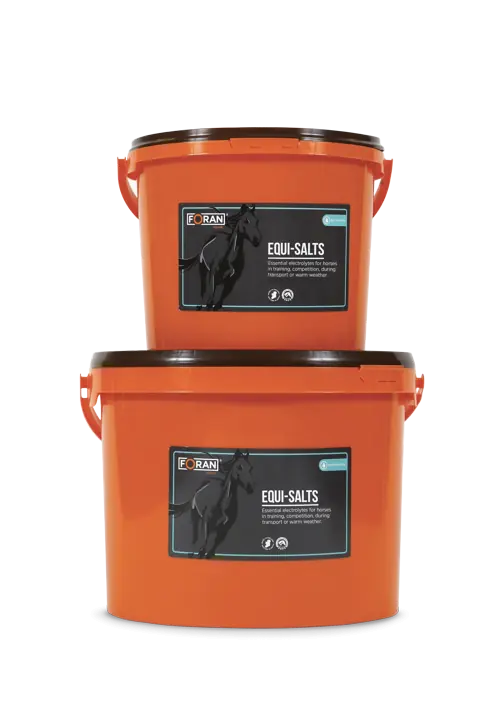
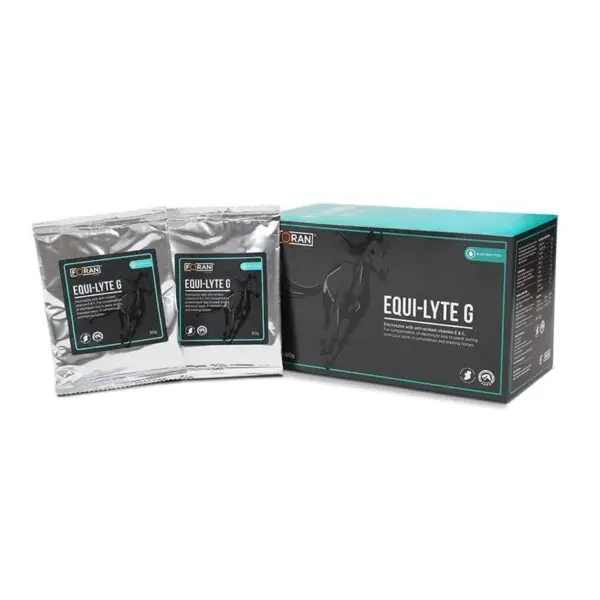
The ultimate package of balanced electrolytes and antioxidants to support muscle function and recovery
View Product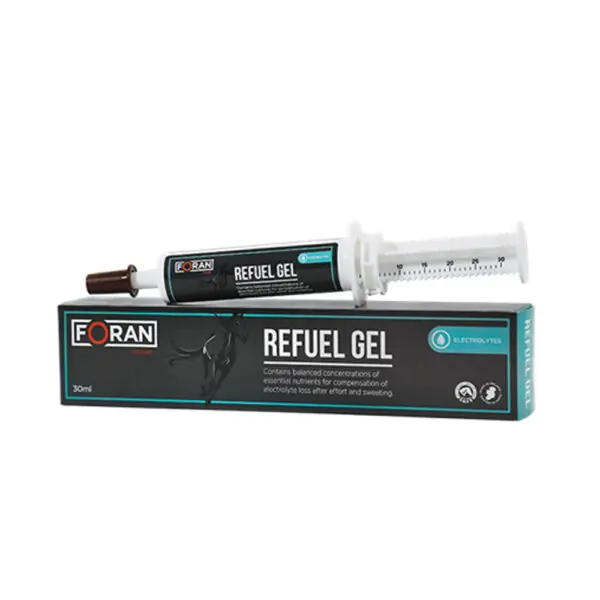
Concentrated electrolyte gel with added B vitamins and antioxidants for optimum recovery.
View Product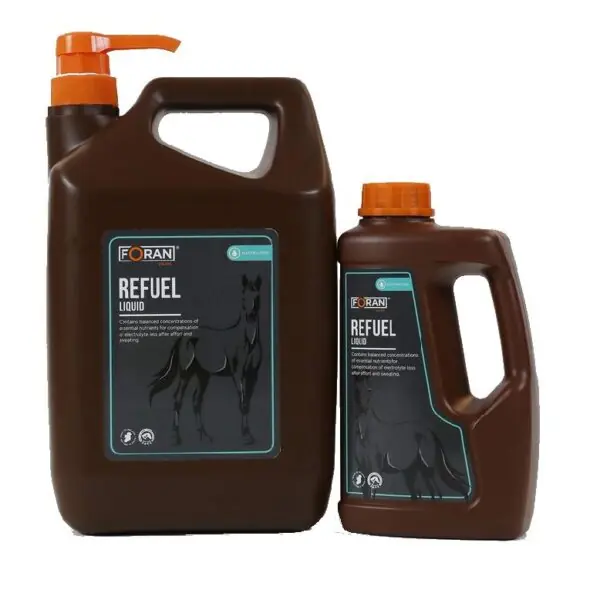


Senior Sales Consultant, Arab Markets
Based in Kuwait, Mohammad Agha serves as the Senior Sales Consultant for Connolly’s RED MILLS Group, representing a prestigious portfolio of products including Connolly’s RED MILLS horse feeds, Foran Equine Supplements, and Carr & Day & Martin Equine care products across the Arabian markets.