

 Where to Buy
Arnica & Aloe Vera Leg Gel
Cooling and soothing gel with anica and aloe vera
View Product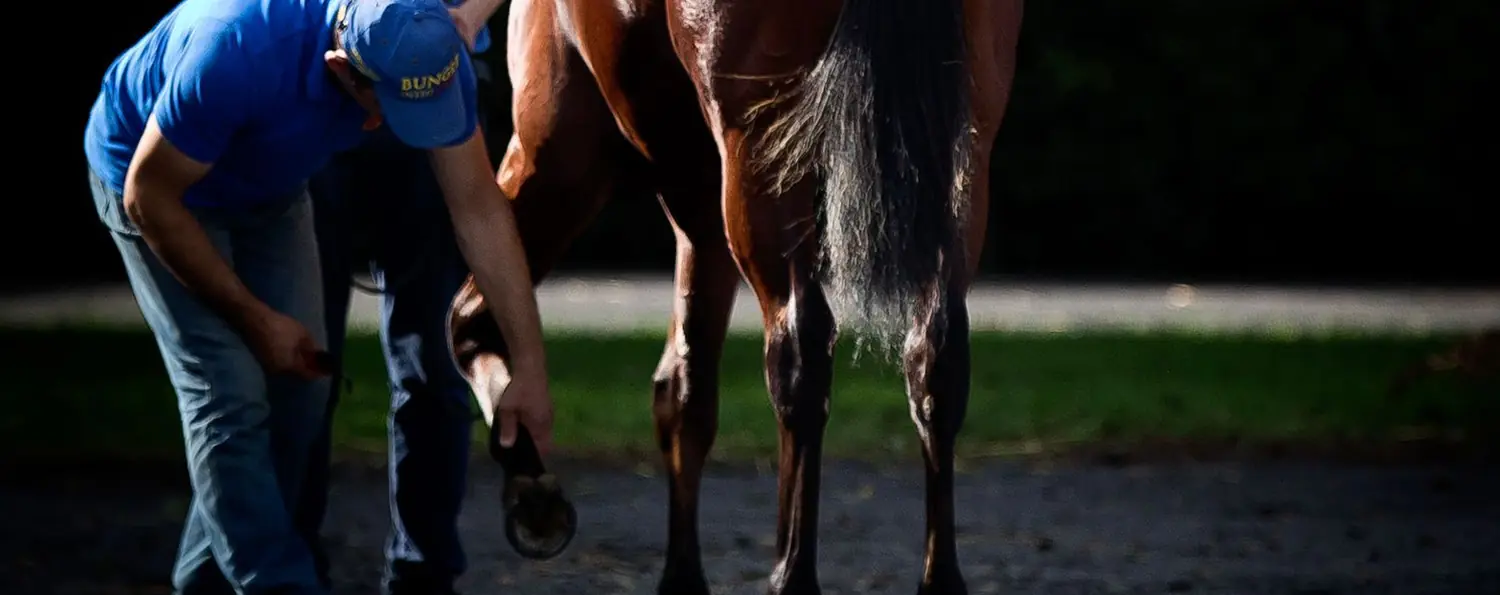
Sore shins, also known as bucked shins in horses in some regions, is a condition that frequently affects horses during their two-year-old year of training, especially in racehorses. While it can occur in older horses, it’s more common in the early stages of a racehorse’s career. Sore shins in horses involve inflammation of the periosteum covering the front of the cannon bone, primarily caused by micro-fractures in the cannon bone itself.
Horses expected to race as two-year-olds are typically broken in at the end of their yearling year and lightly ridden. Even though they may look physically mature, their skeletal development is ongoing, and their bones are not as strong as those of older horses. Sore shins develop due to the load-bearing stress on the forelimbs.
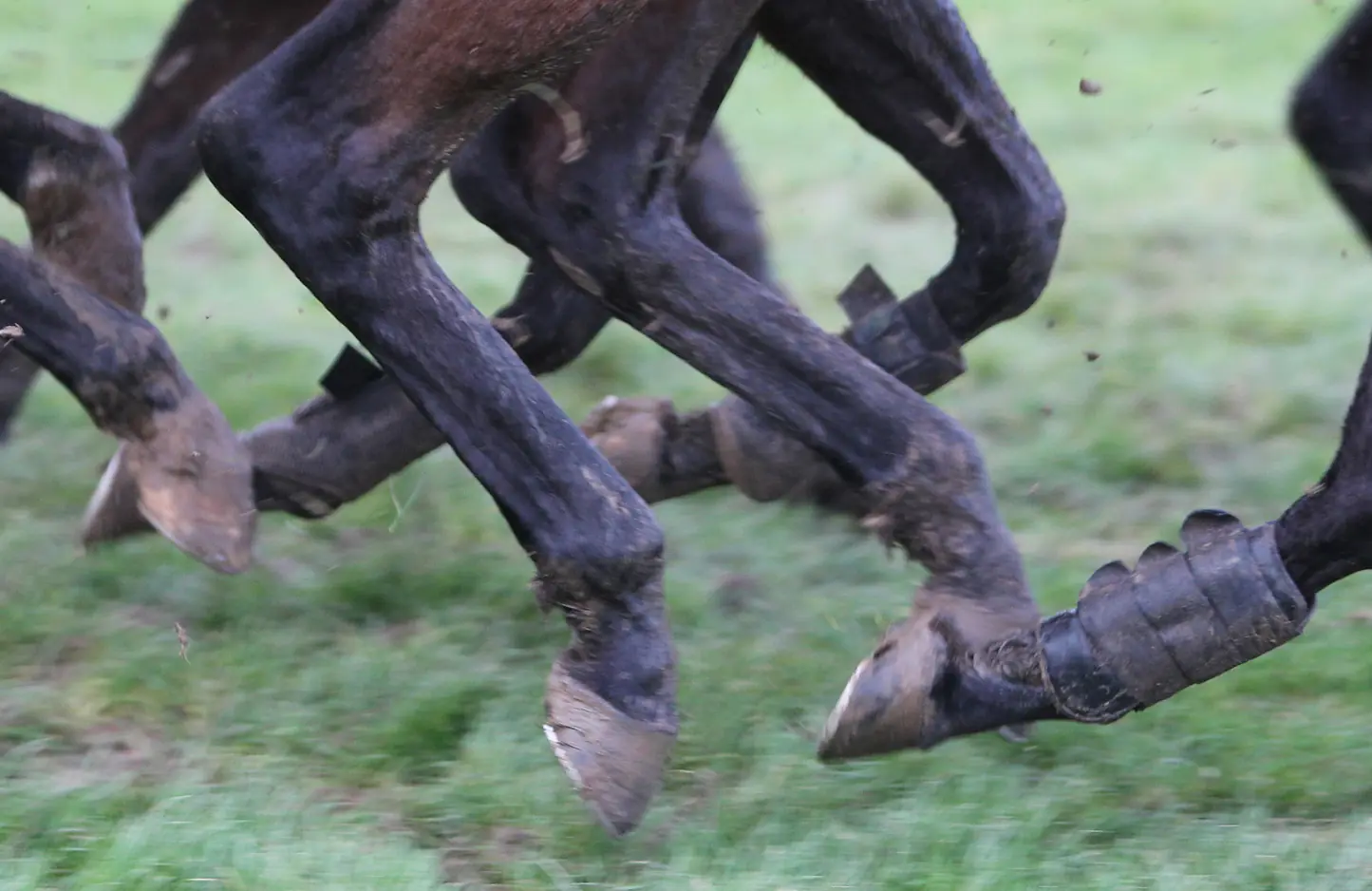
While it’s possible to have sore shins in the hindlimbs, it’s less common. The excessive compression on the forelimbs results in tiny cracks in the cannon bone, and the bone responds by laying down new layers of bone in the most stressed areas (periosteal new bone formation). This process leads to inflammation and pain in the periosteum, the fibrous membrane covering the bone.
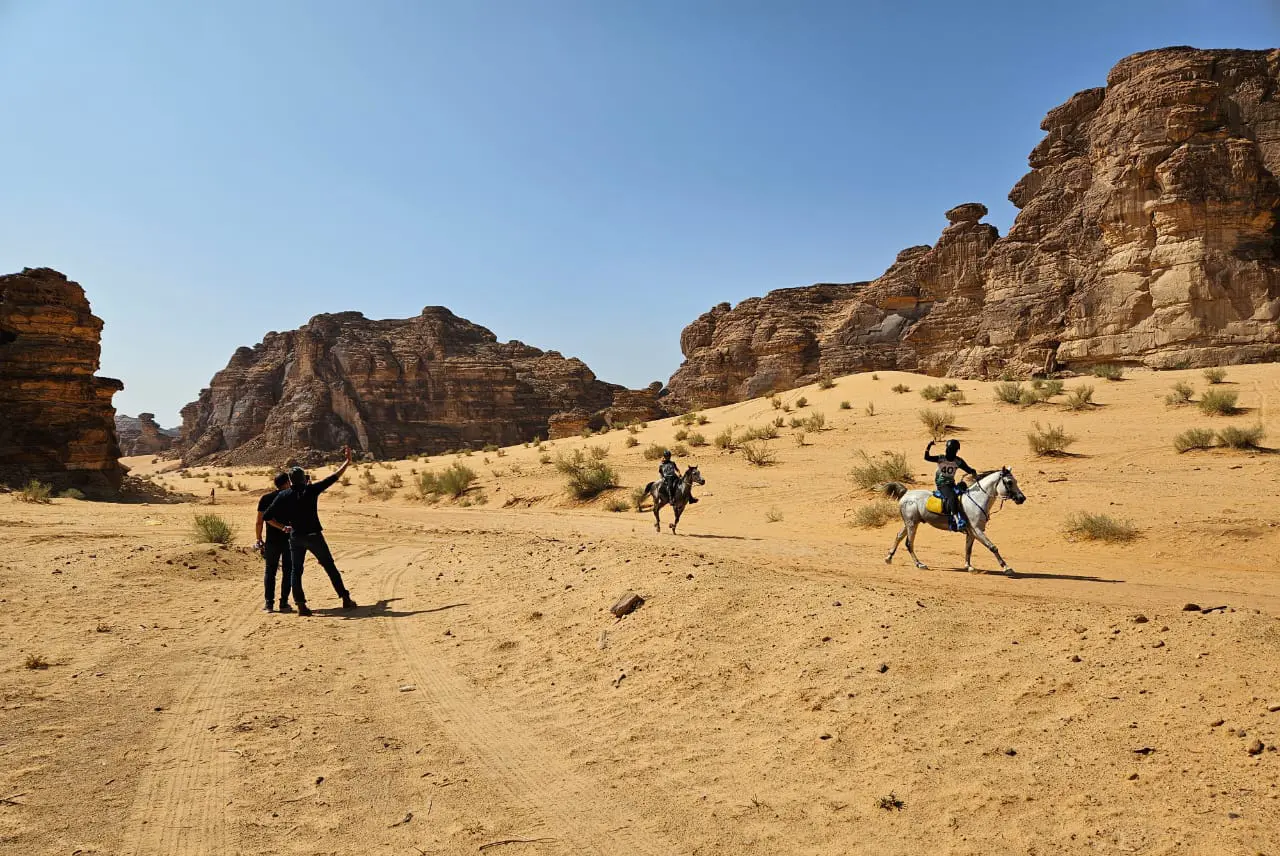
It’s crucial to adapt the training plan when sore shins occur, allowing time for the bone to remodel and strengthen. Continuing with the same training regimen can lead to further complications, including more layers of bone, increased inflammation, and pain. Prolonged galloping with sore shins can even lead to catastrophic fractures of the cannon bone. While some people may attribute sore shins to the training surface, like the hard surfaces of the Middle East, it’s not the sole factor, as even horses on excellent surfaces can develop this problem.
Horses expected to race as two-year-old’s are typically broken in at the end of their yearling year and lightly ridden. Even though they may look physically mature, their skeletal development is ongoing, and their bones are not as strong as those of older horses.
Sore shins develop due to the load-bearing stress on the forelimbs. While it’s possible to have sore shins in the hindlimbs, it’s less common. The excessive compression on the forelimbs results in tiny cracks in the cannon bone, and the bone responds by laying down new layers of bone in the most stressed areas (periosteal new bone formation).This process leads to inflammation and pain in the periosteum, the fibrous membrane covering the bone.
It’s crucial to adapt the training plan when sore shins occur, allowing time for the bone to remodel and strengthen. Continuing with the same training regimen can lead to further complications, including more layers of bone, increased inflammation, and pain.
Prolonged galloping with sore shins can even lead to catastrophic fractures of the cannon bone. While some people may attribute sore shins to the training surface, like the hard surfaces of the Middle East, it’s not the sole factor, as even horses on excellent surfaces can develop this problem.

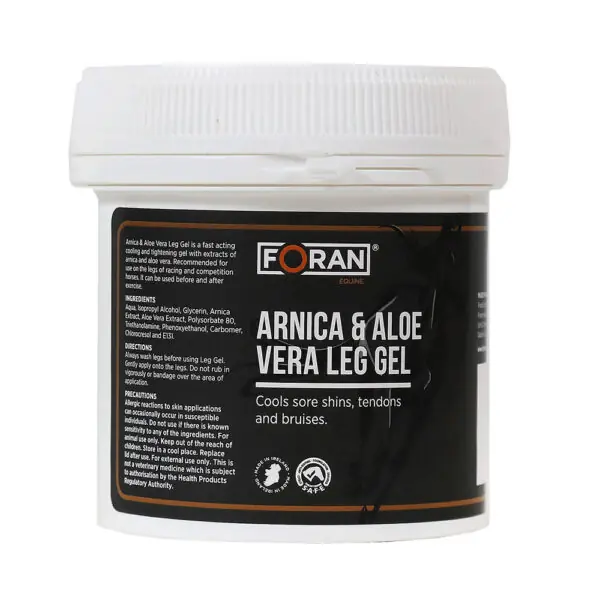
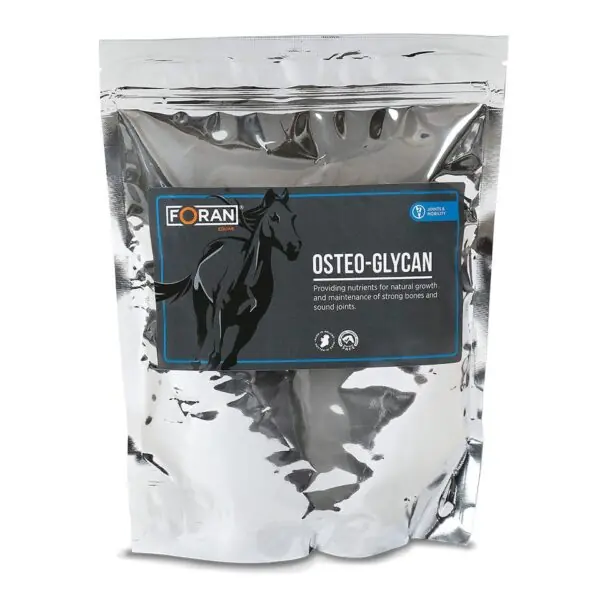
Superior powdered supplement containing marine collage, vitamins and minerals to support bone and joint development
View Product

Senior Sales Consultant, Arab Markets
Based in Kuwait, Mohammad Agha serves as the Senior Sales Consultant for Connolly’s RED MILLS Group, representing a prestigious portfolio of products including Connolly’s RED MILLS horse feeds, Foran Equine Supplements, and Carr & Day & Martin Equine care products across the Arabian markets.