




 Where to Buy
Managing Unwanted Behaviours in Horses through Nutrition and Care
Unwanted behaviour in horses can be attributed to various factors, including diet, management routines, environment, and breeding/genetics. Dietary calming supplements for horses can be a valuable support in addressing these behaviours, providing a safe way to promote calm behaviour in horses.
The Modern Horse’s Lifestyle
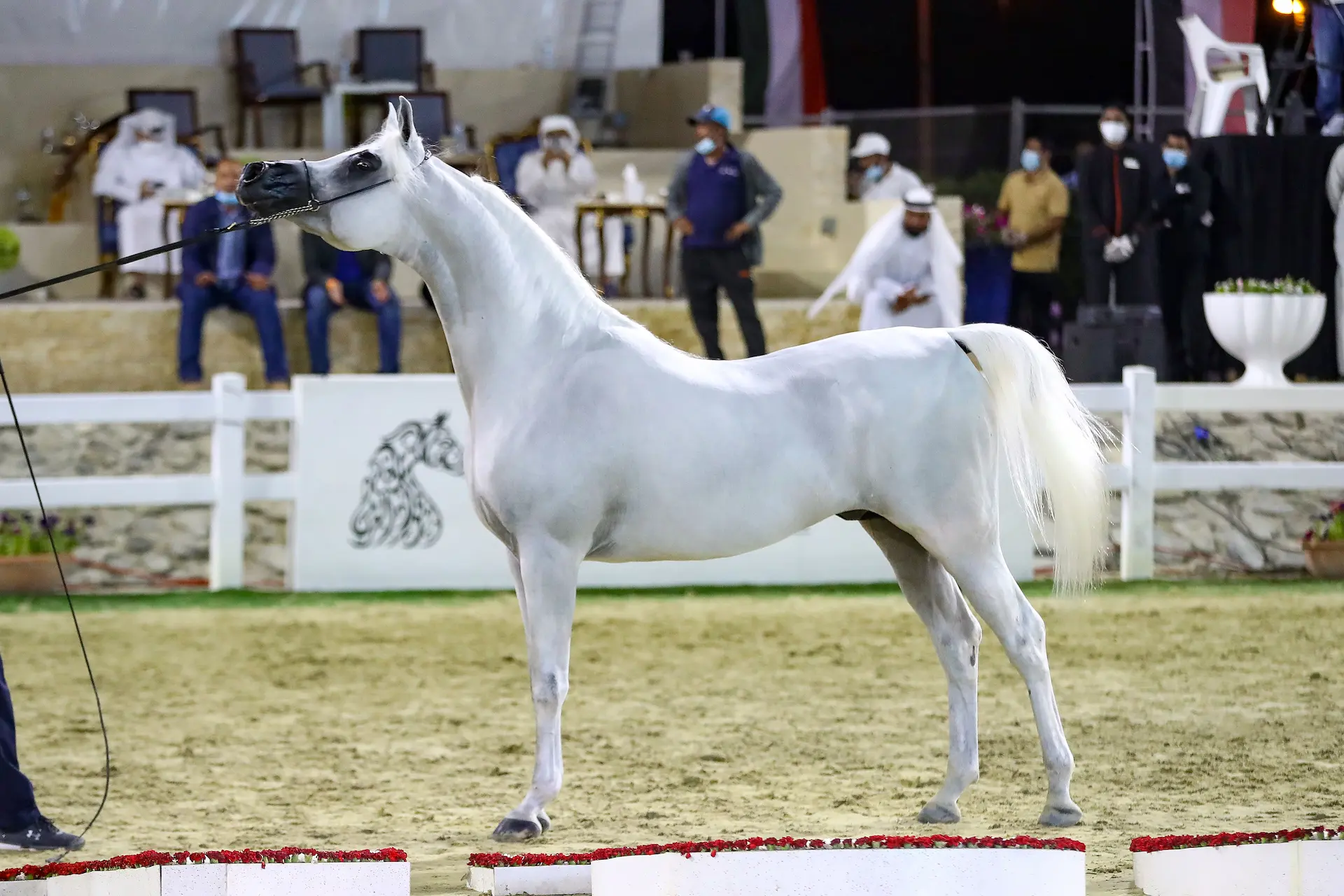
The modern horse’s life differs significantly from that of its wild counterparts. Factors such as stabling, isolation, limited exercise, competitive demands, and high-starch, high-sugar diets can adversely affect a horse’s behaviour. High starch and sugar intake may directly trigger overexcitable behaviour or exacerbate existing stress-related behaviours, impacting performance, handler safety, and overall quality of life. Additionally, Arabian horses can be quite anxiety-prone by nature.
Recognizing Signs of Stress and Anxiety in Horses
Interpreting equine behaviour can be challenging, even for professionals. It takes time to understand what is “normal” for your horse. Any behaviours that seem out of character or pose a threat to handlers should be investigated and addressed. Signs of stress and overexcitability in horses may include:
– Overreacting to external stimuli and easily spooking
– Difficulty maintaining focus, particularly during competition
– Resistance to training, handling, or riding
– Frequent urination and defecation
– Restlessness, such as pawing the ground, kicking stable doors, or whinnying
– Stereotypic behaviours like box walking
– Aggression

Triggers of Stress and Anxiety in Horses
Several factors can contribute to stress and anxiety in horses, including:
– High carbohydrate and sugar diets, which provide excess energy
– Limited turnout on pasture
– Inadequate exercise
– Temperament, which can be influenced by genetics
– Exposure to new or unfamiliar situations, such as clipping or shoeing
– Competitive and training demands
– Physical discomfort or pain, such as gastric ulcers or arthritis
– Hormonal fluctuations
How to Help Alleviate Unwanted Behaviours
Investigating unwanted behaviours may reveal underlying causes that can be mitigated. Reducing pain in an arthritic horse, addressing hormonal imbalances, or increasing exercise levels can help alleviate behavioural issues. Diet, directly or indirectly, may contribute to these problems. Maintaining a low-starch, low-sugar diet can reduce overexcitability and stress-related behaviours. Consider these actions to address unwanted behaviours:
Feed a Low Starch and Sugar Diet: Excess energy intake can lead to nervous and overexcitable behaviours.
Avoid High-Starch Concentrate Before Exercise: High-starch feeds should be avoided several hours before exercise. Lower starch concentrates may be a lot more suitable for anxious horses.
Match Energy Input with Workload: Maintain a consistent daily exercise routine when appropriate.
Increase Turnout: Allow horses to exercise and interact with other horses by providing more turnout, if possible, though this is very limited in the Middle East.
Supplementation: Consider supplements like Nutri-Calm, our calming supplement for horses to promote calm behaviour and improved focus.


Companionship: Some naturally anxious horses benefit from having a companion, particularly young horses.
Familiarization with New Environments: Gradually introduce horses to new experiences to build their confidence.
Consult Your Vet: In cases of unsafe behaviour during specific experiences, your vet may recommend sedation for horse welfare and handler safety.
Hormone Therapy: For mares with behaviour linked to their reproductive cycle, hormone therapy like progesterone treatment (e.g., Regumate) may help.
If considering sedation or hormone therapy, always consult your vet. Note that progesterone treatment is not suitable for competition horses.
How Nutri-Calm, our Horse Calming Supplement Can Help
Nutri-Calm is a dietary calming supplement for horses designed to alleviate stress and anxiety-related behaviours in horses. It provides optimized levels of specific nutritional factors known to promote calm behaviour and improved concentration. Nutri-Calm is available as both a liquid supplement, mixed with daily feed, and as a convenient calming gel that can be administered one to two hours before races or competitions that may trigger stressful or anxious behaviour.
Key Ingredients in Nutri-Calm:
L-tryptophan: An essential amino acid that helps in the production of serotonin, associated with reduced stress and anxiety.
B-complex vitamins: Including thiamine (B1), which may reduce anxiety and improve concentration, as well as B6 and B12 for horses.
Niacin (B3): Helps ensure an adequate supply of tryptophan for serotonin production.
Magnesium: Magnesium for horses is essential for normal nerve transmission and often included as a key ingredient in calmers.
If you seek advice on calming supplement products, our equine nutrition experts are ready to assist.
Related Nutritional Articles

Best Supplements for the Dressage Horse
Best Off-Season Supplements for Horses
Your Nutri-Gard Questions Answered
Contact our sales team via WhatsApp or email


Mohammad Agha
Senior Sales Consultant, Arab Markets
Based in Kuwait, Mohammad Agha serves as the Senior Sales Consultant for Connolly’s RED MILLS Group, representing a prestigious portfolio of products including Connolly’s RED MILLS horse feeds, Foran Equine Supplements, and Carr & Day & Martin Equine care products across the Arabian markets.