




 Where to Buy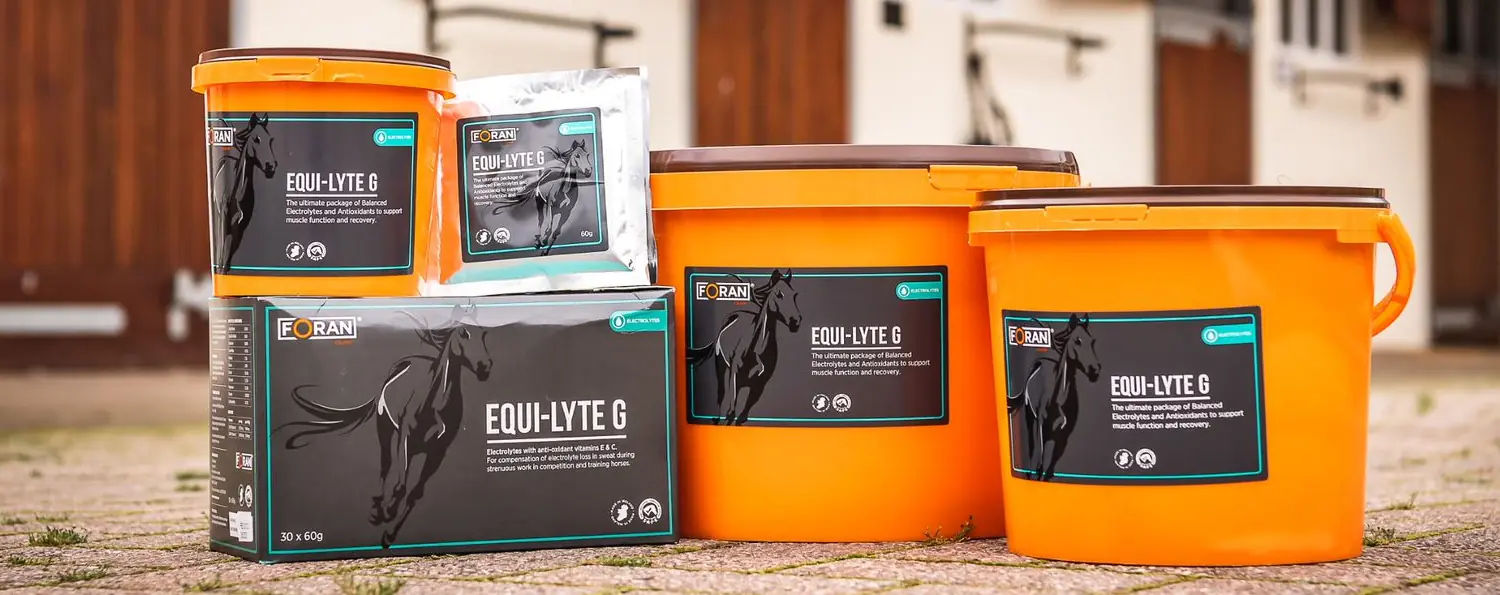
How to Read Equine Supplement Labels
Navigating the world of horse supplements can be daunting if you’re not familiar with what to look for. Having a solid grasp of the obligatory and optional information on supplement labels can ensure that your horse’s nutritional needs are met.
As a responsible horse owner, it’s your duty to prioritize your horse’s nutritional well-being and stay informed about what they’re consuming. Nowadays, most horse owners don’t create their horses’ diets from scratch, which makes understanding the ingredients in commercial supplements slightly more complex, but not necessarily more challenging.
Manufacturers are legally required to disclose the contents of their products on the packaging, be it a bag, bucket, tub, bottle, or other container. While the information on ingredients is readily available, interpreting it can be challenging due to various presentation styles with multiple headings and subheadings. Consequently, it can be difficult to determine if the product you’re using is suitable for your horse. Additionally, differing presentation styles among different companies make it hard to make meaningful product comparisons.

Here’s a brief guide to help you understand the obligatory and voluntary information on equine supplement labels:
1. Statutory Inclusions
Every label must include several mandatory details, as required by EU legislation:
– Name and address of the product manufacturer.
– Approval number of the manufacturing premises.
– Net contents.
– Batch number and expiry date.
A supplement lacking these minimum details should raise suspicions about its origin and content.
Regarding the supplement itself, the following information must also be provided:
2. Composition
The composition of a supplement lists the materials or ingredients in the product, presented in descending order by weight.
3. Analytical Constituents
Analytical constituents provide laboratory-analysed values for different nutrients in the supplement. This section lists percentage values for crude protein, crude fibre, crude fat or oil, ash, and moisture content in the product. This section may also declare elements like calcium, phosphorus, magnesium content, or the feed’s energy value.
4. Additives
The additives section of the label enumerates vitamins, minerals, amino acids, preservatives, and other elements added to the product to enhance its nutritional quality, shelf life, or technical characteristics. This section usually includes the quantities of each vitamin, micro-mineral, or amino acid added.
The additives section is highly informative when choosing supplements, as it offers a comprehensive breakdown of the added nutritional content and their quantities. When comparing products, consider both the concentration and variety of nutrients added to determine the most suitable product for your horse.
5. Product Description
A description of the product, adhering to legislative guidelines for supplement descriptions, is also mandatory. Most horse supplements fall under the category of “complementary feeds,” which means they have a high content of certain substances but are not sufficient for a horse’s daily diet on their own. The product description should also specify the intended animal species, e.g., “complementary feeding stuff for horses.”
6. Feeding Directions
The feeding directions should specify the recommended daily amount of the product for your horse. It’s crucial to follow these guidelines to avoid over-supplementation. While most nutrients have generous safe ingestion limits, certain micro-minerals or trace elements have narrow safety margins, and excessive supplementation can be harmful.
7. Precautions
The product should indicate how it should be stored and any special storage requirements, such as refrigeration, if necessary.
Logos
On the front label, you may come across logos such as the S.A.F.E. logo, signifying that the product is safe for use in all racing and competition horses.
It’s advisable to read horse supplement labels carefully. They provide a wealth of information that can help ensure you’re using the product correctly and meeting your horse’s specific requirements. In addition to the statutory label requirements, you may find additional information on the label, which, although voluntary, must still comply with legislative standards and refrain from making medicinal or extravagant claims.
If you have any questions about your feeding regimen, don’t hesitate to ask our expert team for guidance.

Related Nutritional Articles

Best Supplements for the Dressage Horse

Best Off-Season Supplements for Horses
Your Nutri-Gard Questions Answered
Contact our sales team via WhatsApp or email


Mohammad Agha
Senior Sales Consultant, Arab Markets
Based in Kuwait, Mohammad Agha serves as the Senior Sales Consultant for Connolly’s RED MILLS Group, representing a prestigious portfolio of products including Connolly’s RED MILLS horse feeds, Foran Equine Supplements, and Carr & Day & Martin Equine care products across the Arabian markets.