




 Where to Buy
Supporting Your Mare’s Milk Production During Lactation
After ensuring top-notch care for your mare during pregnancy to safeguard her well-being and her foal’s health, it’s crucial to maintain this level of care post-birth. Sustaining your mare’s optimal health is reflected in the quality and quantity of her colostrum and milk production, granting her foal the best possible start in life.
You can divide your mare’s nutritional plan into two phases: gestation and lactation. During gestation, your focus is on meeting the mare’s nutritional needs to support the growing foal in utero. Nutritional requirements will significantly vary throughout gestation. You can find more information about feeding the pregnant mare here.
In the last few weeks of gestation, you need to shift your thinking towards feeding for the lactation period. At this stage, you must specifically consider colostrum quality, as optimizing it during these final weeks will give your foal the best possible start in life. You can learn more about maximizing colostrum quality here.
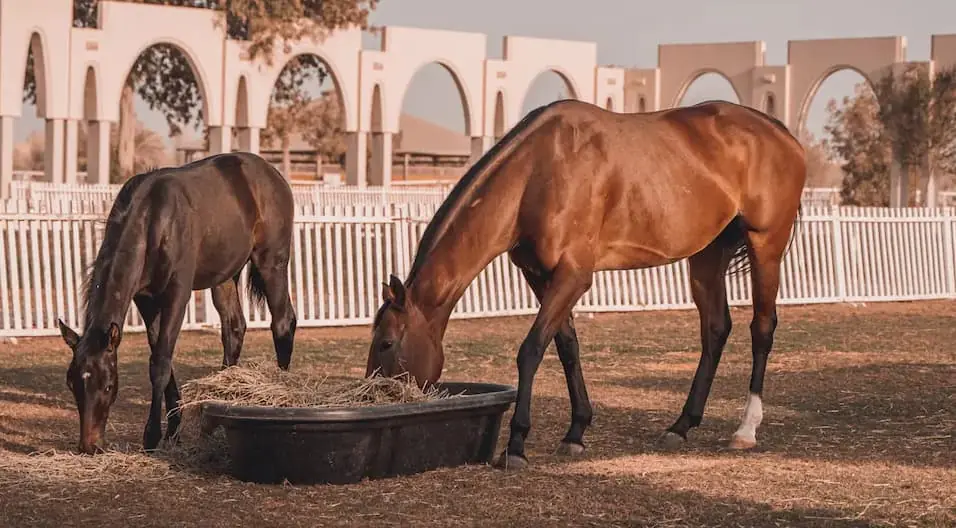
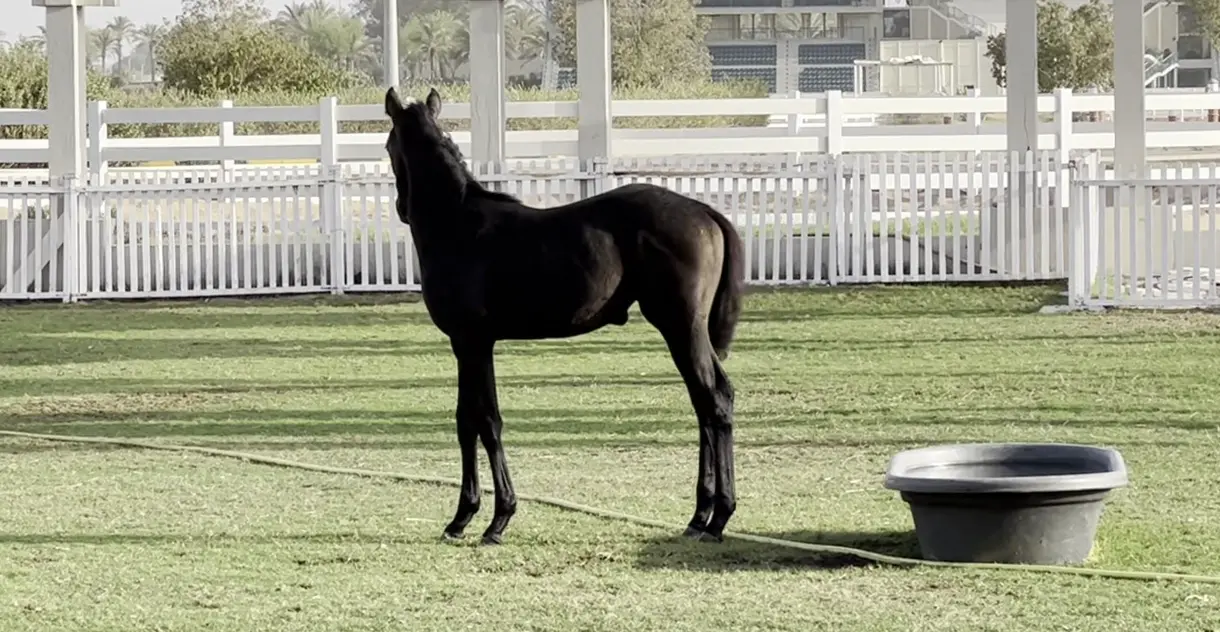
Factors Influencing Mare’s Milk Production
When devising the most suitable feeding regimen for your mare, several factors come into play, including age, condition, breed, husbandry practices, and any existing medical issues such as Equine Metabolic Syndrome (EMS). The nutrition value of the hay (forage portion) of your mare’s diet should be of highest quality to support her demanding needs during lactation. Some mares may also struggle with milk production, requiring additional support to enhance milk quality and quantity.
Why Does Mare’s Milk Quality Matter?
While the mare’s feeding regime may vary, the foal’s needs remain consistent: milk is their primary source of nourishment for the first month of life, and it continues to be a significant part of their diet up to six months of age. Introducing creep feeding may become necessary, and in some situations, a milk replacer might be required. Maximizing the quality of the mare’s milk during this time sets the foundation for a healthy and robust athletic future for the foal.
Your lactating mare’s overall diet consists of forage, concentrate feed, and supplements. Forage intake should be maximized to promote gut health and prevent gastrointestinal issues. Concentrate feed should provide essential nutrients, including high-quality protein and premium vitamins and minerals. The type and quantity of concentrate feed will vary based on your mare’s specific situation. You can find more information about feeding concentrate to your mare during lactation here. Supplement usage will depend on the amount and quality of concentrate feed, your mare’s age, overall health, stabling conditions, and other factors like EMS.
Specific supplements can help enhance your mare’s milk quality and quantity, but with a huge range of products on the market, it can be challenging to determine the most suitable options.

Which Supplements Benefit a Lactating Mare the Most?
Calcium – Why Is It So Crucial?
Calcium is the most abundant mineral in mare’s milk, which explains why her demands double during lactation. Supplementing with additional sources of calcium is advisable to maximize milk production and prevent the issues a deficiency could trigger. Calcium is the primary building block for skeletal development and conformation in foals and young horses. It also plays a vital role in muscle and nerve function. Calcium works in conjunction with phosphorus, and the ideal ratio of Ca:P should be 2:1 for healthy growth.
Cal-Gro is a specially formulated supplement for pregnant and lactating mares that offers the perfect calcium and phosphorus ratio, along with other key nutrients necessary for optimal milk quality and foal growth. Cal-Gro also contains lysine, an essential amino acid crucial for milk production, as well as vitamin E, which promotes colostrum quality when fed in the last 4-6 weeks of gestation, and essential minerals like manganese, copper, and zinc vital for cartilage, tendon, and ligament development

Omega-3 Fatty Acids for Mares
Omega-3 fatty acids are another essential component of milk, and since they cannot be produced by the body, they must be included in the diet. However, they are typically present in low levels in conserved forage and grain concentrates. Increasing oil intake in a lactating mare’s diet can enhance the fatty acid content of her milk, thus improving milk quality and supporting the foal’s immune health and development. Kentucky Karron Oil, our equine oil supplement provides a high-quality source of essential omega-3 fatty acids for horses in a highly bioavailable format, making it an excellent choice to bolster milk production and immune health. Additionally, supplementing the mare’s diet with oil increases her energy intake, a vital factor for optimal milk production.


Supporting Appetite
Mares with poor appetite may struggle to consume sufficient feed to meet the nutrient requirements for ideal milk production. This can negatively impact her overall condition and well-being. In such cases, providing B-Complete can help stimulate and enhance her appetite. B-Complete is a highly palatable B Vitamin supplement for horses that includes a prebiotic. When reduced forage intake is due to poor appetite, the mare’s gut health may suffer, and B vitamin production may decrease. Supplying them in the form of B-Complete will restore optimal levels for a lactating mare.
If you have questions or require advice on improving your mare’s milk, consider reaching out to one of our equine nutrition experts.
Related Nutritional Articles

Best Supplements for the Dressage Horse

Best Off-Season Supplements for Horses
Your Nutri-Gard Questions Answered
Contact our sales team via WhatsApp or email


Mohammad Agha
Senior Sales Consultant, Arab Markets
Based in Kuwait, Mohammad Agha serves as the Senior Sales Consultant for Connolly’s RED MILLS Group, representing a prestigious portfolio of products including Connolly’s RED MILLS horse feeds, Foran Equine Supplements, and Carr & Day & Martin Equine care products across the Arabian markets.