




 Where to Buy
Managing Horses With Anhidrosis In Hot Climates
This is a serious condition where the horse loses its ability to sweat. It can cause severe inability to manage thermoregulation in the equine athlete.
It is more common in hotter climates. It puts the “non-sweater” at risk of hyperthermia and heat stroke. The cause of anhidrosis is relatively unknown but it is believed to be linked to the overstimulation of the horses’ sweat glands by cortisol (stress hormones) typically occurring in the heat of the summer.

The severity of anhidrosis in horses can vary significantly. Some horses may exhibit only minor reductions in sweat production, leading to subtle clinical symptoms, while others may experience a complete absence of sweat production, resulting in severe hyperthermia. While it is frequently diagnosed in performance horses during exercise, anhidrosis can also affect non-performance horses and appears to be more prevalent among horses with dark-coloured coats. Any horse can suffer from anhidrosis, including brood mares and those with more sedentary lifestyles. If your horse has an elevated respiratory rate, elevated temperature and will leave his herd mates to seek shelter, consult your veterinarian to test for anhidrosis.
Effectively managing anhidrosis can be a straightforward process, yet achieving a complete cure can pose significant challenges. Anhidrosis treatment options are diverse, and the effectiveness of one approach may not necessarily apply to another horse. Prior to the successful administration of medication, it is crucial to restrict intense exercise for horses with anhidrosis during the hottest part of the day. Additionally, providing suitable accommodations that mitigate temperature elevation, such as shade, airflow, misting systems, or cold water hosing, is essential.

Equine Electrolytes for Horses with Anhidrosis
These will be key in managing a horse with anhidrosis. These are usually chosen based on abnormalities identified in blood biochemistry. These compounds, particularly sodium, have vital roles in regulating thirst, as well as fluid metabolism within the body, so replacing losses (and ensuring free access to water) is important to quickly return an equine athlete to a normal hydration state, after work. Electrolytes are essential for normal functioning of nerves and muscle, so horse experiencing daily losses of electrolytes greater than their intake are highly likely to experience negative effects on health and performance. Many electrolytes are involved in regulating glucose metabolism and so are important in making sure energy is not only appropriately directed for recovery but also that energy levels are where they need to be for the next performance demand.
B-vitamins for horses
Another vital component for energy metabolism, B-vitamins are also instrumental in how protein is utilised in the body. Protein is the most important macronutrient for muscle growth, maintenance, and repair, so ensuring optimal utilisation is key for the equine athlete.
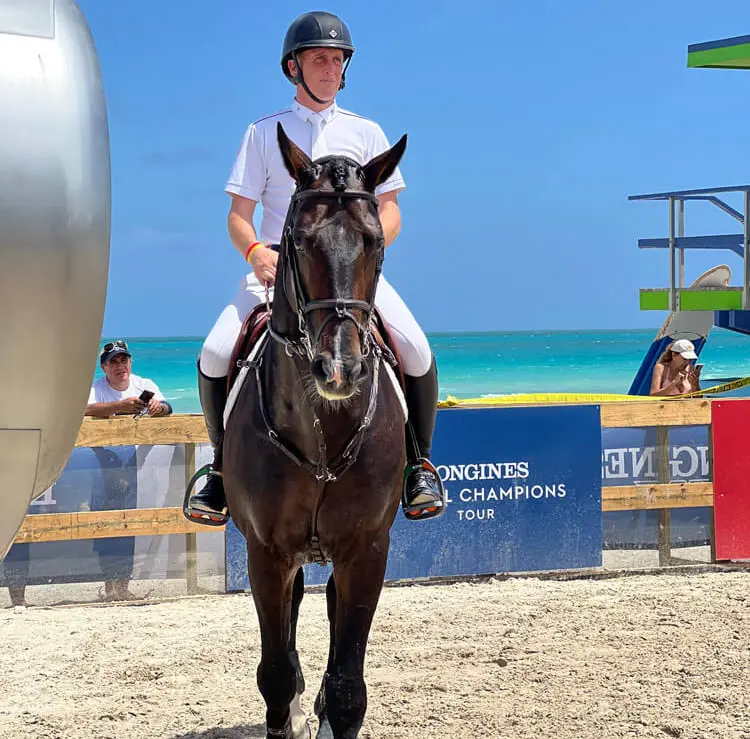

Antioxidants for Horses
All body processes produce particles called free radicals. Clearing the body of these particles is a natural part of the early exertion recovery period and this role is performed by antioxidants. Many compounds have antioxidant properties, including vitamins C and E, which work synergistically when combined.
Equi-Lyte G a powdered electrolyte supplement with added vitamin E and C, the ultimate package of daily balanced electrolytes and antioxidant to support muscle function and recovery.
Refuel Liquid is a balanced essential electrolyte with added B-vitamins for horses in a palatable formulation. Given daily, Refuel Liquid facilitates recovery between exercise sessions, allowing the chosen training regime to deliver maximum benefits.
Refuel Gel provides an easily administered, concentrated shot of equine electrolytes, B-vitamins and vitamins C and E, for optimum recovery. Ideal for use after more intense exertion, either during training or after competition.
With successful lifelong management and treatment, a horse can continue to perform in hot, humid environments. As a last resort, for cases that do not respond to conventional therapy, moving the horse to a less hot and humid environment will eventually restore its ability to sweat. In any case, work with your veterinarian to formulate a plan to expedite your horse’s return to normal sweating and therefore, normal thermoregulation for good health and peak performance through the summer months .
For more advice on targeted supplementation to support your performance goals, contact Foran Equine to speak to one of our advisers here.
Related Nutritional Articles

Best Supplements for the Dressage Horse
Best Off-Season Supplements for Horses
Your Nutri-Gard Questions Answered
Contact our sales team via WhatsApp or email


Mohammad Agha
Senior Sales Consultant, Arab Markets
Based in Kuwait, Mohammad Agha serves as the Senior Sales Consultant for Connolly’s RED MILLS Group, representing a prestigious portfolio of products including Connolly’s RED MILLS horse feeds, Foran Equine Supplements, and Carr & Day & Martin Equine care products across the Arabian markets.