




 Where to Buy
Getting your Mare Ready for the Breeding Season
Understanding how to provide support for the mare and newborn both before and after her giving birth is crucial. Recognizing when issues arise and when to seek assistance is central to ensuring a successful neonatal period.
What dietary needs do mares have before foaling?
As your breeding mare approaches her due date, the growing foetus occupies a significant portion of her abdominal space, which may lead to a natural decrease in her feed intake. Maintaining optimal forage consumption is crucial to preserving gut health and preventing issues like colic in your mare. Consequently, reducing hard feed intake may become necessary during this period. However, it’s essential to find alternative feeding solutions to meet her nutritional requirements.
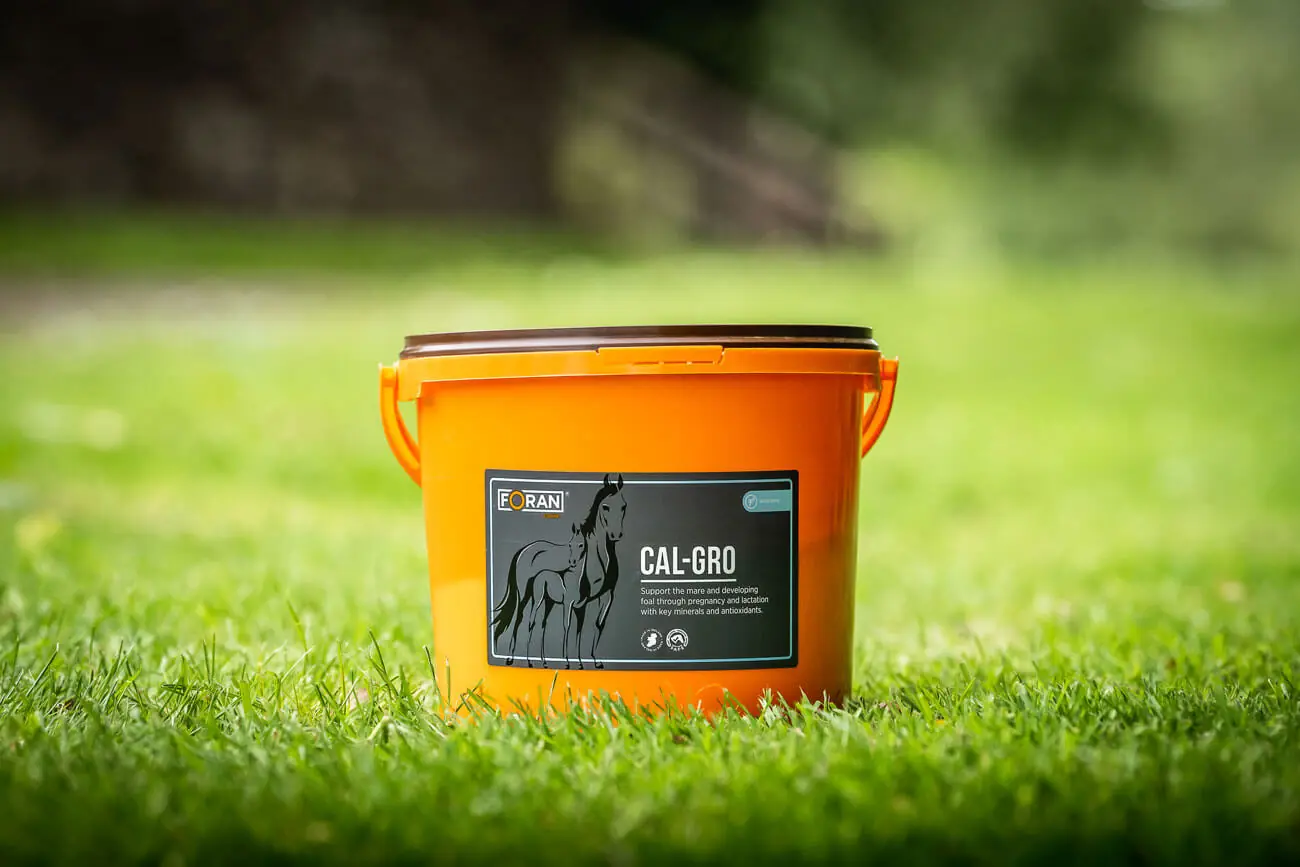
Feeding the pregnant mare in small, frequent meals can assist her during this time, and dietary supplementation can be highly beneficial. For example, Cal-Gro is a powdered nutritional supplement for mares containing essential minerals and antioxidants, supporting both the mare and developing foal throughout pregnancy and lactation. It can be added to her daily hard feed.
Chevinal is a liquid multi-vitamin, mineral, and key amino acid supplement that enhances the mare’s overall nutrient intake. This type of vitamin and mineral supplement for horses is particularly valuable when hard feed intake is reduced and can complement the mare’s concentrated diet.
How should I prepare for the due date?
Whether you plan to birth your mare at home or send her to a facility, careful preparation is essential. Consider the following key aspects:
Vaccinations: Consult with your veterinarian to determine the appropriate vaccinations for your mare, especially in the last six weeks of her pregnancy. The right vaccinations enhance the transfer of specific antibodies from colostrum to the baby after birth. Routine yearly vaccinations can be administered six weeks before foaling. Specific maternal vaccinations, such as Rota-virus, are essential due to their significant impact on preventing rota-viral diarrhoea in young horses.
Location: Decide on the location for the birthing process, and this choice should be made three to four weeks before foaling. The pathogens present in the mare’s environment during this period can influence the specific antibodies in her colostrum. Keeping the mare in the same environment as the intended birthing location during these weeks is advisable. Maintaining excellent hygiene protocols during the process is critical.
Equipment: Assemble a kit that includes essential items such as a clean tail bandage, a suitable disinfectant for the umbilicus after giving birth, and contact information for your vet. A notebook for recording key events is useful, and a Brix refractometer is essential for assessing the quality of the mare’s colostrum. Larger birthing units may have additional equipment for complex births.
Caslick’s Procedure: Some mares undergo a Caslick’s procedure, involving stitching the upper part of the vulva, to prevent air and faeces from entering the reproductive tract. This procedure must be performed by an experienced veterinarian, and the stitching must be removed before her due date.

How can I determine when my mare will give birth?
Most mares provide warning signs as they approach their due date, including restlessness, nesting, an increase in mammary gland size (bagging up), and the production of crystallized colostrum (waxing up). Some mares may even start producing larger quantities of milk in the hours or days preceding giving birth.
If your mare begins producing colostrum or milk before entering labour, it’s vital to assess its quality using a refractometer after the newborn horse is born. High-quality colostrum is crucial for protecting the newborn horse from environmental pathogens while its immune system matures. If you have any doubts about colostrum quality or quantity, contact your vet for guidance. They may check the newborn horse’s immunoglobulin G levels to determine if a transfusion is necessary.
What happens after giving birth?
Within 30 minutes of foaling, the newborn should exhibit a strong suck reflex, alertness, and an upright sternal position. If the suck reflex is absent, or the newborn horse is recumbent and lethargic, contact your vet immediately, as these may be signs of serious issues.
The newborn should attempt to stand after 30 minutes, and the presence of deep straw bedding is essential to prevent injuries during these initial attempts. Within the first hour after birth, the mare should display a robust interest in her baby, remaining alert and standing. The mare should pass the placenta (afterbirth) within an hour of foaling. Failure to do so within two to three hours is a cause for concern, and your vet should be called immediately, as a retained placenta can be life-threatening for your mare.
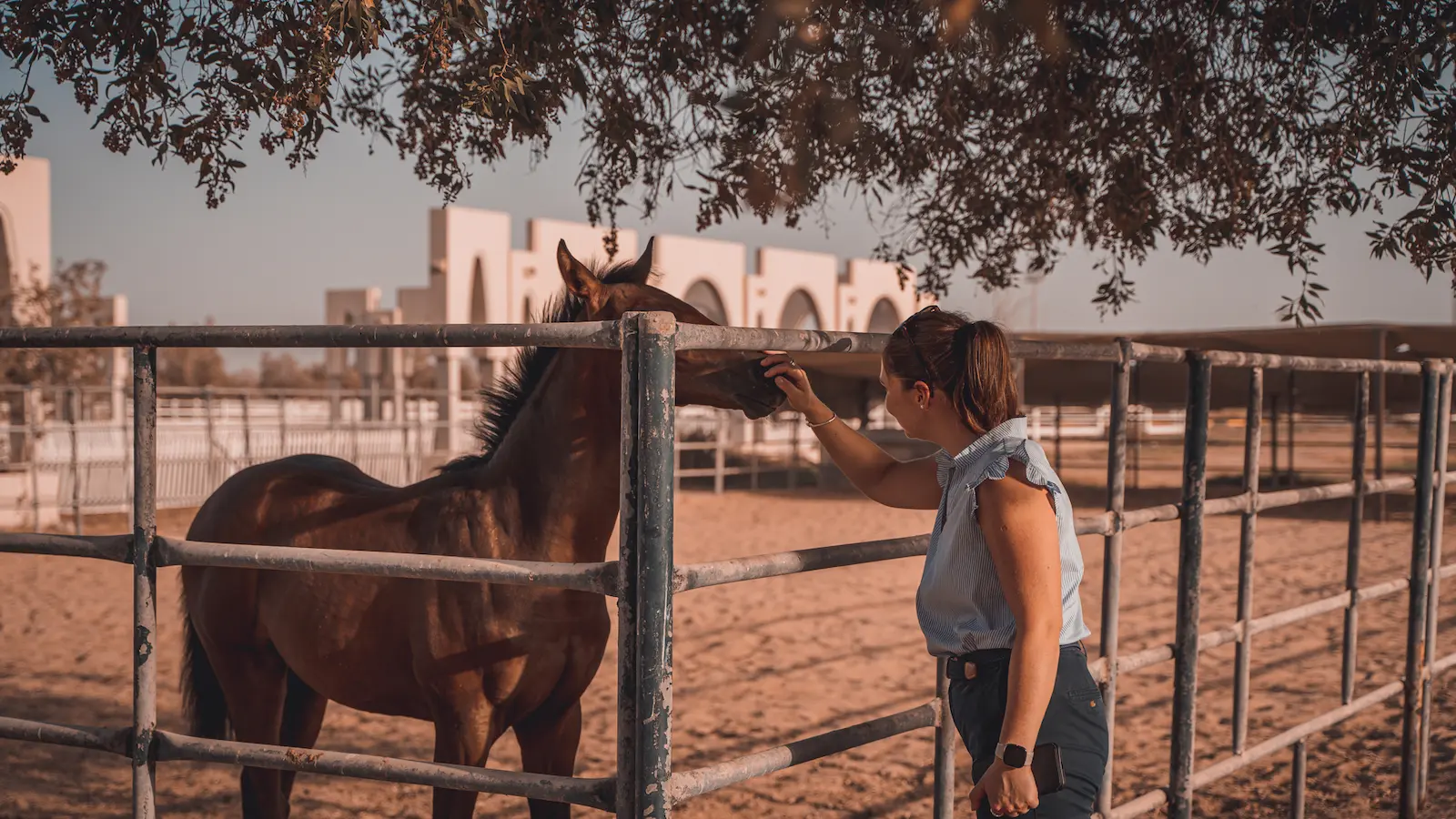

Within two hours of birth, the animal should be attempting to stand and nurse from the mare. The newborn horse should be suckling 5-7 times per hour by two hours after birth. The first 8 hours are critical for optimal antibody absorption. If the young horse cannot stand and nurse after two hours, it may signal a problem, and veterinary attention should be sought. During these initial hours, minimize your interference with the bonding process between the mare and baby. Focus on the mare’s recovery by providing her with Refuel gel, one of our equine electrolyte supplements to replenish electrolytes and restore energy levels quickly. Ensure that water is readily available and offer her high-quality forage.
How can I support the newborn horse?
Neonates should receive all their nutrition from the mare, and proper dietary management before giving birth and during lactation is essential to maximize colostrum and milk quality. There may be circumstances where additional support in the form of products like Friska Foal, our foal supplement is beneficial. Friska Foal is a multivitamin and prebiotic syrup designed to enhance a young horse’s overall well-being and development. It can be fed directly to the baby alongside the mare’s milk, suitable for animals from 24 hours of age up to weaning, particularly beneficial for those under stress or experiencing ill-thrift.
For further guidance on how Foran products can optimize the health of your mare and foal, consult our equine experts.

Related Nutritional Articles

Best Supplements for the Dressage Horse
Best Off-Season Supplements for Horses
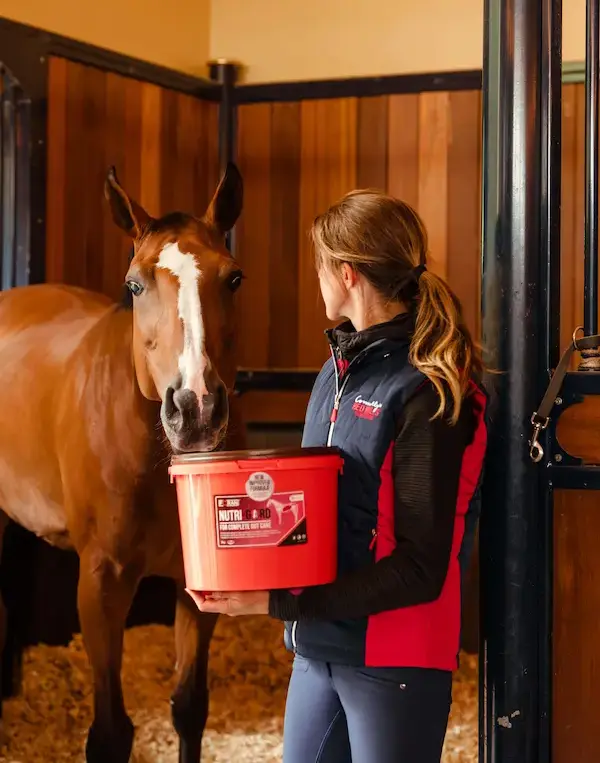
Your Nutri-Gard Questions Answered
Contact our sales team via WhatsApp or email


Mohammad Agha
Senior Sales Consultant, Arab Markets
Based in Kuwait, Mohammad Agha serves as the Senior Sales Consultant for Connolly’s RED MILLS Group, representing a prestigious portfolio of products including Connolly’s RED MILLS horse feeds, Foran Equine Supplements, and Carr & Day & Martin Equine care products across the Arabian markets.