




 Where to Buy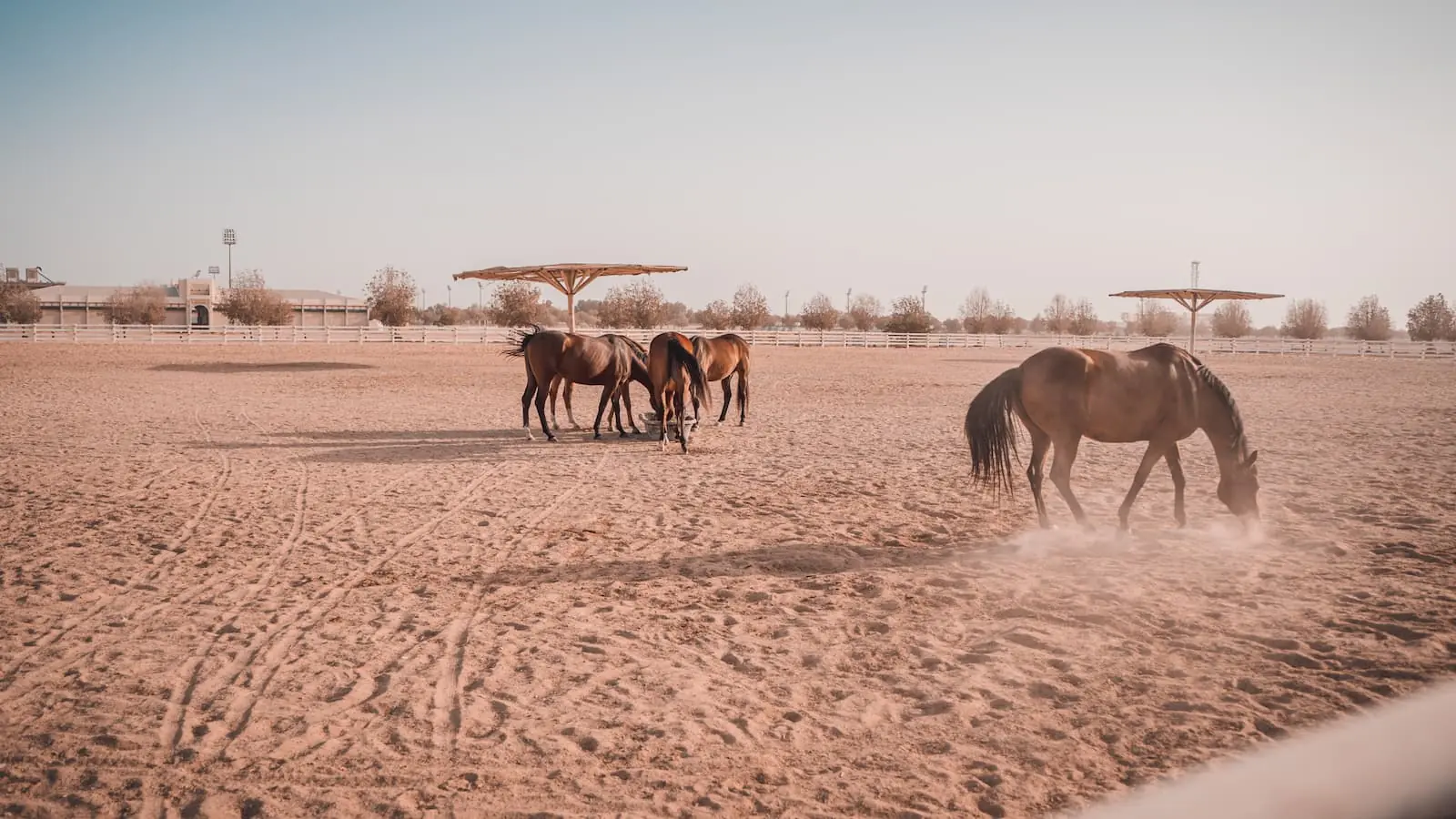
Causes and Best Management of Laminitis in Horses
Laminitis is a painful condition in horses and ponies that is both common and recurrent in susceptible animals due to underlying conditions. It is especially common in Arabian horse breeds. These equines require special management to limit the severity and recurrence of laminitis.
Understanding Laminitis in Horses
Laminitis is an excruciatingly painful condition affecting horses and ponies. It occurs when the laminae, finger-like projections that connect the hoof to the pedal bone in the horse’s limb, become damaged. As these damaged laminae connections stretch and lose their shape, the pedal bone becomes unstable and painful. In some cases, the pedal bone may sink or rotate in relation to the hoof capsule, a condition known as ‘founder’ or chronic laminitis.
Causes of Laminitis in Horses
There are three primary causes of laminitis:
1. Hormone/Endocrine or Insulin-Related Laminitis:
This type, responsible for about 90% of all cases, is often associated with underlying hormonal conditions such as equine Cushing’s disease (pituitary pars intermedia dysfunction – PPID) or equine metabolic syndrome (EMS). These conditions lead to insulin dysregulation, although the exact mechanism remains unclear. Arabian horses, ponies and ‘good-doer’ types are more prone to this form of laminitis.
2. Inflammatory or Sepsis-Related Laminitis:
Certain serious medical conditions like colic, diarrhoea, retained placenta, or severe pneumonia can result in systemic illness and inflammation, which may lead to laminitis. Grain overload can also trigger this type of laminitis.
3. Supporting Limb Laminitis:
This occurs when a horse is non-weight bearing on one limb, leading to laminitis in the opposite leg due to mechanical overload.
Recognizing Laminitis in Horses
Signs of laminitis include:
– Bounding digital pulses (felt at the back of the fetlock)>Weight shiftingPreference for soft surfaces
– Reluctance to turn
– Lameness, stiff or unsteady gait
– Reluctance to move
– Reluctance to pick up feet
– Pain between the apex of the frog and the toe
– Increased heart rate, respiratory rate, and other signs of discomfort

Managing Laminitis in Horses
If your horse exhibits any of the signs mentioned above, contact your vet to take appropriate action. Management of a laminitic horse involves a period of rest with restricted movement, pain relief, and foot support, depending on the underlying cause. Stabilized horses often require X-rays for long-term management planning and blood tests to check for hormonal conditions.
Therapeutic trimming and shoeing, along with the management of diagnosed hormonal conditions, should be supervised by your vet and farrier. Weight and diet control are crucial in managing and preventing laminitis recurrence.
– Hay should be fed at 1.5-2% of body weight and can be soaked to reduce sugar content.Dividing hay into several small portions throughout the day using small-holed hay nets helps slow consumption and maintain digestive health.For horses with good dental condition, adding a small amount of oat or barley straw to the diet can help reduce calorie intake without limiting forage intake.
– Regularly monitor your horse’s weight with a weigh tape to ensure they maintain a healthy body condition.
– Exercise, if no signs of active laminitis are present, can help in maintaining a healthy weight.
While diet restriction is essential, meeting the nutritional requirements of key vitamins and minerals can be challenging. High-quality supplements like Chevinal, a scientifically formulated liquid multivitamin, mineral, and essential amino acid supplement for horses, can provide the necessary nutrition. Omega-3 supplements for horses which is found in our Kentucky Karron Oil may also benefit horses with limited access to grass.
Laminitic horses often have damaged hoof horn, making supplements supporting healthy and optimal new horn growth a valuable addition. Hoof Aid, is our horse hoof supplement available in powder and liquid forms, contains biotin and essential minerals for quality hoof growth and strength.
Contact the Foran Equine Team for further information on how our products can support your laminitic horse.

Related Nutritional Articles

Best Supplements for the Dressage Horse
Best Off-Season Supplements for Horses
Your Nutri-Gard Questions Answered
Contact our sales team via WhatsApp or email


Mohammad Agha
Senior Sales Consultant, Arab Markets
Based in Kuwait, Mohammad Agha serves as the Senior Sales Consultant for Connolly’s RED MILLS Group, representing a prestigious portfolio of products including Connolly’s RED MILLS horse feeds, Foran Equine Supplements, and Carr & Day & Martin Equine care products across the Arabian markets.