




 Where to Buy
Antioxidants for Horses – Benefits for Sore Muscles/Fatigue
Free radicals are suspected to play a role in inducing muscle fatigue during exercise. Antioxidants have the potential to counteract these unstable molecules, thereby promoting muscle health and facilitating recovery. Consequently, the use of antioxidant supplements for horses during periods of rigorous exercise, such as training and competition, can significantly enhance performance.
Understanding Antioxidants and Free Radicals
The term “antioxidant” refers to a category of compounds that inhibit a process known as oxidation. Oxidation is a natural bodily process that involves the creation of unstable particles called free radicals. These free radicals are by-products of cellular metabolism and tend to interact with other cells, including muscle cells, in an attempt to stabilize themselves.
During exercise, a horse’s muscles work harder, leading to an increased rate of cellular metabolism and oxygen consumption. This heightened cellular activity results in the accelerated production of free radicals, particularly within the muscles. Consequently, oxidative stress occurs, and when it becomes excessive, it can lead to muscle damage.
Antioxidants can stabilize free radical molecules, neutralizing their harmful effects and diminishing their impact on other cells. The balance between free radical production and the availability of antioxidants dictates the level of oxidative stress.
Various Types of Antioxidants for Horses
While a horse’s body can generate natural antioxidants to combat free radicals, the demand can sometimes exceed the body’s production capacity. Including antioxidant-rich foods in the horse’s diet can support their natural processes, mitigating oxidation and minimizing the consequences of oxidative stress.
Muscle Cell-Produced Antioxidants
Superoxide dismutase (SOD) – dependent on copper, manganese, or zinc.
Glutathione peroxidase (GPX) – dependent on selenium.
Glutathione (GSH).
Dietary-Derived Antioxidants
Vitamin E for horses
Vitamin C for horses
Carotenoids for horses

Incorporating Antioxidants into Your Horse’s Diet
In conjunction with a well-balanced diet, supplementing specific antioxidant ingredients can be advantageous for horses engaged in training or regular exercise – endurance horses, racehorses or Arabian show horses. The following antioxidant options are beneficial:
Coenzyme Q10 (CoQ10) for Horses
CoQ10 functions as a potent antioxidant and aids in the regeneration of other antioxidants, such as Vitamin E for horses. It exists in two forms, ubiquinol, and ubiquinone. Horses in training often have insufficient dietary CoQ10, making supplementation crucial to support performance. Equine Recovery Supplements like For-Recovery contain pure Ubiquinol CoQ10 in a bioidentical form, ensuring optimal performance and recovery.
Selenium for Horses
The efficacy of a key enzyme, glutathione peroxidase, involved in specific antioxidative functions, relies on selenium availability. As the production of the type of free radical countered by this enzyme increases during exercise, supplementing horses with selenium can enhance the enzyme’s effectiveness. Supplements like Muscle Max, our muscle supplement for horses provide high selenium levels, alongside Vitamin E and the essential amino acid lysine, promoting performance and recovery.
Vitamin E for Horses
Studies have indicated improved racing endurance in horses given vitamin E supplements. Supplementing with both vitamin E and selenium for horses further enhances a horse’s immune system. Products like our V.S.L deliver the antioxidant benefits of Vitamin E and selenium, along with the essential amino acid lysine, supporting muscle health.
Vitamin C for Horses
Vitamin C serves as an antioxidant in horses, seeking out and neutralizing free radicals while participating in the production of Vitamin E. Though horses can synthesize vitamin C themselves, including an equine C vitamin supplement in the diet is advisable to maximize antioxidative function, as with products like our Honey C.
Copper, Manganese, and Zinc for Horses
These essential antioxidant trace elements have diverse functions within the body, including supporting an enzyme called superoxide dismutase found in muscle cells. This enzyme neutralizes a specific type of free radical that increases during exercise, aiding in the horse’s ability to neutralize free radicals as training progresses. Liquid equine multivitamin and mineral supplements like Chevinal offer all these trace elements, along with essential amino acids and more, providing comprehensive support for equine athletes.

For further insights on the benefits of antioxidant supplementation for your horse, reach out to our equine experts.
References
- Fatmagül, F., et al., Effects of Vitamin E and Selenium on Serum Trace and Major Elements in Horses, Biological Trace Element Research Journal, Nov 2007
- Sinatra, et al (2014)._Plasma _Coenzyme_Q10_and Tocopherols_in Thoroughbred Race Horses: Effect of Coenzyme Q10 Supplementation and Exercise. Journal of Equine Veterinary Science. 34.265–269.10.1016/j.jevs.2013.06.001
Related Nutritional Articles

Best Supplements for the Dressage Horse

Best Off-Season Supplements for Horses
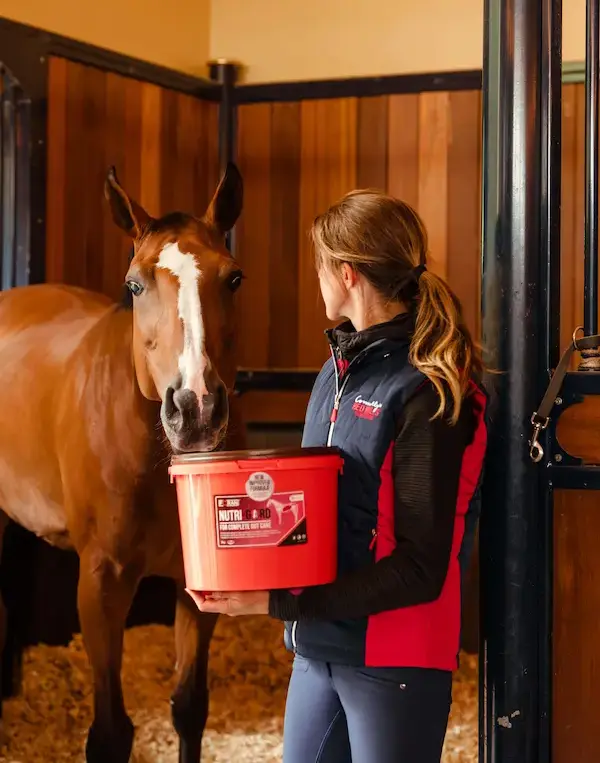
Your Nutri-Gard Questions Answered
Contact our sales team via WhatsApp or email


Mohammad Agha
Senior Sales Consultant, Arab Markets
Based in Kuwait, Mohammad Agha serves as the Senior Sales Consultant for Connolly’s RED MILLS Group, representing a prestigious portfolio of products including Connolly’s RED MILLS horse feeds, Foran Equine Supplements, and Carr & Day & Martin Equine care products across the Arabian markets.