




 Where to Buy
Common Vitamin and Mineral Deficiencies in Horses in the Middle East
Here we discuss various nutritional deficiencies that can affect horses, along with their symptoms, risk factors, and ways to prevent them.
Here’s a summary of each deficiency:
Copper Deficiency in Horses:
Clinical signs (symptoms): Dull and bleached hair coat, brittle manes and tails, chronic hoof problems.
Risk Factors: Hay from copper-deficient soil, which is common in the Middle East, poor-quality hard feed, inadequate feed intake, interaction with other elements.
Prevention: Daily supplementation in known copper-deficient areas or for horses with increased demand. Chelated copper supplements for horses like our Coppervit are the best choice. ‘Chelated’ minerals are those bound in an amino acid which makes them a lot more bioavailable (easily absorbed).


Iron Deficiency in Horses:
Clinical signs: Fatigue or reduced performance.
Risk Factors: Increased demand or losses due to factors like pregnancy, lactation, excessive sweating, chronic bleeding.
Prevention: Short-term iron supplements for horses with products like Feratone, which contains iron sulfate and B Vitamins.
Vitamin E Deficiency in Horses:
Clinical signs: Gait abnormalities, muscle weakness, low head carriage, lying down frequently, neurological conditions, fertility problems.
Risk Factors: Poor pasture, dried hay as the main forage source, higher demand (performance horses, young, growing horses, breeding animals), illness.
Prevention: Administering Equine Supplements with vitamin E, especially for at-risk horses is advisable. Products like our Foran Equine’s Vitamin E Supplement are recommended
Selenium Deficiency in Horses:
Clinical signs: Muscle weakness, weight loss, difficulty swallowing, immune system and fertility issues.
Risk Factors: Selenium-deficient soils, high forage diet, athletic demands of performance horses, nursing foals, breeding stock.
Prevention: Equine Selenium supplements are beneficial for many horses. Our V.S.L. supplement combines selenium and Vitamin E for horses and it also includes lysine for muscle health.


B Vitamin Deficiency in Horses:
Clinical signs: Lethargy, fatigue, underperformance, poor appetite, nervous behavior’s.
Risk Factors: Really common in horses in the Middle East. Essential B Vitamins are obtained through diet, they are water-soluble, not stored in the horse’s body. Hindgut microorganisms (microbiome) are affected by dietary changes, disease, parasitic burden, antibiotic use, stress or high exertion. A healthy microbiome usually provides the horse with its own B vitamins, but a lot of stabled horses don’t have a healthy microbiome and are therefore B vitamin deficient.
Prevention: Daily supplementation of B vitamins through the diet can be effective, especially for performance or racehorses, horses with compromised digestive ability, or poor appetite. Our B-Complete is a comprehensive b-vitamin supplement for horses as it contains all essential B vitamins for your horse’s best health.
Each deficiency has specific clinical signs and risk factors, and supplementation or dietary adjustments are recommended to prevent or address these deficiencies in horses. Consult with a veterinarian or equine nutritionist to tailor a supplementation plan for individual horses based on their specific needs and risks.
References:
- Neuromuscular diseases related to Vitamin E, Michegan State University, College of Veterinary Medicine – https://cvm.msu.edu/research/faculty-research/comparative-medical-genetics/valberglaboratory/selecting-a-vitamin-e-supplement#:~:text=2.- ,What 20equine 20diseases 20are 20directly 20affected 20by 20a 20deficiency 20of,equine 20degenerative 20myeloencephalopathy 20(EDM). Accessed 17th October 2022
Related Nutritional Articles

Best Supplements for the Dressage Horse
Best Off-Season Supplements for Horses
Your Nutri-Gard Questions Answered
Contact our sales team via WhatsApp or email

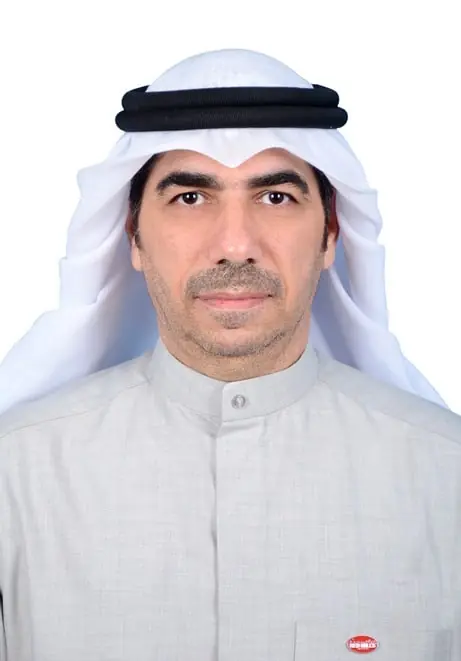
Mohammad Agha
Senior Sales Consultant, Arab Markets
Based in Kuwait, Mohammad Agha serves as the Senior Sales Consultant for Connolly’s RED MILLS Group, representing a prestigious portfolio of products including Connolly’s RED MILLS horse feeds, Foran Equine Supplements, and Carr & Day & Martin Equine care products across the Arabian markets.