

 Where to Buy
Muscle Max
Maximise muscle function, health and recovery with antioxidants
View Product
Exertional rhabdomyolysis (ER), also known as “tying-up,” is a condition that affects horses during or after exercise. It is a painful condition characterized by the breakdown of skeletal muscle fibres. It commonly affects racehorses and is more common fillies. Highly strung horses tend to be more predisposed to developing tying up.
This condition can be frustrating for horse owners and trainers, as it can lead to a range of signs and symptoms, varying in severity from mild discomfort to extensive muscle and kidney damage. Understanding the underlying causes of ER is crucial for implementing management strategies to reduce the likelihood of recurrence.
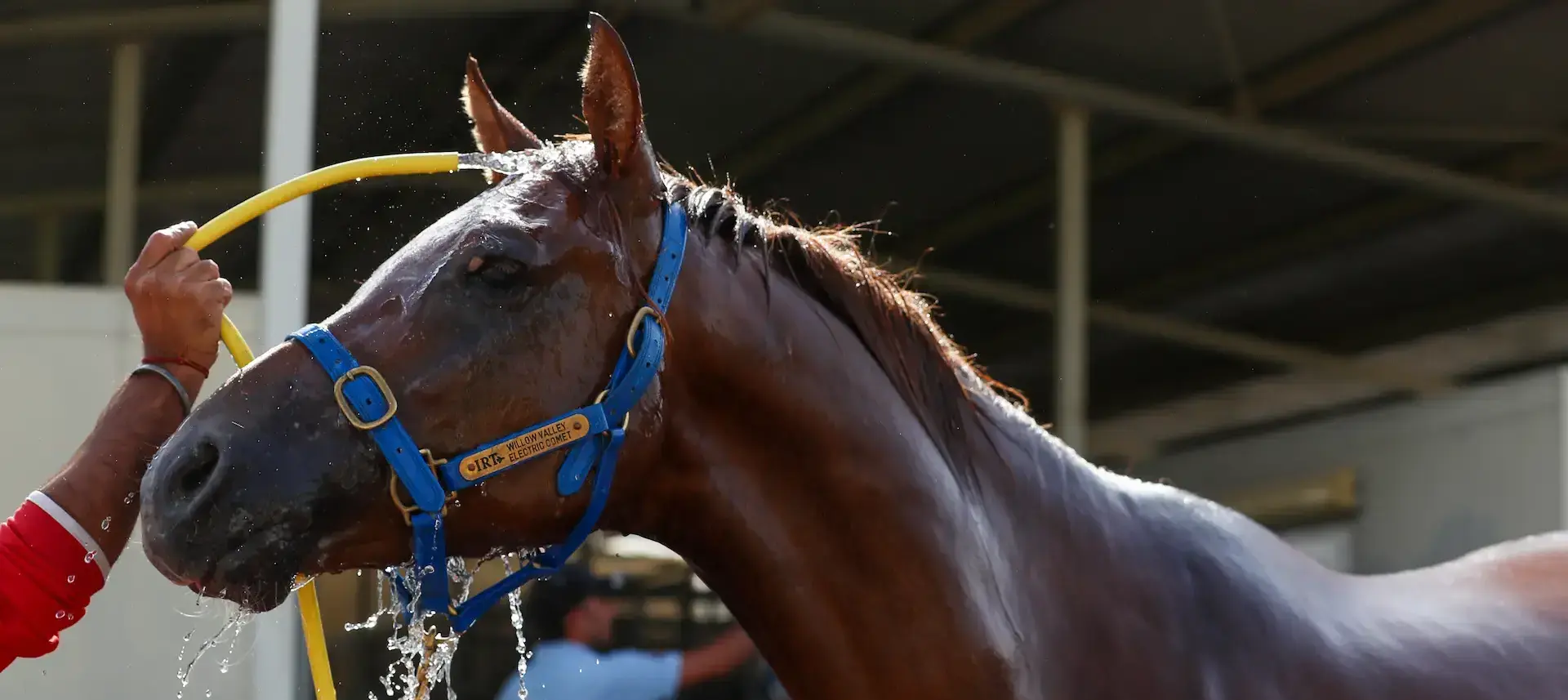
– Firm and painful muscles
– Stiff or awkward gait
– Reluctance to move
– Sweating
– Trembling & Shaking
– Increased heart and respiratory rate
– Reduced urine output (may be red or brown in severe cases)
– Recumbency (lying down, in very severe cases)
– Poor performance (mild or recurrent cases)
There are several potential causes of ER, including:
– High carbohydrate diet, especially when not matched to exercise levels.
– Vitamin deficiency, especially antioxidants.
– Electrolyte deficiency, often occurring after intense exercise and sweating.
– Excessive exercise relative to the horse’s fitness level.
– Dehydration.
– Heat exhaustion, especially in the hotter climates of the Middle East
To manage and prevent ER, consider the following measures:
– Adjust the horse’s diet according to its level of work, reducing starch levels (carbohydrates) when appropriate.
– Replace high-starch feed with alternatives like linseed oil or Cod Liver Oil.
– Ensure horse is adequately hydrated & provide electrolytes daily or as needed, such as Equi-Lyte G, which contains electrolytes, vitamin E, and vitamin C (antioxidants)
– Consider feeding a daily supplement rich in antioxidants & vitamins.
– Selenium supplementation can be beneficial (e.g., Muscle Max, V.S.L.).
– Make any change to exercise routines gradually and maintain consistent daily work.
– Use recovery-supporting products such as Refuel Gel.
For horses prone to recurrent ER, identifying the underlying cause can be more challenging. Some horses may have muscle defects, such as recurrent exertional rhabdomyolysis (RER), which is linked to abnormal intracellular calcium regulation. Other conditions like polysaccharide storage myopathy (PSSM) can also lead to ER.
If you suspect your horse has ER, it’s essential to contact a veterinarian promptly. They may perform blood tests to assess muscle damage and recommend appropriate treatment based on the severity of the condition. For horses with sporadic ER, identifying and addressing the trigger is essential to prevent recurrence.
Horses with repeated ER episodes, especially those with underlying causes like RER or PSSM, may require more specific management changes and treatments based on their individual needs. Consulting equine experts for further advice and considering products like those from Foran can be beneficial for managing your horse’s specific requirements.
References:
Valberg, S., Equine Exertional Rhabdomyolysis, Conference Sponsors, 2005.

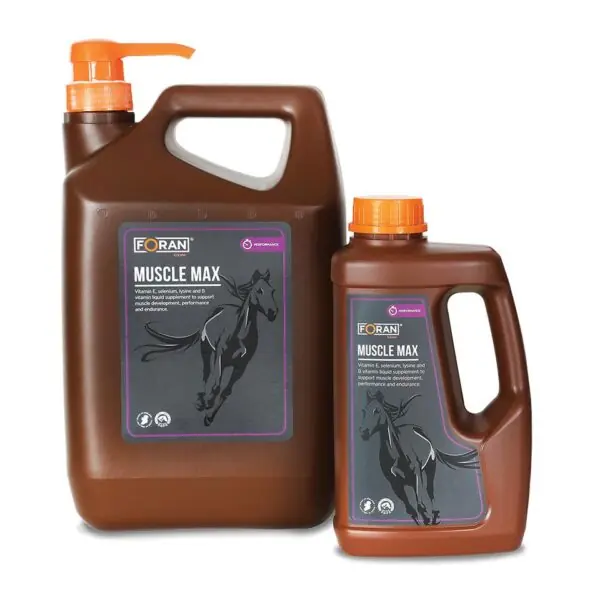
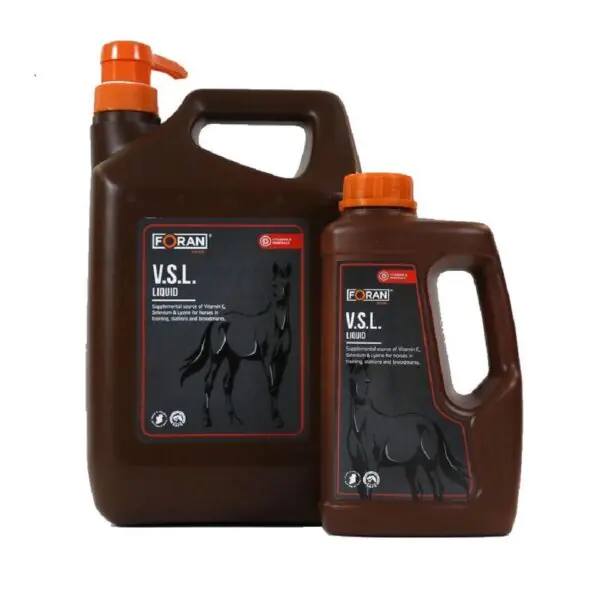
A Vitamin E, Selenium, and L-Lysine supplement to support racing, performance and breeding for muscle, condition, strength and vitality
View Product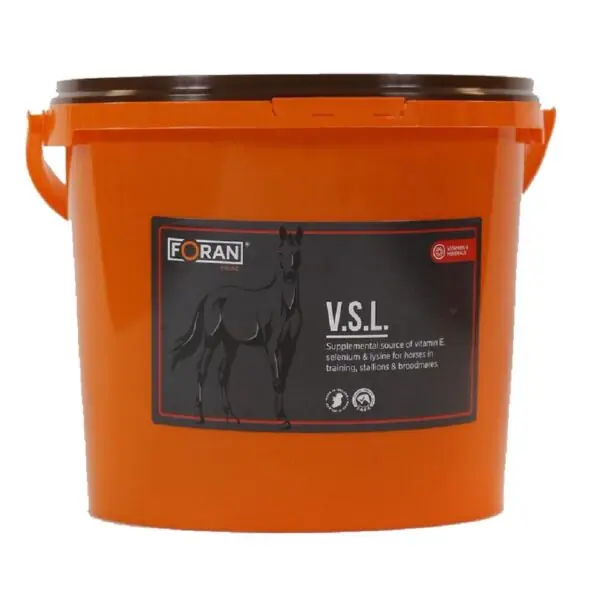
A powdered Vitamin E, Selenium, and L-Lysine supplement for muscle, condition, strength and vitality
View Product

Senior Sales Consultant, Arab Markets
Based in Kuwait, Mohammad Agha serves as the Senior Sales Consultant for Connolly’s RED MILLS Group, representing a prestigious portfolio of products including Connolly’s RED MILLS horse feeds, Foran Equine Supplements, and Carr & Day & Martin Equine care products across the Arabian markets.