

 Where to Buy
Muscle Prep
Optimise muscle development and topline condition utilising readily absorbed protein
View Product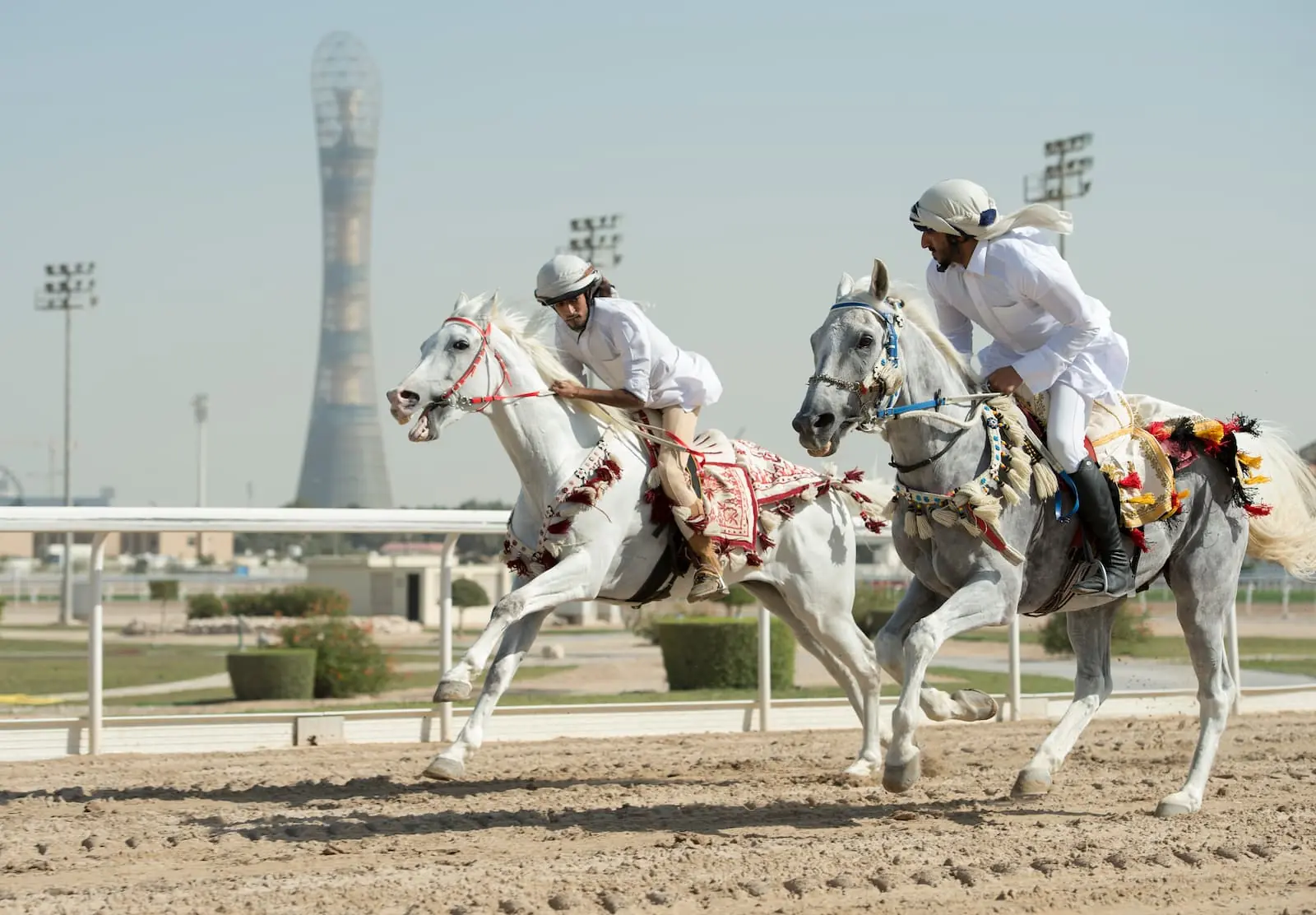
For years, scientists have strived to uncover the causes of tying up in horses. A leading researcher in this field is Dr. S Valberg. Dr. Valberg’s work has proven invaluable in comprehending muscle myopathies in horses, and more recently, she has unveiled a novel form of exercise intolerance known as Myofibrillar Myopathy (MFM).

Polysaccharide Storage Myopathy (PSSM) represents a chronic type of tying up in horses, with affected horses exhibiting abnormally high glycogen storage in their muscle cells. PSSM can be categorized into type 1 and type 2. In PSSM type 1, it is attributed to a genetic mutation in the Glycogen Synthase 1 (GYS1) gene. However, for horses with PSSM type 2, the causes of abnormal glycogen accumulation in the muscle cells are yet to be determined, although this may be linked to defects in one or more genes.
While developing new staining techniques to examine the muscles of horses with PSSM type 2, Dr. Valberg made a surprising discovery. Some horses diagnosed with PSSM type 2, especially Arabian horses and Warmbloods, exhibited abnormal clumping of a protein called desmin in their muscles.

This is of particularly interest for Middle East horse owners of Arabian racehorses who often suffer from tying up.
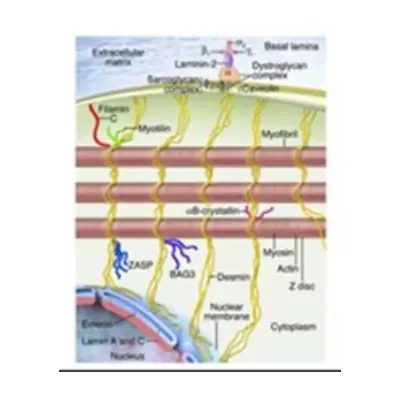
In healthy horses, desmin is located in specific areas within the muscle fibres and serves to align contractile proteins called sarcomeres. In muscle biopsies from horses suffering from MFM, the alignment of protein filaments in the muscle fibres deteriorates, and desmin accumulates in abnormal clumps near these breaks.
Muscle glycogen also accumulates in the spaces between the muscle fibers. This distinction is why some horses with MFM were previously misdiagnosed with type 2 PSSM.
With the introduction of desmin staining, horses with MFM can now be differentiated from other forms of tying up, including PSSM type 2.
According to Dr. Valberg, PSSM Type 2 might be an early stage of MFM, although it’s challenging to confirm this until the exact causes are identified. Some horses with MFM exhibit abnormal glycogen accumulations in their muscles, which explains the prior confusion with PSSM Type 2 diagnosis.
Clinical signs typically manifest during or after exercise and resemble other types of tying up. However, the severity of clinical signs in horses with MFM can be much milder and often present as vague and nonspecific symptoms (e.g., reduced energy levels, suboptimal performance, reluctance to engage hindquarters).

Antioxidants for horses, such as vitamin E, are essential for maintaining muscle health by protecting cell membranes from oxidative stress. Horses with myopathies tend to benefit from additional vitamin E supplementation Products like “Muscle Prep” and “Muscle Max” combine vitamin E for horses with essential amino acids for better muscle recovery in horses.


Adequate amino acids in the horse’s diet are important for muscle repair. Research suggests that cystine, a specific amino acid, plays a role in supporting horses with MFM. “Muscle Prep” is a great equine muscle recovery supplement containing cystine and other essential amino acids.
Horse Electrolytes are vital for normal muscle function, especially in horses in the Middle East, that sweat regularly during exercise or undergo intense training session such as endurance horses and racehorses (both thoroughbred and Arabian racehorses). “Equi-Lyte G” is recommended for horses prone to muscle myopathies, as it provides essential electrolytes and antioxidants for horses

A carefully designed strict diet that is low in starch and regular exercise plan that is low in stress are key factors in managing tying up (PSSM and MFM). Horses with these conditions can lead relatively normal lives with the right approach. The most suitable diet for a horse with tying up will depend on various factors, such as body condition and workload. Discussing your horse’s individual needs with a nutritional expert is recommended.
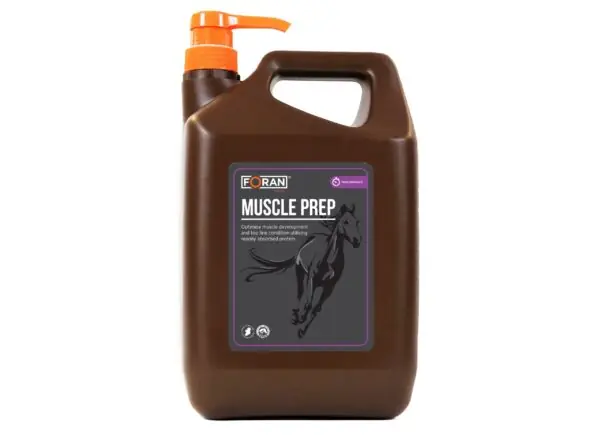
Optimise muscle development and topline condition utilising readily absorbed protein
View Product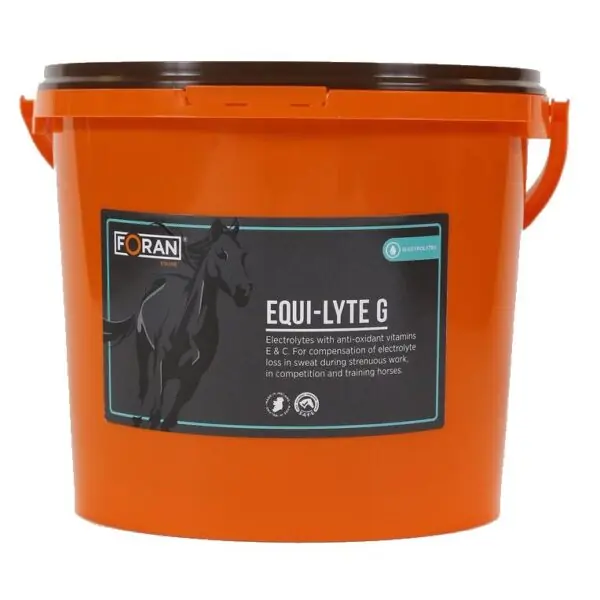
The ultimate package of balanced electrolytes and antioxidants to support muscle function and recovery
View Product


Senior Sales Consultant, Arab Markets
Based in Kuwait, Mohammad Agha serves as the Senior Sales Consultant for Connolly’s RED MILLS Group, representing a prestigious portfolio of products including Connolly’s RED MILLS horse feeds, Foran Equine Supplements, and Carr & Day & Martin Equine care products across the Arabian markets.