




 Where to Buy
When to Supplement: Vitamins and Minerals for Horses
Vitamins and minerals are crucial components of a horse’s diet, and while there’s a wealth of information available, it can be overwhelming to navigate. Different feed manufacturers vary in their vitamin and mineral content, with some offering none at all, while others adjust the levels based on the type of feed, such as performance or leisure.
When you provide a hard feed that includes a vitamin and mineral package, it can be perplexing when a nutritionist advises adding another source of these nutrients to your horse’s diet. This recommendation might be based on the amount of hard feed you’re giving, as insufficient feed may not meet your horse’s daily requirements. In cases where the horse feed lacks essential vitamins and minerals, supplementation becomes crucial to ensure a fully balanced diet.
Besides insufficient hard feed, there are several reasons to consider supplementing your horse’s diet with additional nutrients. These scenarios may include:
Good Doer: If you have a horse that requires little or no hard feed but still needs a balanced diet.
Specific Conditions: You may need to limit hard feed intake due to specific conditions, such as laminitis, insulin resistance, or equine metabolic syndrome.
Poor Appetite: A horse with a poor appetite may require concentrated nutrient intake to maintain health and stimulate appetite, including an increase in B vitamin intake.
Straights Diet: If you’re feeding a diet primarily composed of straights like oats or barley, which are commonly fed in the Middle East, these diets are naturally low in certain vitamins and minerals and need to be balanced properly with a vitamin/mineral supplement.
Forage-Only Diet:Some horses may be on a hay-only diet, requiring additional nutrient supplementation.
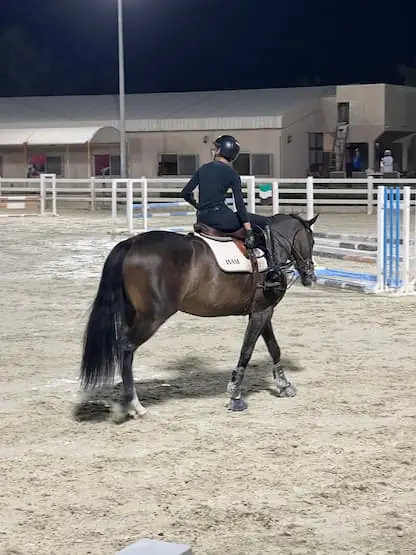
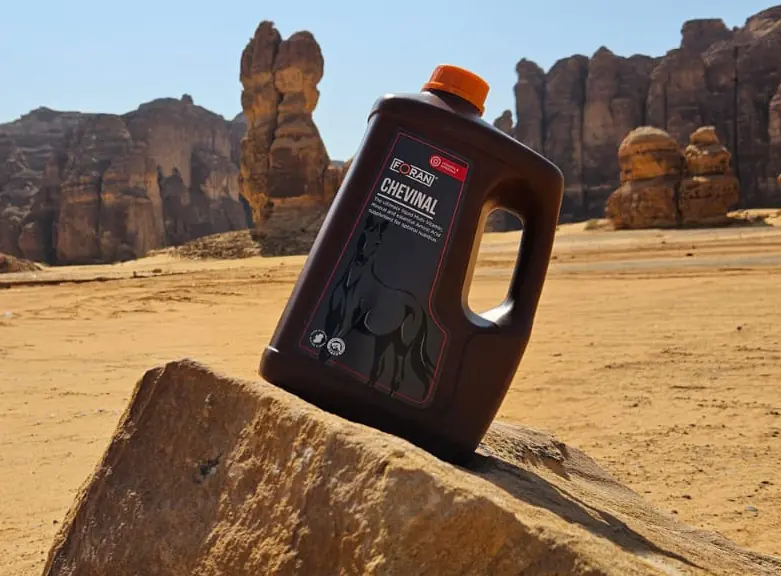
Foran Equine Chevinal is a highly palatable vitamin & mineral supplement for horses in a liquid format that provides a comprehensive range of vitamins, minerals, and the essential amino acids lysine and methionine. It can address these issues and optimize your horse’s nutritional intake. Chevinal can be administered orally or added to your daily feed ration, reducing the need for excessive hard feed.
Ensuring a well-balanced diet without unwanted calories is crucial for “good doers.” Monitoring the horse’s body condition score (BCS) is essential, with a target score of 3 out of 5. Feeding should be adjusted based on BCS and exercise levels. If your horse’s exercise level decreases, you can modify hard feed intake and incorporate an equine vitamin & mineral supplement like Foran Equine Chevinal to maintain a balanced diet without excessive calories.
Providing a well-balanced diet for your horse while managing calorie intake can be challenging. If you need guidance on meeting your individual horse’s nutritional needs and optimizing their well-being throughout the year, don’t hesitate to reach out to our nutritional experts.
Related Nutritional Articles

Best Supplements for the Dressage Horse
Best Off-Season Supplements for Horses
Your Nutri-Gard Questions Answered
Contact our sales team via WhatsApp or email


Mohammad Agha
Senior Sales Consultant, Arab Markets
Based in Kuwait, Mohammad Agha serves as the Senior Sales Consultant for Connolly’s RED MILLS Group, representing a prestigious portfolio of products including Connolly’s RED MILLS horse feeds, Foran Equine Supplements, and Carr & Day & Martin Equine care products across the Arabian markets.