




 Where to Buy
Which Multivitamin and Mineral Supplements for Best Health?
Multivitamin and mineral supplements for horses can serve as valuable tools to boost a horse’s intake of essential nutrients and provide peace of mind, especially when concerns arise about potential nutritional gaps.
Specifically designed for equine use, Chevinal is a palatable liquid vitamin and mineral supplement for horses that is packed with essential vitamins, minerals, and amino acids, offering a well-balanced and optimal nutritional solution.
When to Consider Vitamin and Mineral Supplements for Your Horse
Several situations warrant additional vitamin and mineral support for horses, particularly when they encounter challenges in nutrient intake or digestive capability:
1. Recovery After Illness or Surgery
Horses recovering from illness or surgery face increased nutritional demands. Fighting infections, inflammation, or the medications used to treat them can affect the horse’s metabolism and heighten the need for specific nutritional components, such as vitamins and minerals. For instance, vitamins and minerals are crucial for the healing process, and their depletion occurs more rapidly during illness. Furthermore, energy and protein requirements rise during periods of illness, with the immune system requiring optimal nutrition to function effectively. Inappetence or changes in dietary quality can compound the nutritional needs during recovery, making supplementation essential for maintaining recovery and returning to normal condition.
2. Older Horses and Supplements
Aging horses experience reduced digestive efficiency, leading to decreased nutrient absorption. While their workload may decrease, their nutritional requirements change as they age, necessitating adjustments in feed quality to support their evolving metabolic and nutritional needs. Older horses, in particular, benefit from antioxidant supplements such as vitamin E, selenium, and vitamin C to support their health.
3. Horses on Poor-Quality or Low-Intake Diets
The nutritional quality of a diet is determined by its total nutrient content, including macronutrients like protein, fats, and carbohydrates, as well as micronutrients such as vitamins and minerals. Low-quality diets, often cheaper due to the absence of essential components, can lead to nutritional gaps and hinder a horse’s overall well-being. Low-intake diets, like those of obese horses relying on conserved forage, are prone to vitamin deficiencies. Supplementation can rectify these deficiencies by enhancing the intake of vital amino acids, minerals, and vitamins.


4. Horses Fed Straight Grains or Forage-Only Diets
Traditional equine diets based on straight grains, as is commonplace in the Middle East, tend to lack essential vitamins and trace minerals. Imbalances in micronutrients, particularly calcium and phosphorus, can pose a problem, especially for horses with higher nutritional demands, such as performance horses or breeding horses Supplementation with essential nutrients like vitamins and minerals becomes essential in such cases.
5. Breeding Horses
Breeding animals, including working stallions, breeding mares, and young, growing horses, exhibit heightened requirements for essential amino acids, vitamins, and minerals. Many micronutrients play critical roles in growth and development, and deficiencies in breeding stock, especially in pregnant mares and young horses up to three years old, can have lasting, irreversible consequences. Thus, providing adequate nutritional support becomes paramount.
Understanding Vitamins and Their Functions
Vitamins are organic compounds that the body requires in small quantities to maintain essential functions. Some vitamins are deemed “essential” because they cannot be synthesized within the body and must be obtained from the diet. Even for vitamins that can be produced in the body, the synthesis may not always suffice to meet requirements.
Vitamins can be categorized into two groups: water-soluble and fat-soluble.
Water-Soluble Vitamins:
– B vitamins
– Vitamin C
Fat-Soluble Vitamins:
– Vitamin A
– Vitamin D
– Vitamin E
– Vitamin K
B Vitamins for Horses:
This group of vitamins, denoted by a numerical suffix (e.g., B1) or scientific names (e.g., Thiamine), participates in energy release from carbohydrates, proteins, and fats. Many B vitamins serve additional crucial functions. For instance, Vitamin B7 (biotin) supports coat and hoof health and can help stimulate appetite. While the horse’s hindgut microbes are responsible for producing B vitamins, certain circumstances, like compromised hindgut health or increased stress, may lead to insufficient production. B-Complete, our comprehensive Vitamin B supplement for horses provides essential B vitamins for optimal metabolism, red blood cell production, and appetite maintenance.
Vitamin C for Horses:
Essential for normal immune system function and healing, Vitamin C collaborates with Vitamin E in antioxidant action. While horses can synthesize vitamin C in their liver, additional supplementation during periods of stress or strenuous activity can be advantageous.
Vitamin A for Horses:
Vitamin A is involved in numerous functions, including antioxidant activity, eye and skin health, immune function, and reproductive health. Since it cannot be produced in the body, ensuring its intake is essential.
Vitamin D for Horses:
Necessary for calcium absorption from the gut, making it particularly crucial for young growing horses and broodmares. Vitamin D can be synthesized through sunlight exposure, but stabling and rugs may hinder this process.
Vitamin E for Horses:
One of nature’s most abundant antioxidants, Vitamin E combats unstable particles known as free radicals through a process called oxidative stress. Foran Equine’s Vitamin E Supplement for horses offers antioxidant action in a powdered format and can be easily added to daily feed. V.S.L combines Vitamin E with selenium and the essential amino acid lysine for horses, making it particularly beneficial for breeding animals.
Vitamin K for Horses:
Essential for blood clotting and bone health, Vitamin K can be stored in the liver.
Understanding Trace Minerals and Their Functions
Trace minerals, also known as “trace elements,” are inorganic substances that the body requires in small quantities to perform essential functions. Since the body cannot synthesize these minerals, they must be supplied through the diet, and the body can store some of them.
Due to their inorganic nature, the absorption of trace minerals from the intestine may be poor. However, this can be improved by chemically binding the mineral to a protein or sugar molecule, a process known as chelation, which enhances their absorption.
Key Trace Minerals for Horses:
– Copper
– Iron
– Selenium
– Iodine
– Cobalt
– Manganese
– Zinc
Copper for Horses:
Copper plays vital roles in soft tissue growth, hair pigmentation, red blood cell production, and skeletal development. Copper Supplements for horses like Coppervit contain chelated copper to improve bioavailability, along with manganese, vitamin E, and vitamin B12 for horses. This is particularly beneficial for areas with copper deficiency. For rapid correction, Copper-Max delivers the highest dose of chelated copper in an easy-to-administer oral paste, complemented by zinc for balanced absorption.
Iron for Horses:
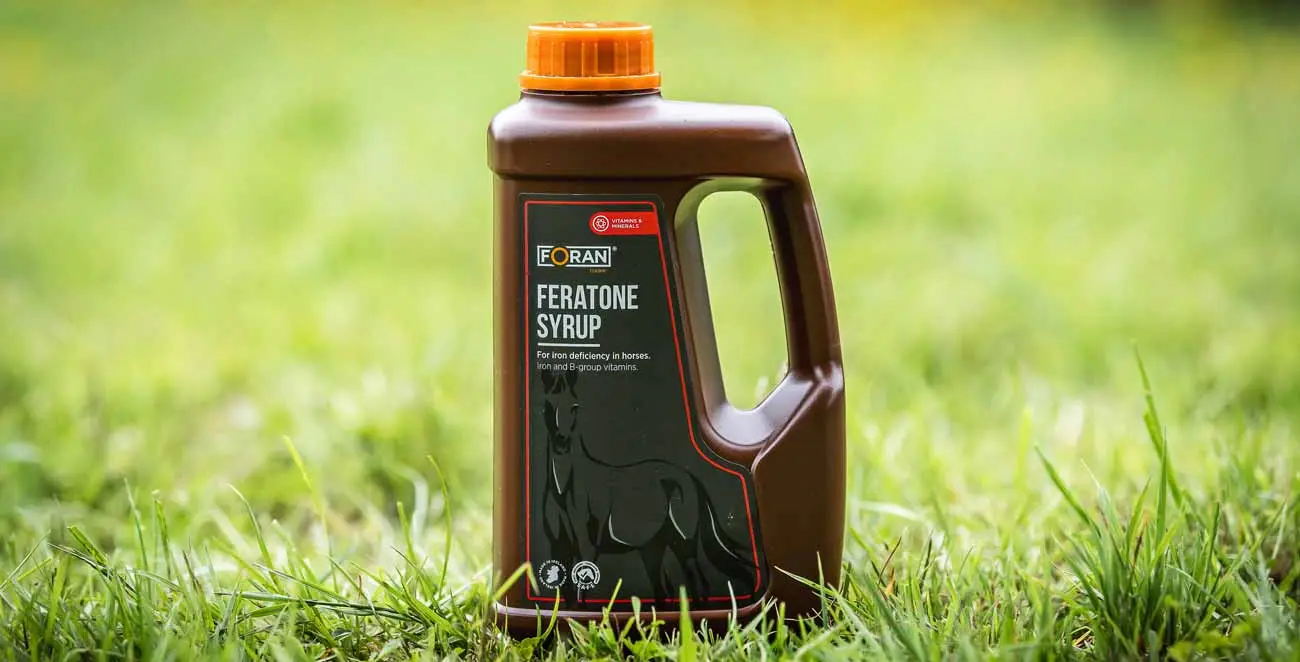
Iron is essential for hemoglobin formation, the molecule responsible for carrying oxygen throughout the body. While iron deficiency is rare in horses, some circumstances can lead to anemia. Feratone offers high iron concentration in an easily absorbed form, along with B vitamins to support red blood cell function.
Selenium for Horses:
Selenium plays a crucial role in the body’s antioxidant defence mechanisms. The proper functioning of an enzyme involved in a specific type of antioxidative function is reliant on selenium availability. Supplements like V.S.L contain selenium supported by Vitamin E in powdered or liquid form.
Iodine for Horses:
Iodine is integral to thyroid function and fertility, with thyroid hormones regulating energy utilization and metabolism within the body.
Cobalt for Horses:
Cobalt plays a crucial role in the synthesis of Vitamin B12 (cobalamin), which is essential for the efficient release of energy from nutrients.
Manganese for Horses:
Manganese is indispensable for the metabolism of carbohydrates and fats. Additionally, it contributes to the production of joint cartilage.
Zinc for Horses:
Zinc serves as a vital co-factor in numerous enzyme reactions within the body. It plays a particular role in promoting hoof and skin health, as well as supporting wound healing.
Selecting the Right Multivitamin and Mineral Supplement for Your Horse
When choosing a multivitamin and mineral supplement for your horse, consider the following factors:
1. Use Supplements Specifically Designed for Horses: Ensure that the supplements you select are formulated to meet the unique needs of horses.
2. Evaluate Variety and Concentration: Compare products based on the diversity and concentration of vitamins and minerals they offer. The choice should align with the intended purpose of supplementation. Choose a supplement with a wide range of vitamins and minerals when you aim to enhance overall nutrient intake. In cases where specific issues are identified or suspected, targeted supplements with high concentrations of selected vitamins or minerals may be more suitable.
3. Prioritize Quality: Quality can vary among products. Pay attention to the quality of raw ingredients, as well as their bioavailability. Look for supplements that prioritize practical formulations. Foran Equine’s facilities are approved for manufacturing human-grade products and adhere to Good Manufacturing Process (GMP) standards. The majority of Foran Equine products are manufactured in-house, ensuring tight control over quality, safety, and formulation. They use superior quality and bioavailable minerals and pharmaceutical-grade raw materials. Rigorous product testing guarantees batch consistency and compliance with anti-doping regulations.
4. Consider Practicality: Reflect on the practical aspects of administering supplements to your horse. Factors to contemplate include your horse’s preference for powder, liquid, or paste formulations, as well as the feasibility of daily supplementation versus one-time administration.
How to Administer a Vitamin and Mineral Supplement to Your Horse
When giving your horse a vitamin and mineral supplement, observe these guidelines:
– Follow the usage instructions provided on the product.
– Adhere to the recommended feeding rates.
– Be mindful of use-by dates, as the stability of organic molecules like vitamins decreases over time.
– Powdered formulations can typically be sprinkled on the horse’s feed. Ensure that your horse consumes its entire meal to receive the full supplement dose. Horses that are finicky eaters may benefit from liquid or paste/gel formulations.
– Avoid over-supplementation, as horses have limited capacity to absorb certain nutrients. Excessive supplementation can be wasteful and potentially harmful. For instance, over-supplementing iron may result in the elimination of excess nutrients, while over-supplementing iodine can be toxic to horses.
If you require expert guidance on choosing multivitamin or mineral supplements for your horse, don’t hesitate to contact one of our equine nutrition specialists.
Related Nutritional Articles

Best Supplements for the Dressage Horse

Best Off-Season Supplements for Horses
Your Nutri-Gard Questions Answered
Contact our sales team via WhatsApp or email


Mohammad Agha
Senior Sales Consultant, Arab Markets
Based in Kuwait, Mohammad Agha serves as the Senior Sales Consultant for Connolly’s RED MILLS Group, representing a prestigious portfolio of products including Connolly’s RED MILLS horse feeds, Foran Equine Supplements, and Carr & Day & Martin Equine care products across the Arabian markets.