
 E-Store
 Where to Buy
Impact of Winter on Racehorse Performance
Did you know autumn through winter represents a period for the horse where metabolically they should be “shutting down” to preserve energy stores and maximise the chances of surviving winter in optimal condition?
Metabolic Challenges and Seasonal Changes
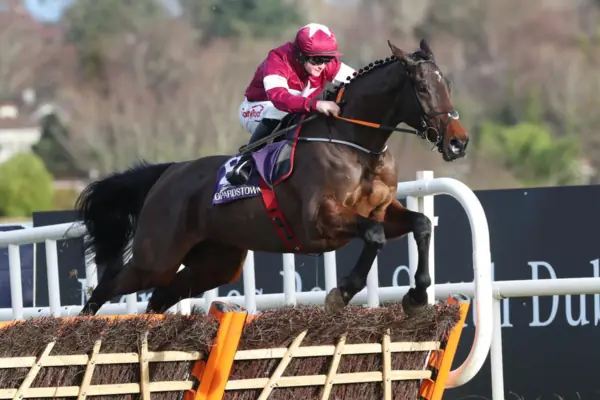
The National Hunt racehorse is therefore not only fighting these natural metabolic changes, but they are also dealing with intense exercise in demanding circumstances on bottomless ground one week and freezing temperatures the next, they’ll have disruptions to their training regimes, and a depressingly low level of daylight. It is therefore fair to say that keeping a National Hunt racehorse in optimal health and prime condition for racing is quite the challenge and that is before we even get them to a racetrack!
Higher Risk of Illness in Winter
Naturally, just like humans, horses can be more prone to illness during the winter months. Close living quarters, reduced likelihood for turnout and often reduced ventilation due to the adverse weather conditions, can all increase the spread of pathogens and resulting infections. In addition, the immune system of these horses will be further challenged when faced with compulsory vaccinations for viruses such as influenza and EHV. While they are essential, these vaccinations can place additional pressure on the horse’s immune system and therefore overall health, wellbeing and performance.
Vaccinations and Immune Stress
Providing targeted short-term nutritional support through the depths of winter, a period of illness or around vaccinations can help to avoid the potential need for prolonged time off or reduced performance following vaccinations; there is research that shows an elevated intake of certain key nutrients, such as vitamin E and selenium, can even enhance the response of a horse to their vaccine. It may be beneficial to just focus in on these specific nutrients for a short period of time leading up to the vaccination and for a week or so after, but a more all-round boost to immune health is better.

Supporting Immune Health Through Nutrition
Key Vitamins and Minerals
Providing an enriched intake of multiple vitamins, minerals, and key amino acids across the period of vaccinations can help to maintain overall health and performance, while also supporting an optimal vaccination response. An enriched source of nutrients can also help support horses if they are fighting off or recovering from viruses that NH yards often fall foul of in the winter months.
Gut Health for Immune Function
As well as traditional nutritional support there is an ever-increasing understanding of how gut health plays a significant role in immune function and health. Providing functional ingredients through the diet such as pre, pro and postbiotics can provide additional immune support at crucial times, such as vaccinations and illness. Postbiotics are increasingly used in equine nutrition to support the health of the microbiome and in turn the immune system. With an immune system in optimal health NH horses will be better prepared to deal with the challenges of their season, including vaccination schedules and illness, and as such we can minimise any potential impacts on performance and disruptions to training regimes.
Recommended Foran Equine Supplements
CHEVINAL – Immune and Nutritional Support
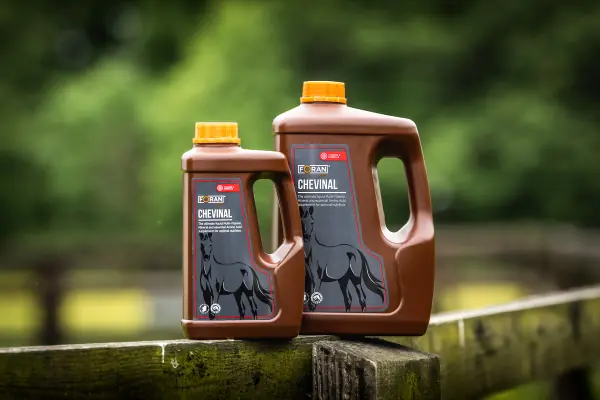
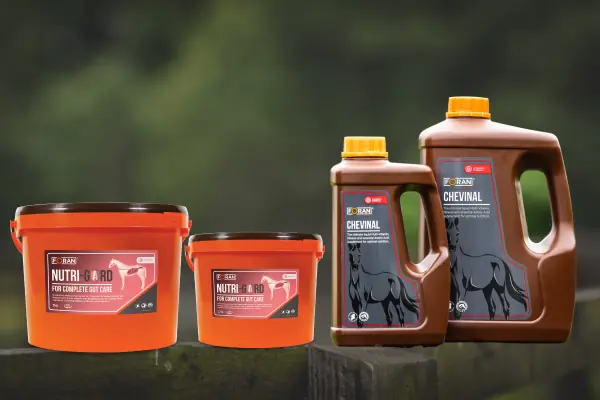
Foran Equine CHEVINAL enriches the dietary intake of key nutrients including vitamin E, selenium, copper and zinc, as well as amino acids such as lysine, known to support immune function and health. It can be of huge benefit to support the racehorse in testing training periods.
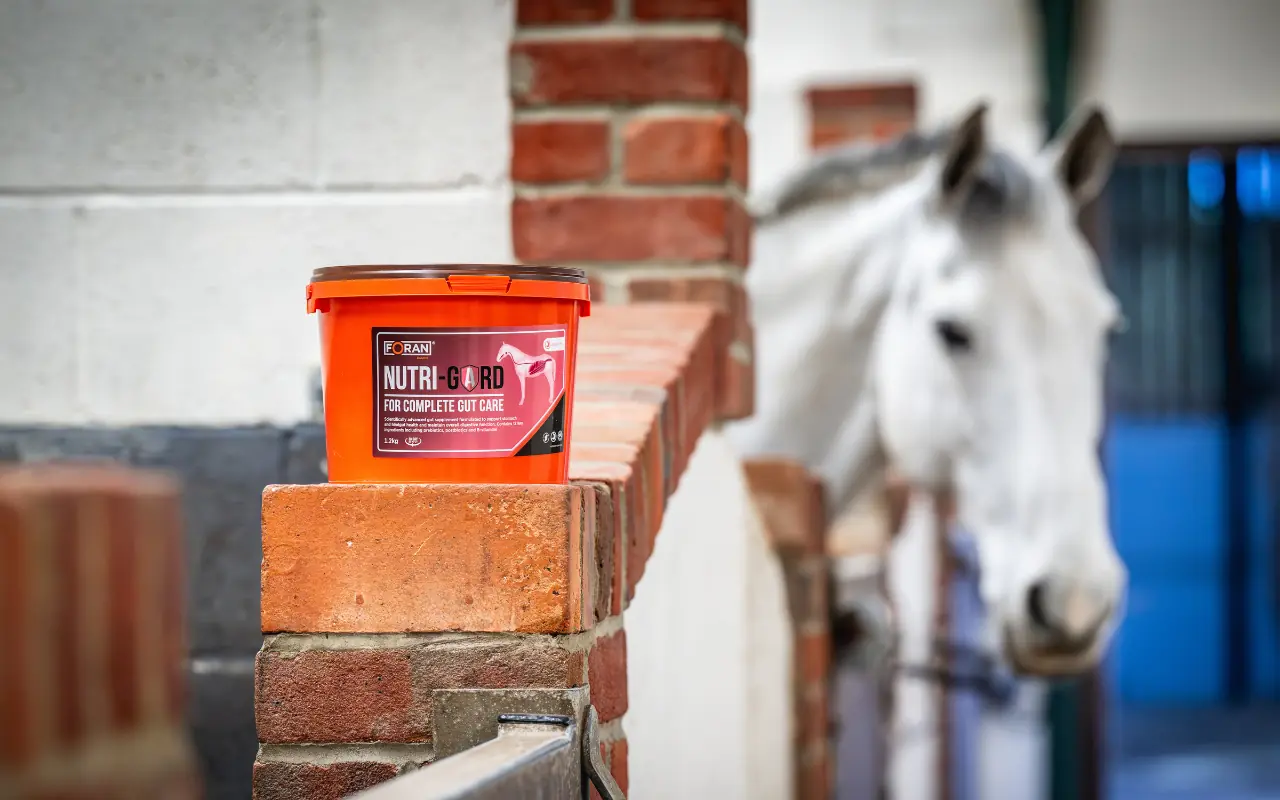
NUTRI-GARD – Gut and Digestive Health
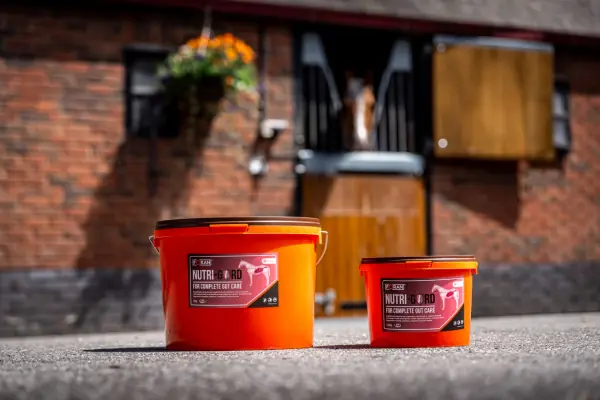
Foran Equine NUTRI-GARD provides several ingredients that will support gastro-intestinal health including prebiotics and B-vitamins. Additionally, it provides the research proven supportive level of postbiotics in each daily dose shown to support immunity and resilience facilitating consistent performances across the season.
Related Blogs
Racehorse Bone Health Nutrition Early Training
NUTRI-GARD: Did You Know?
Dublin Horse Show Essentials