
 E-Store
 Where to Buy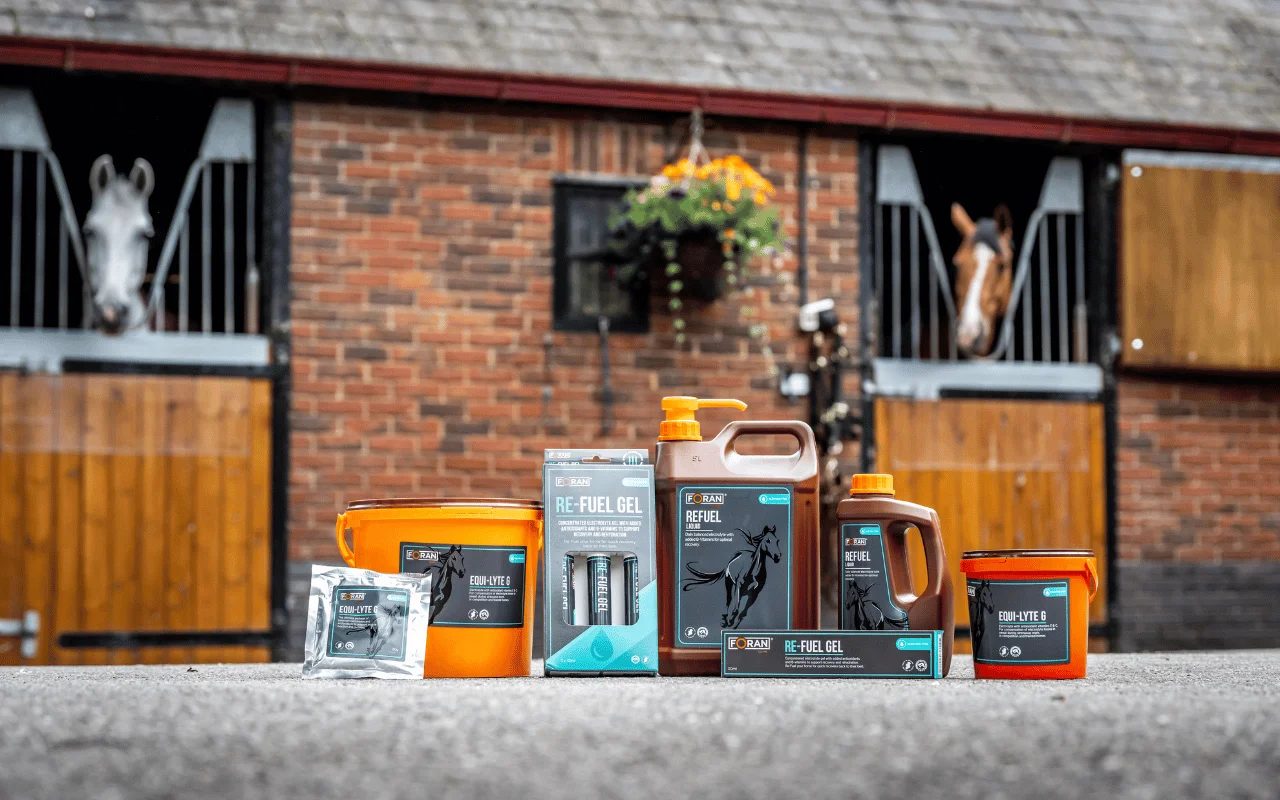
The use of electrolytes in racing yards
The use of electrolytes is commonplace in most racing yards. It is well understood how important they are to the performance and recovery of racehorses in training. Recently this hot weather has made their inclusion in the diet even more necessary. However, there is often confusion and a lack of clarity around:
- The need to supplement and why their feed is not enough.
- When they need them.
- What is the best way to feed them.
Horses lose electrolytes predominantly through sweat and urine and they generally replenish maintenance levels through hard feed and forage intake. However, more effective, tailored replenishment is required for horses in intense training, and this is achieved through supplementation. To find out what electrolytes actually do in the body take a look at ‘Essential Guide to Electrolytes for Horses‘
Deficiencies and/or electrolyte imbalances in racehorses can be associated with poor recovery, an increased incidence of tying up, cardiac impairment (e.g. atrial fibrillation from potassium depletion) and the occurrence of synchronous diaphragmatic flutter, more commonly known as “thumps” or “hiccups”.
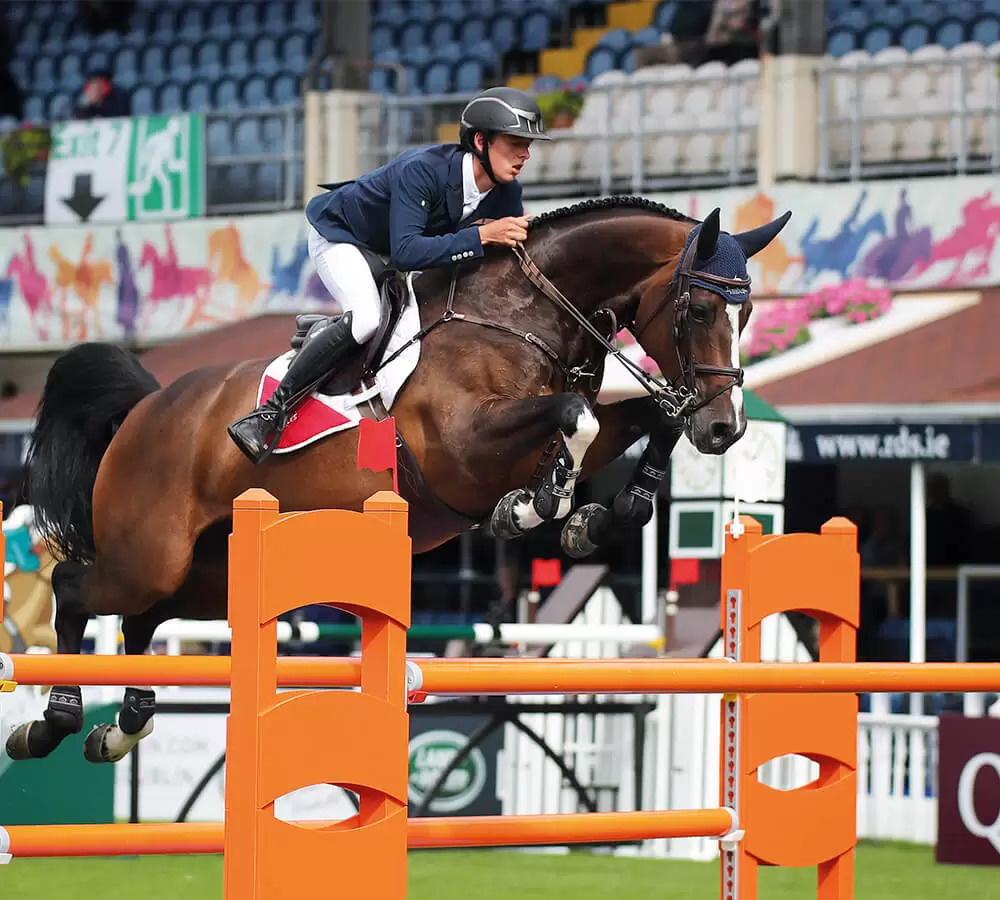
“It is all in the feed” is a common misconception when considering the need for electrolyte supplementation. In hot, humid conditions the hard exercising horse may lose up to 15 litres/hour of sweat containing approximately 10g of electrolytes/litre lost. If feed manufacturers included enough salt in feed to cover such extreme losses, then they would end up with an excessive intake in most horses, as well as reduced palatability. Plus, because salt attracts water, high levels in commercial feeds would result in an increased risk of spoilage.


So, the answer for racehorses is supplementation.
Always supplement when the horse has sweated significantly or has moderately sweated day after day in hot weather. This seems obvious really, but we often underestimate sweat and therefore electrolyte losses, depending on air temp and wind speeds, sweat can rapidly evaporate, which is its primary function to cool the horse, the horse is often dry on returning to the stable, and the need for electrolyte supplementation is overlooked. Similarly, travel may cause the horse to sweat and urinate excessively, but as the horse hasn’t ‘exercised’ and may be dry on arrival, the need for electrolyte supplementation is again overlooked or at best underestimated.
There are pros and cons to adding powdered electrolytes to water or feed. Water can be tricky as although electrolytes do dissolve in water, various things will affect this, including water temperature and whether you are prepared to continually stir the water until they are fully dissolved. If you just drop a tablespoon of salt into the bottom of a water bucket it will likely just stay there, with minimal amounts dissolving unless stirred regularly. Another issue with mixing electrolytes into the horse’s water is that the presence/taste of electrolytes can put them off drinking, this is counter-productive when trying to promote rehydration. It’s also impossible to monitor the amount of water a horse consumes from automatic waterers; we all know we can lead a horse to water, but we can’t make it drink. So, although it is possible to mix electrolytes into the horse’s automatic waterers or water buckets, it is not recommended and often results in failure to adequately replenish electrolytes losses, which will detrimentally effect recovery and performance.
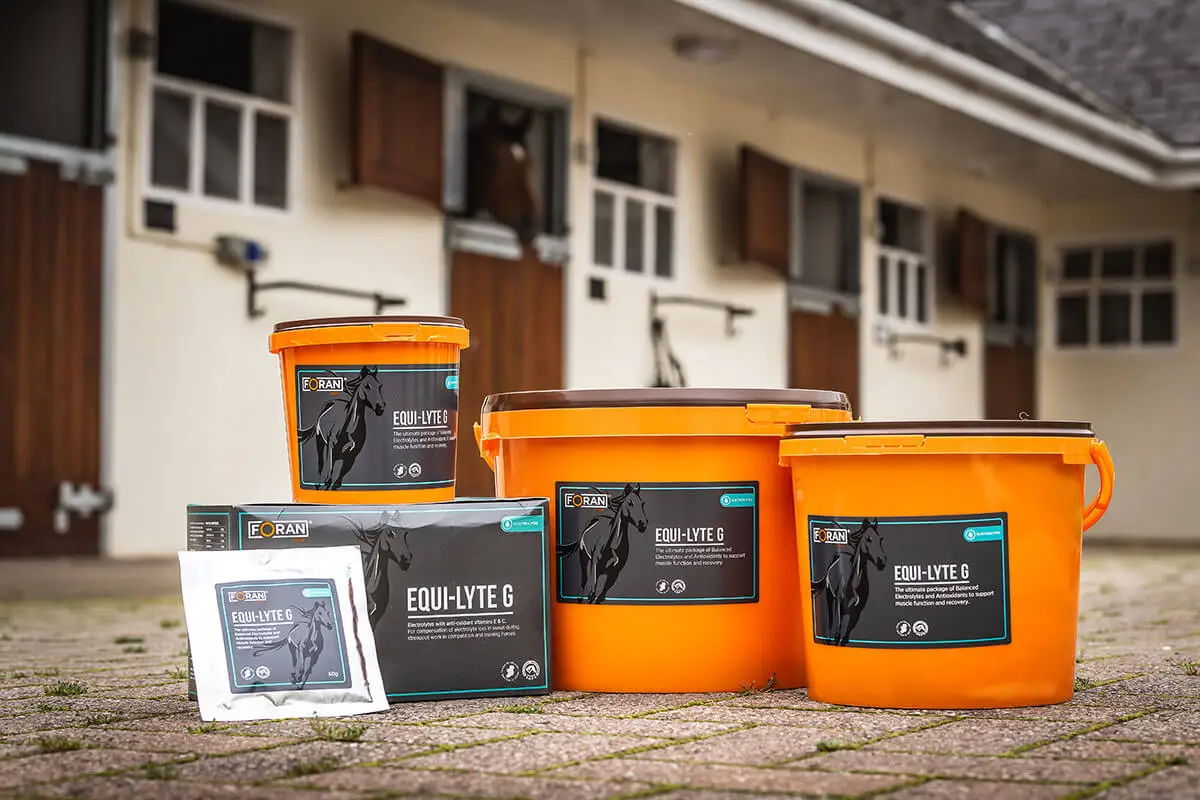

The best way to supplement electrolytes is to place them in the feed – this way you know exactly how much the horse is getting. However, it’s vital that you choose a supplement that is palatable so as not to put the horse off eating, especially when they are recovering from hard work or after a race. Foran Equine EQUI-LYTE G is a highly palatable, premium electrolyte supplement formulated to effectively replenish electrolyte losses, and it has the added benefit of a vitamin E and C inclusion to aid recovery. You can also add some chaff to the feed and a small sprinkle of water to help the powder stick to the cube/chaff.
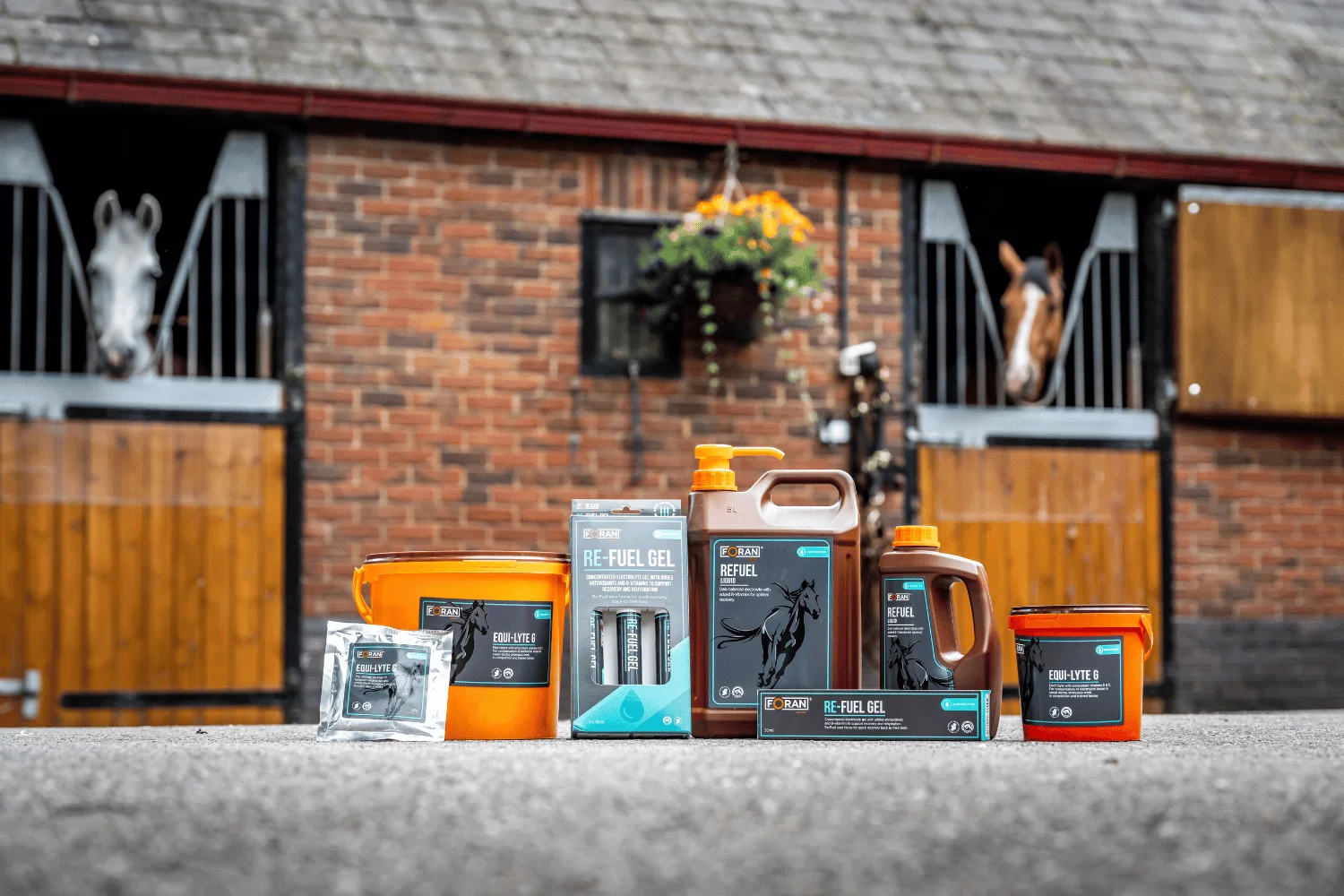
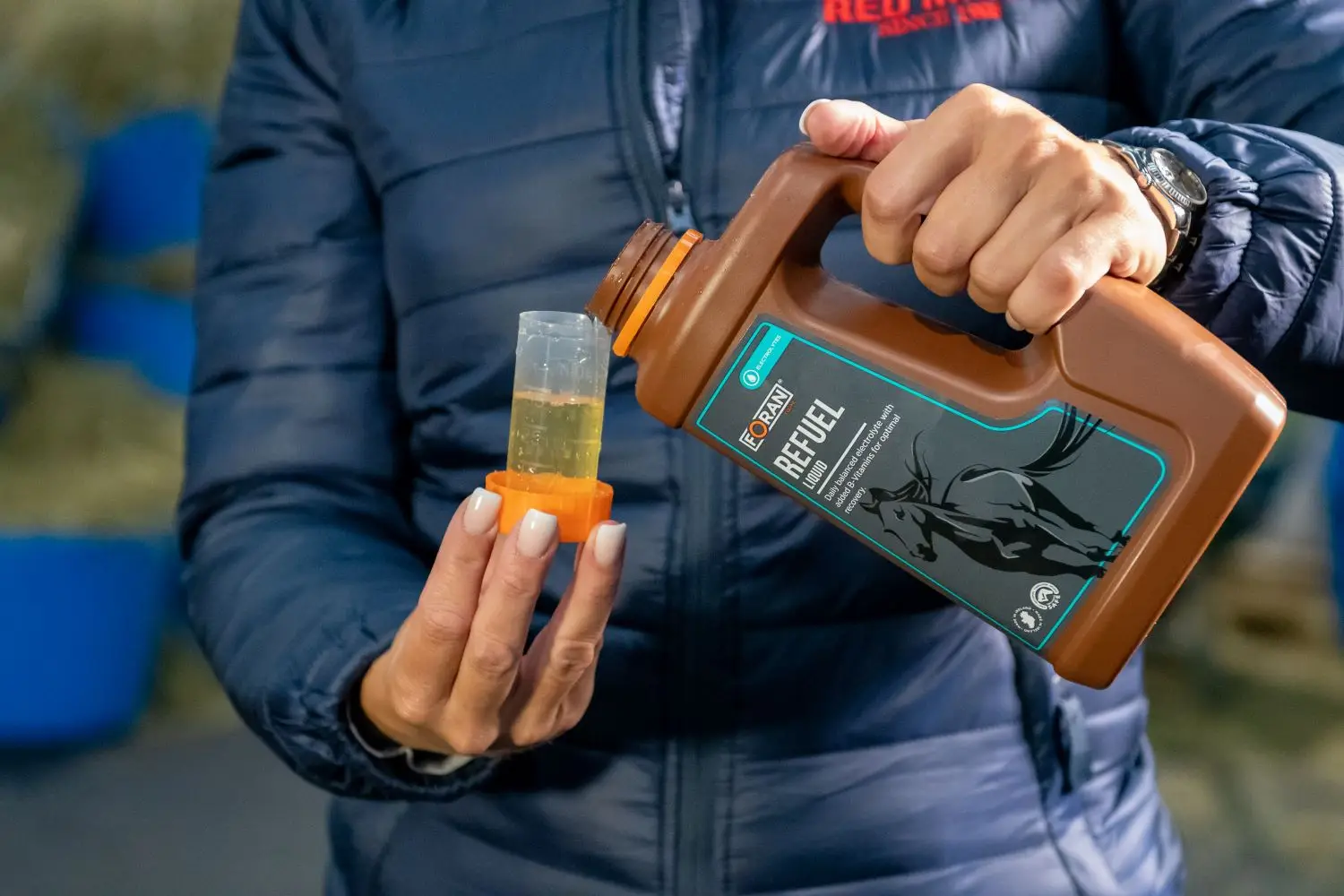
If you prefer a liquid electrolyte, Foran Equine RE-FUEL LIQUID is ideal. This can be added to water but the difficulties in ensuring and monitoring intake remain, therefore it is best to add it to the feed. Convenient syringe-based products are also available such as Foran Equine RE-FUEL GEL, these allow for direct oral administration, but they should not be given on an empty stomach, and the horse must always have access to water. For more information on these products and how to use them.
Related Nutritional Articles
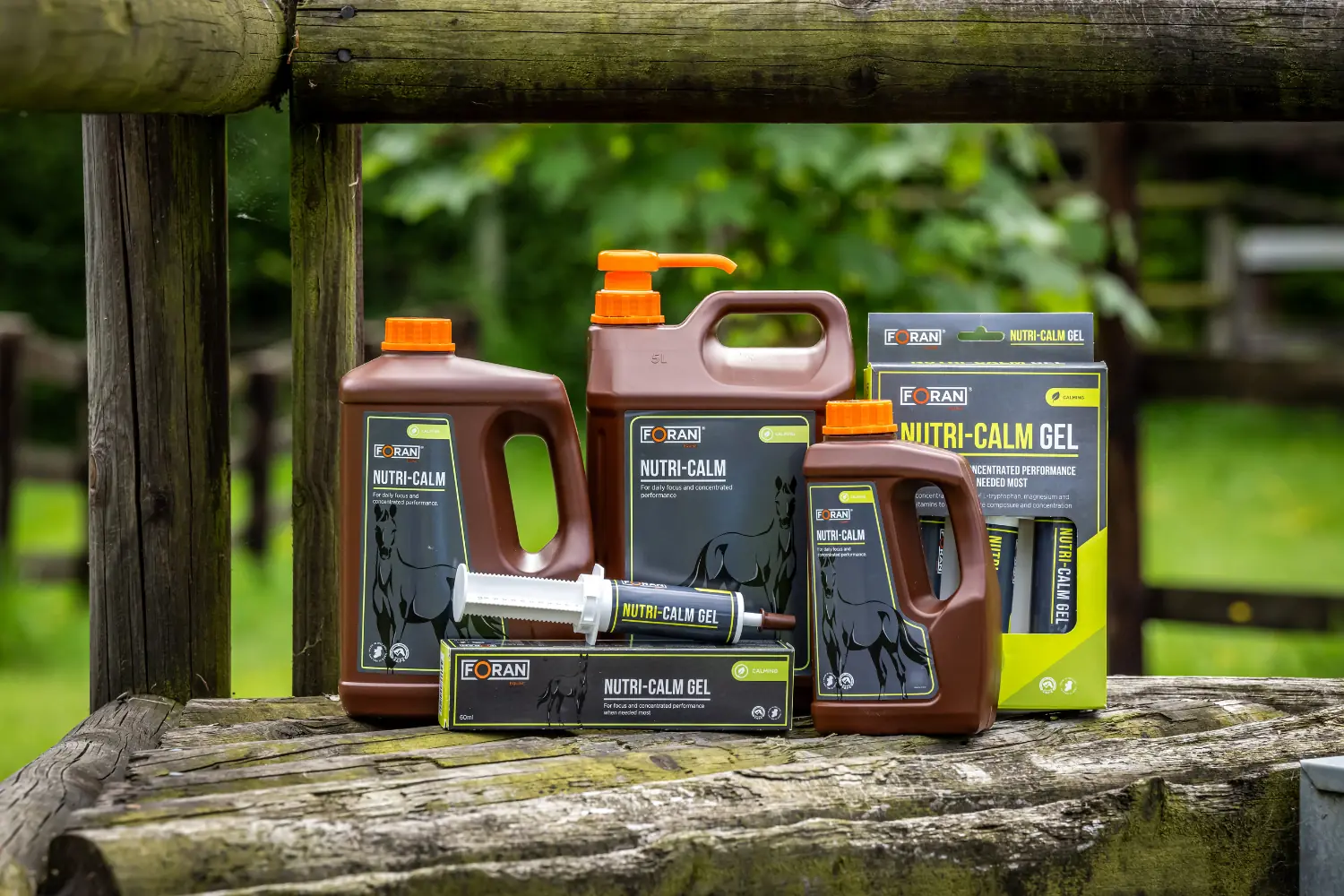
NUTRI-CALM LIQUID vs NUTRI-CALM GEL

Competition Day Energy & Recovery for Horses
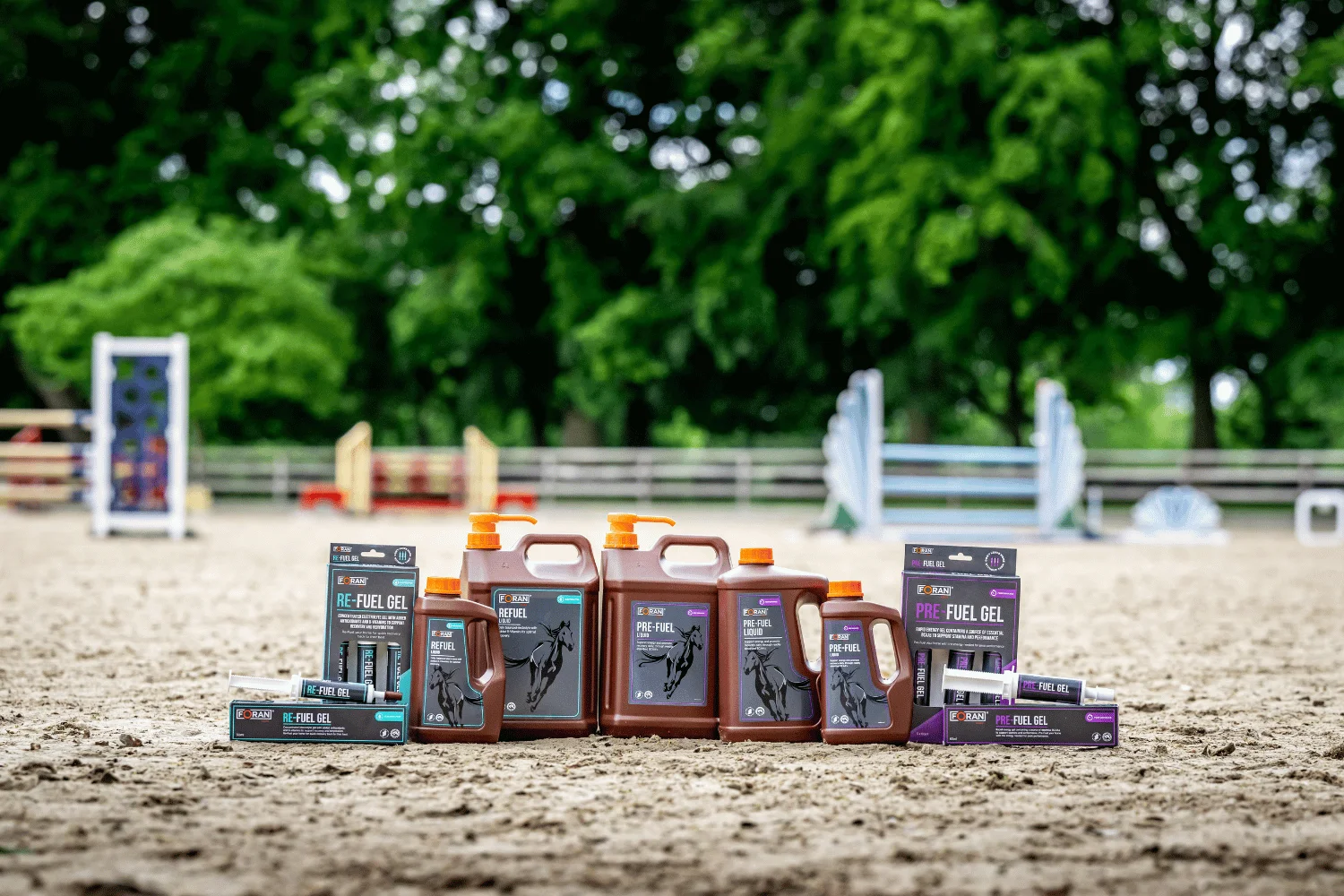
Your PRE-FUEL & RE-FUEL FAQs: Energy, Performance & Recovery