

 E-Store
 Where to Buy

Why Pollen Season Impacts Racehorse Performance
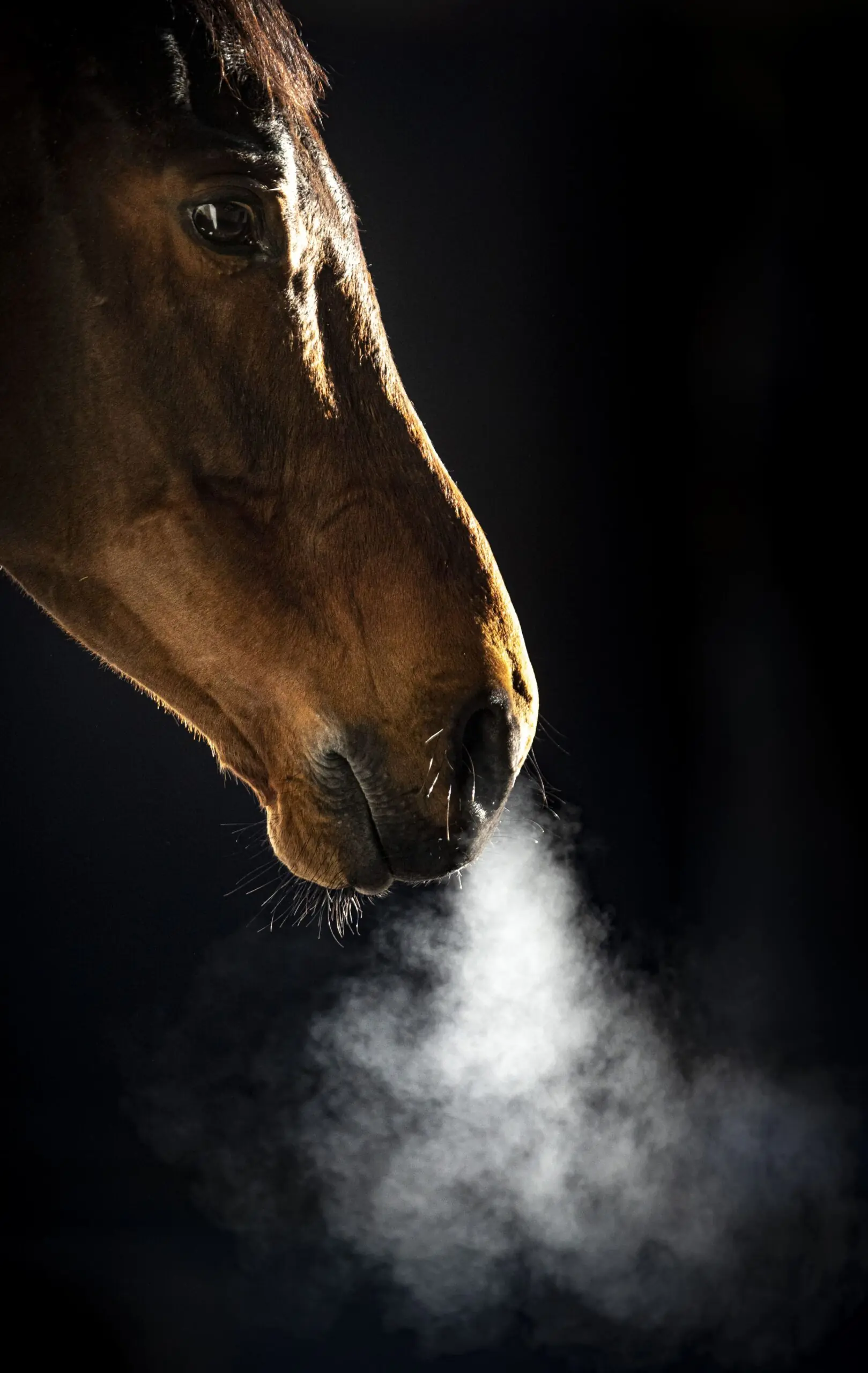
The sun is shining, warm breezes are blowing, but high pollen levels can trigger respiratory issues in horses. For most people it is a delightful time, for those of you training racehorses it can be a troublesome spell with bouts of poor performance, increased vulnerability to respiratory infections and just a general feeling of horses being “off”.
How Pollen Affects the Equine Respiratory System
Different types of pollen can have a multitude of effects on horses at rest, but these are especially damaging to horses in training, and unlike “hayfever” in people it is not as simple as popping a pill once a day to eliminate symptoms. Horses can be far more vulnerable to respiratory allergens and symptoms may include reduced performance and stamina, poor recovery, right through to clinical signs indicative of respiratory infections. When you combine a rigorous training regime with a horse facing these challenges it can put crushing pressure on the respiratory and immune system, resulting in time off from training, a bleed or a nasty secondary infection.
Successful management of vulnerable horses around times of high pollen counts could make or break the rest of the season for some individuals; a team effort is essential so utilise your vet and nutritionist to optimise management. Know the risk level – use the weather forecast to see what the pollen count in your training area is likely to be – get them out in early lots so as to avoid the warmer temperatures and increasing pollen level. If you have access to turnout, think about the time of day you let them out, to avoid peak pollen counts. Manage exposure to other allergens such as dust and mould spores from forages as these will only add insult to injury and turn a short-term problem into a chronic all year-round issue.
Signs of Pollen Allergies in Horses
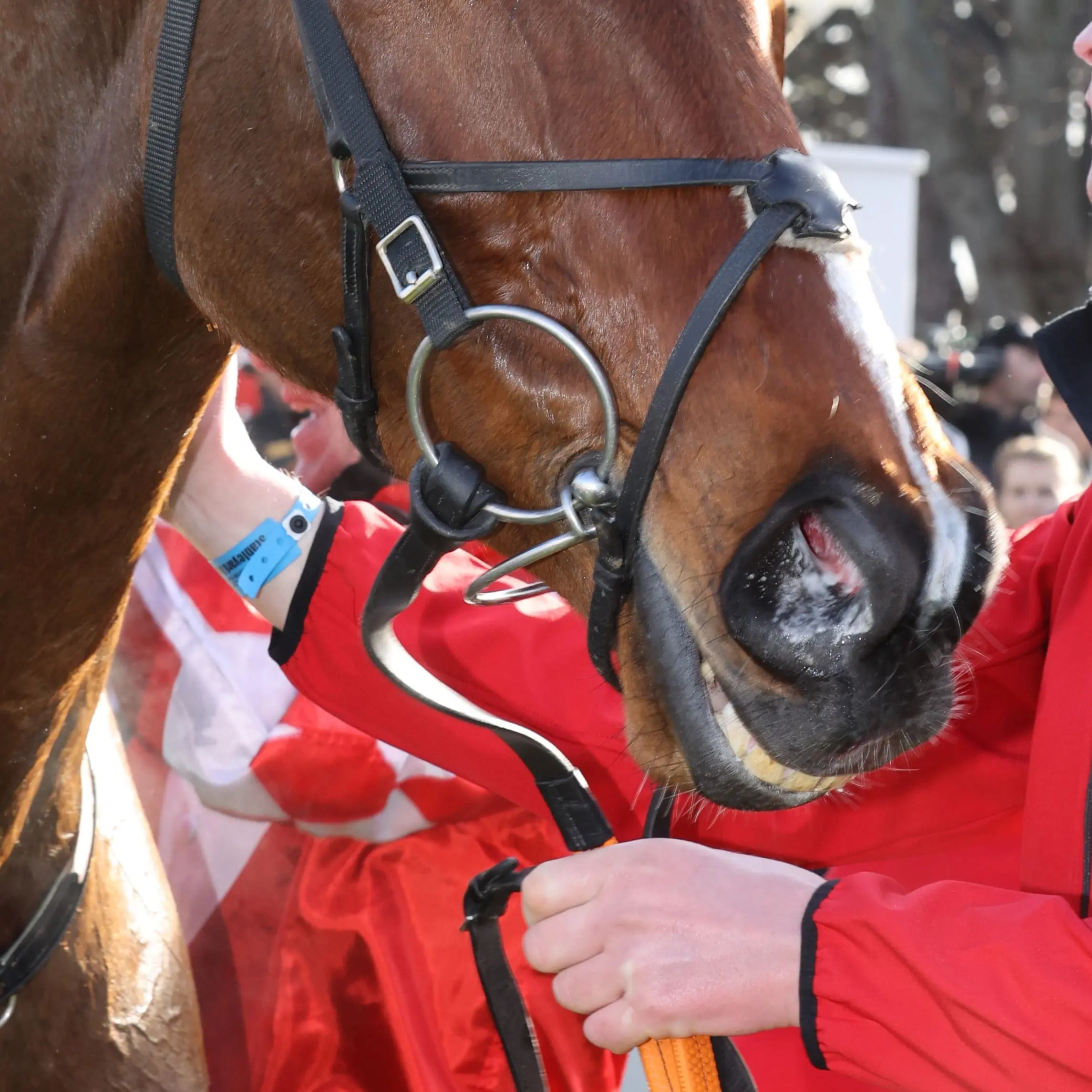
Early detection of subtle signs will allow early intervention to limit damage, these signs include:
- nasal discharge
- excessive snorting/attempts to clear the airways
- coughing
- head shaking
- increased breathing effort and rate
This early recognition allows you to step in and offer some additional nutritional support and environmental management.
Managing Pollen Exposure in Horses
Provision of additional ingredients to the diet, such as an elevated level of Omega 3 fatty acids and antioxidants, will help to regulate the immune system and provide support specific to the respiratory system, which is the frontline when it comes to pollen allergies. Providing antioxidants, including vitamin C to support their own intrinsic supply, will aid and protect the respiratory system and help the immune system manage the challenge over time.

Nutritional Support for Respiratory Health in Horses
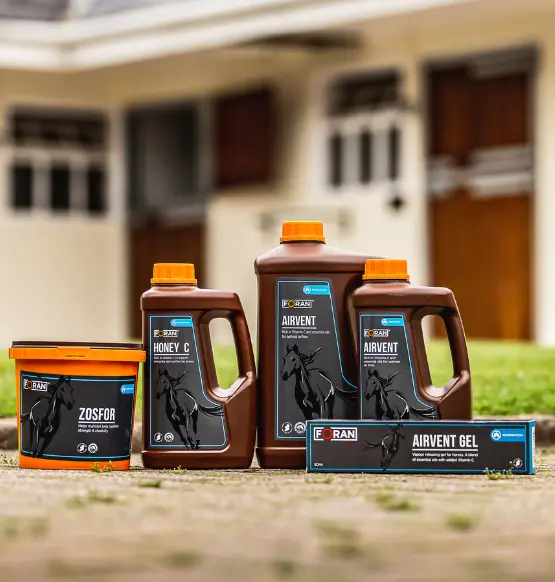
Foran Equine have a range of respiratory support supplements to support horses prone to pollen-related respiratory irritation including AIRVENT , HONEY C, and ZOSFOR. These products contain a range of ingredients such as Vitamin C that provide antioxidant support, as well as other tailored ingredients promoting normal function of the respiratory system to ease irritation, coughing and excess mucous production. We also recommend the Foran Equine KENTUCKY KARRON OIL or LINSEED OIL to boost their intake of Omega 3 fatty acids, these act as a natural anti-inflammatory, as well as having antioxidant properties.
The Gut–Immune Connection in Horses
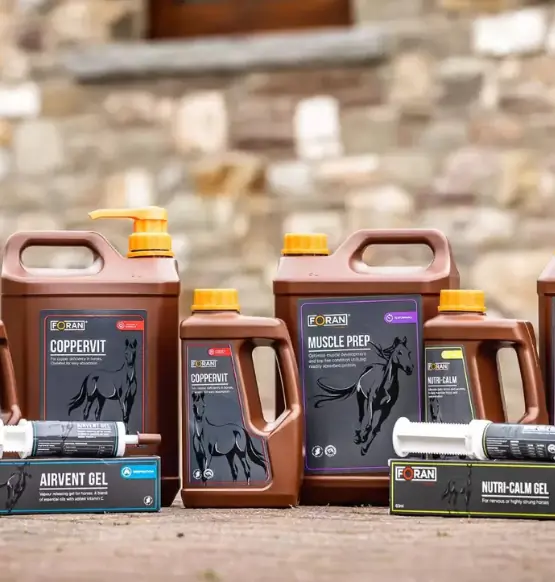
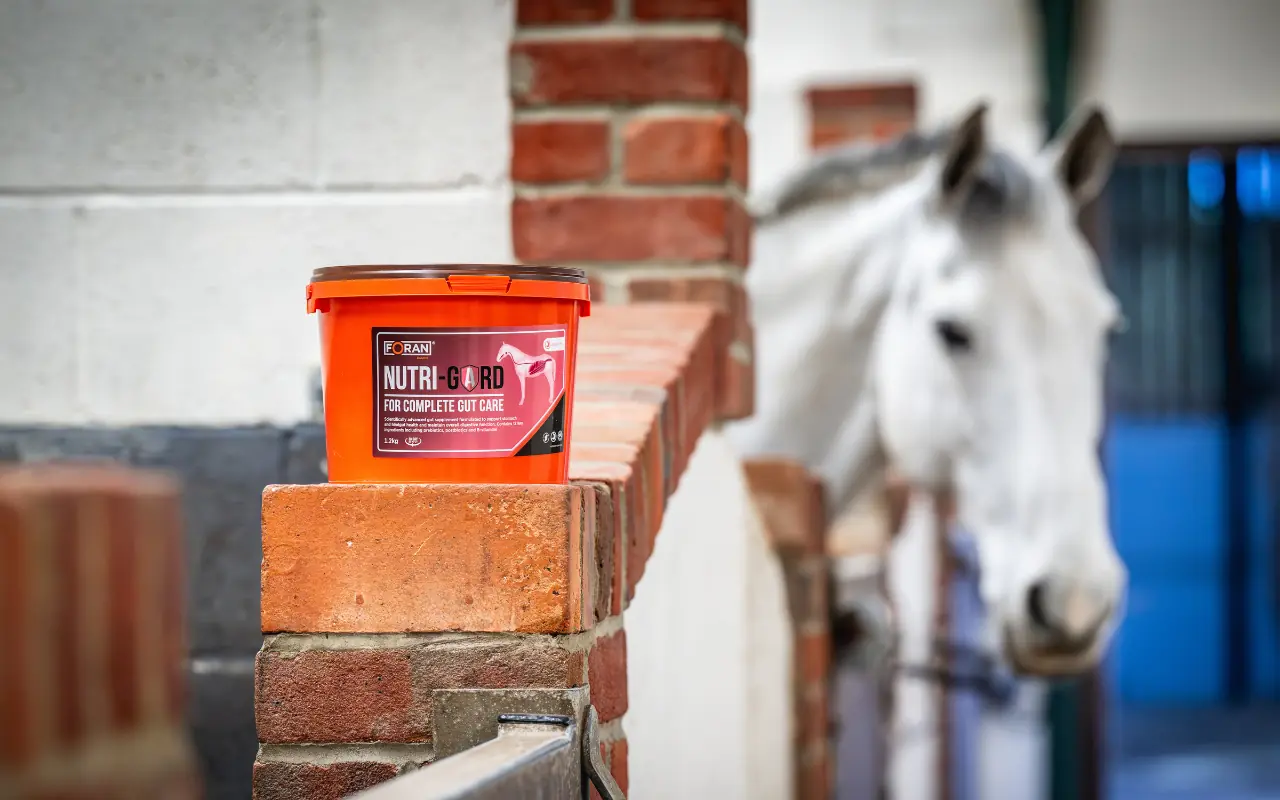
We are becoming increasingly aware of how ensuring optimal hind gut health has a direct impact on the regulation of the immune system, we believe supporting hindgut health using pre-, pro-, and postbiotics can regulate the immune system to better manage periods of challenge such as respiratory allergies. Although the link may not be obvious, the research tells us it is there. If you would like to go the extra step in supporting affected horse’s through allergy season, considering gut support such as Foran Equine NUTRI-GARD in combination with the Horse Care range as these will provide wide-ranging beneficial effects to the horse and their performance.
Related Blogs
Racehorse Bone Health Nutrition Early Training

Winter Training, Immune Health & Performance for National Hunt Racehorses
NUTRI-GARD: Did You Know?