

 E-Store
 Where to Buy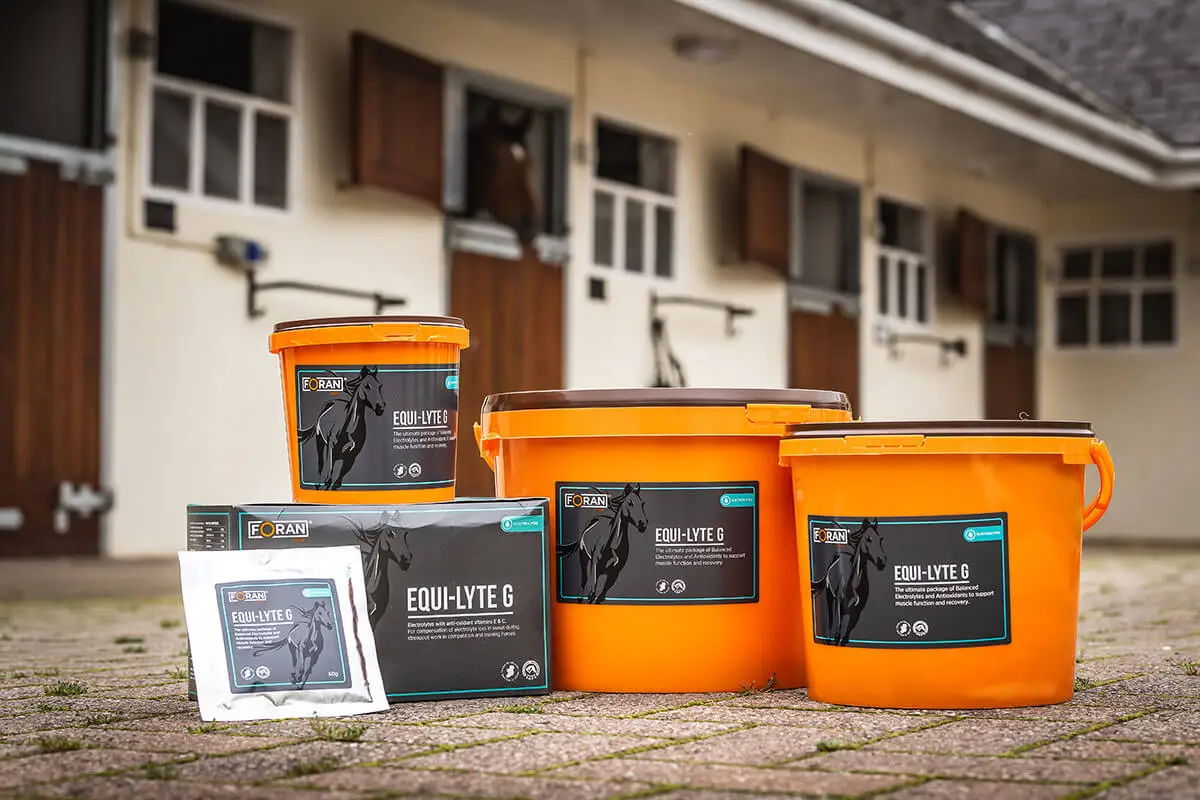
How Electrolytes Support Horses During Heat, Exercise and Recovery
Horses sweat at very high rates, which acts as an effective cooling system, but this comes with the loss of electrolytes and body fluids which must be replaced to ensure normal ongoing body function and optimise recovery in the equine athlete.
Why Does My Horse Sweat?
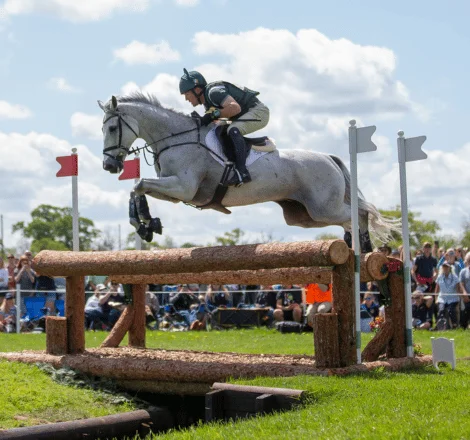
All muscular contraction creates heat, be it walking around the field grazing or running a race. Some of this heat is stored by the body as all physiological processes require a certain temperature to operate properly. However, if this optimum temperature range is exceeded, these vital processes start to fail. Any excess body heat must therefore be lost or dissipated so the horse can maintain its body temperature.
How Much Do Horses Sweat?
One of the reasons that horses are such good athletes is because they can sweat at much higher rates than any other animal — up to three times as much as humans do. They can produce up to 15 litres of sweat per hour.
Why Is Sweating a Problem for Horses?
The immediate loss of body fluid may seem the most obvious issue for horses that are sweating excessively, but sweat also contains electrolytes — otherwise known as salts.
Equine sweat is hypertonic, meaning that it is saltier than other body fluids like blood and urine (unlike human sweat, which is hypotonic, or less salty than other body fluids). This means that horses lose higher quantities of electrolytes through sweat than we do, leaving the horse in danger of suffering from both dehydration and electrolyte imbalance/deficiencies.
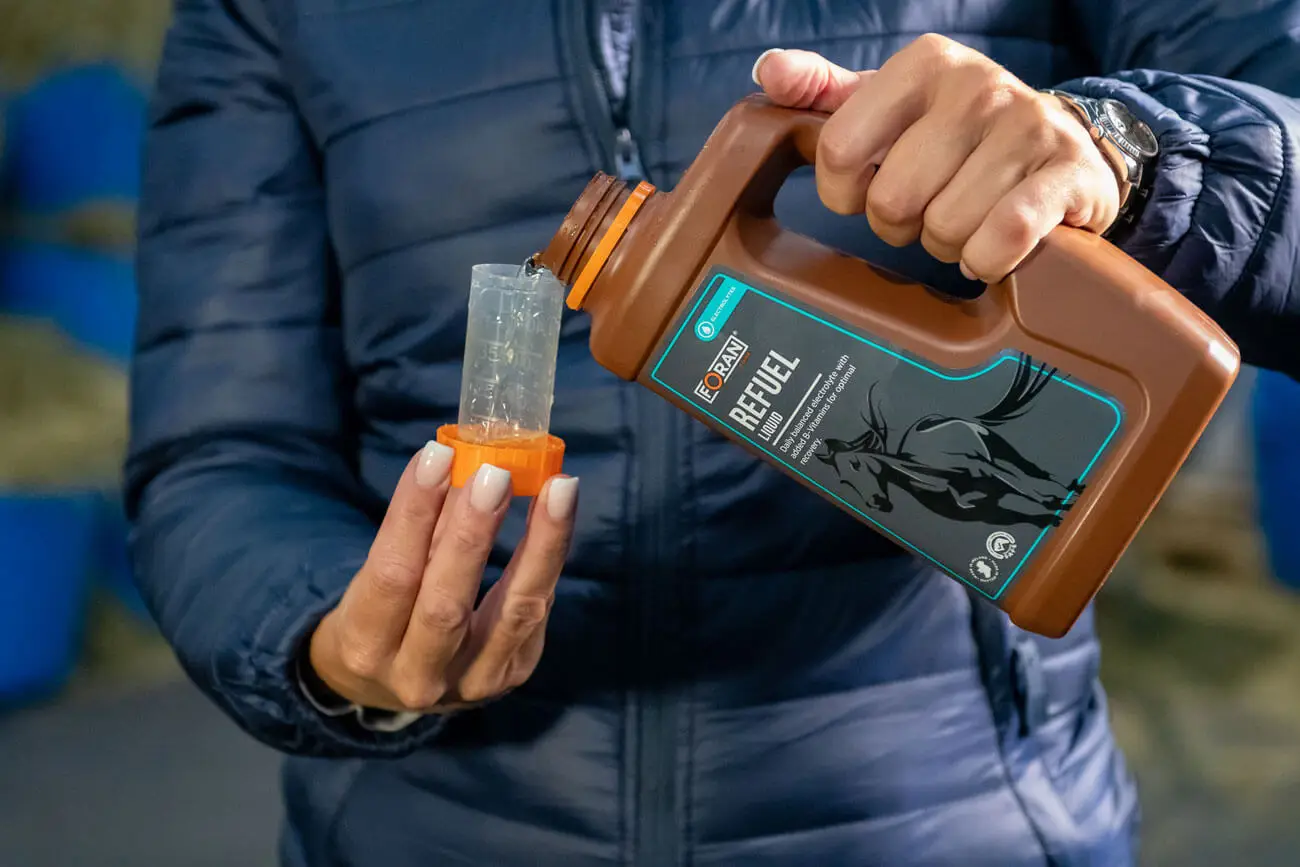
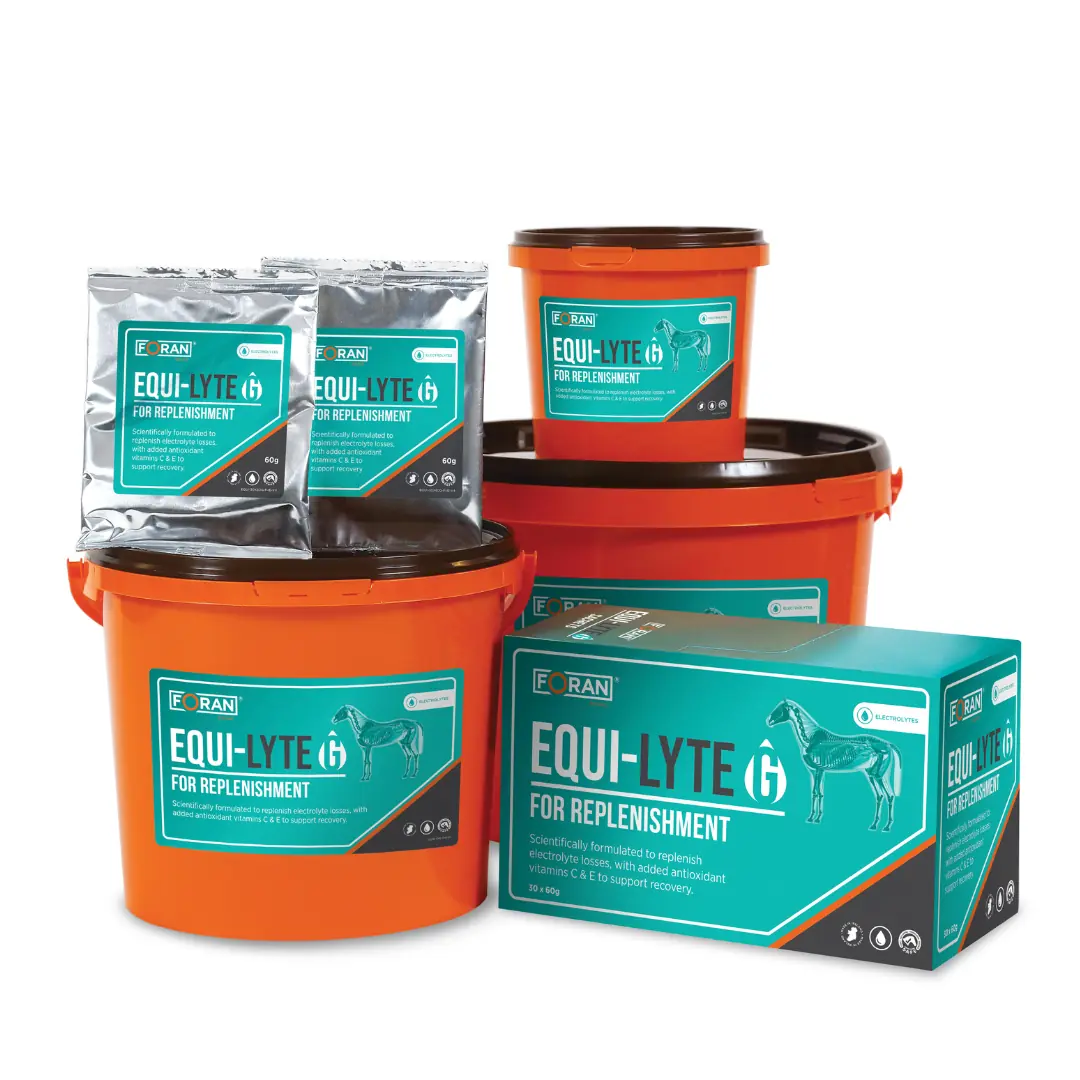
Electrolytes are essential for cell signalling and body function. In circumstances where horses are regularly working and therefore sweating (e.g. training), daily electrolyte supplementation with a product like Equi-Lyte G or Refuel Liquid can be beneficial.
Why Is Sweating a Problem for Horses?
The immediate loss of body fluid may seem the most obvious issue for horses that are sweating excessively, but sweat also contains electrolytes — otherwise known as salts.
Equine sweat is hypertonic, meaning that it is saltier than other body fluids like blood and urine (unlike human sweat, which is hypotonic, or less salty than other body fluids). This means that horses lose higher quantities of electrolytes through sweat than we do, leaving the horse in danger of suffering from both dehydration and electrolyte imbalance/deficiencies.
Electrolytes are essential for cell signalling and body function. In circumstances where horses are regularly working and therefore sweating (e.g. training), daily electrolyte supplementation with a product like Equi-Lyte G or Refuel Liquid can be beneficial.
Key Electrolytes and Their Functions
- Sodium helps balance the body’s water levels and maintain blood pressure.
- Chloride is required to maintain the balance of acids and bases (alkalis).
- Potassium helps balance the fluid inside the cells and is vital for optimum muscle, heart and kidney function. Potassium loss decreases muscle strength, tone, and ability to contract.
- Calcium is essential for maintaining normal, controlled skeletal and heart muscle contractions. Calcium also builds bones and teeth and contributes to normal function of heart, nerves, muscle and blood clotting.
- Magnesium is important for normal muscle function, nerve transmission, and bone formation.
How Do Electrolyte Imbalances Affect My Horse?
An imbalance or a loss of electrolytes can affect the horse in a variety of ways. For example, the loss of sodium, chloride, potassium, and magnesium greatly disrupts the functioning of nerve and muscle tissue. As performance horses rely on strong, efficient muscle function, maintaining electrolyte levels is particularly important. An imbalance or a depletion of electrolytes in these animals can lead to premature muscle fatigue, reduced stamina, muscle cramps, and poor post-exercise recovery.
Some specific conditions are caused by electrolyte imbalances. The loss of calcium and magnesium can lead to sensitisation of the phrenic nerve causing synchronous diaphragmatic flutter, more commonly known as ‘thumps’. The diaphragm uncontrollably spasms in horses with this condition.
When and How Should I Give My Horse Electrolytes?
Replacing lost electrolytes post exercise is vital for peak health, performance, delayed onset to fatigue and optimum post exercise recovery. It is important that the electrolyte replacement product used contains electrolytes in similar proportions to those lost in sweat and that adequate amounts are fed to match overall losses.
Electrolyte supplements often also contain carbohydrates such as glucose or sucrose which are readily available sources of energy and could help in the absorption of electrolytes.


As the body monitors and controls fluid volume by responding to the sodium concentration of body fluids, providing an electrolyte supplement alongside water will rehydrate a horse faster than just using water alone. In fact, providing just water will dilute sodium in the body (which is already low due to sweating) and can actually reduce thirst and cause the horse to stop drinking. This is further exacerbated by the kidneys excreting more water to try and bring up the sodium concentration in the blood to normal levels.
Daily and Fast-Acting Electrolyte Supplements
Daily supplementation with a product such as Equi-Lyte G or Refuel Liquid helps ensure that electrolyte levels are optimal during ongoing training. It provides the key electrolytes that are lost through sweating, along with antioxidant vitamins, in a palatable powdered formulation. For competition, or training sessions of strenuous exertion, Refuel Gel is specifically designed to quickly replace essential electrolytes in an easy-to-administer paste, making it perfect for on-the-go use in performance animals. It should be given with a handful of hay/grass or mash when the horse is completely cooled down for ease of absorption in the horse’s digestive tract.
It is important to remember that when any product containing electrolytes is given to horses, free access to a supply of water should always be provided. Failure to do this when feeding electrolytes can be catastrophic metabolically, leading to further dehydration.
For more advice on targeted supplementation to support your performance goals, contact Foran Equine to speak to one of our advisers.

Related Nutritional Articles
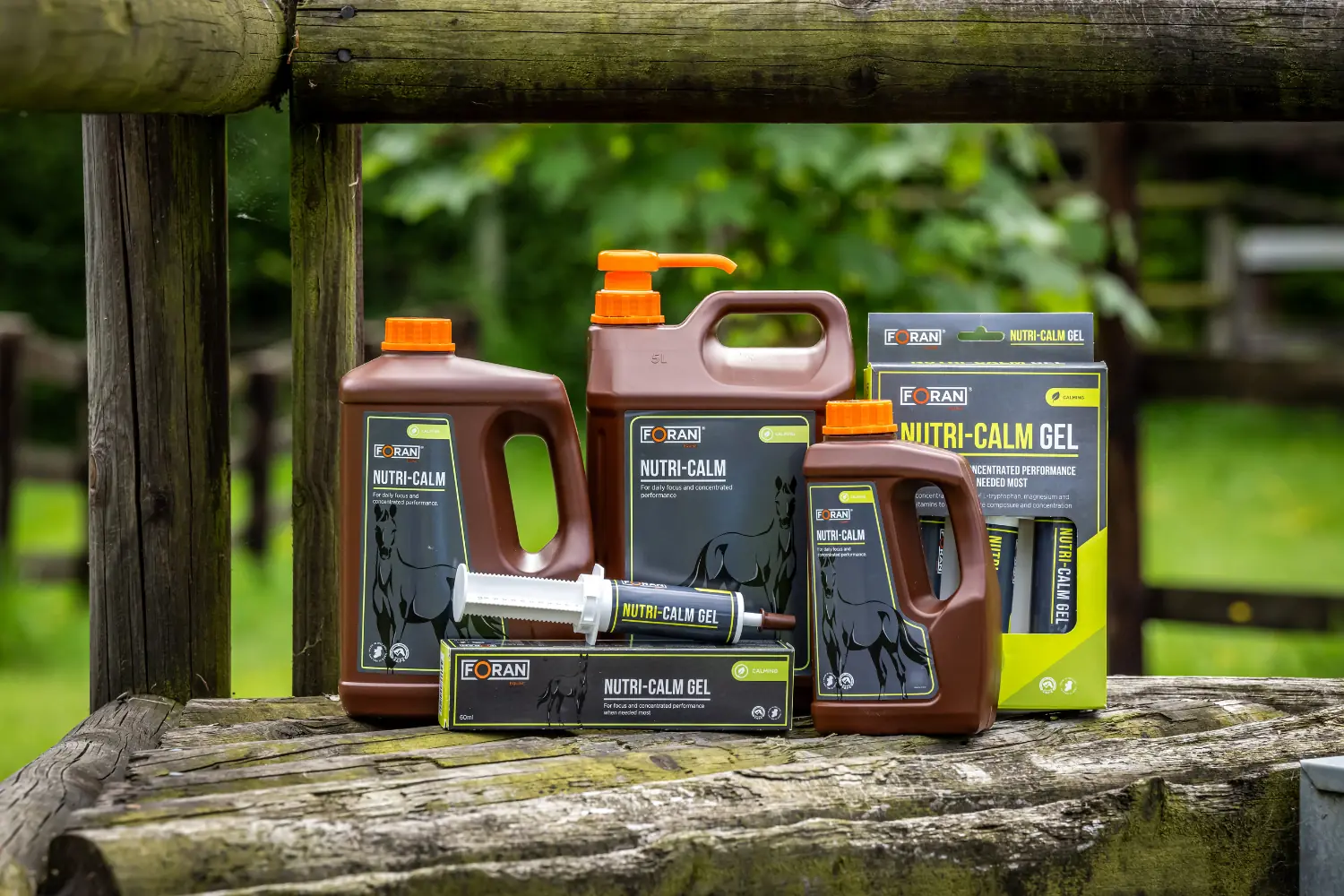
NUTRI-CALM LIQUID vs NUTRI-CALM GEL

Competition Day Energy & Recovery for Horses
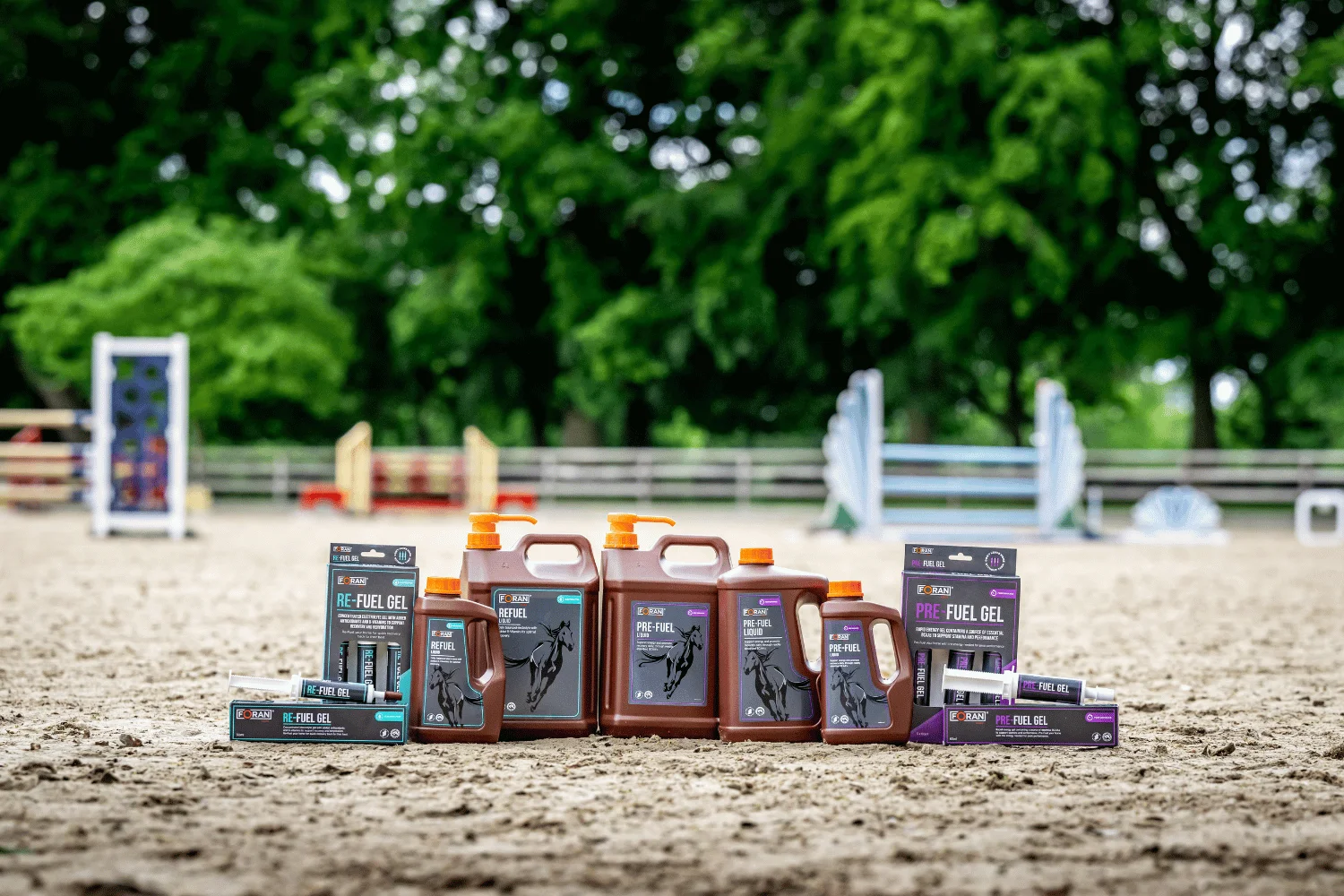
Your PRE-FUEL & RE-FUEL FAQs: Energy, Performance & Recovery