
 E-Store
 Where to Buy
Our nutritional articles are supported by leading industry research and curated by our nutritional experts
Led by industry-leading science and penned by our expert nutritionists and technicians, our nutritional articles strive to address the many equine health issues and challenges that exist. Explore for tips and advice alongside tailored equine supplements and feed solutions to support the best health and performance.
Use our filter tools to filter our nutritional articles according to the relevant horse discipline, product or health-related issue.
Explore latest nutritional articles
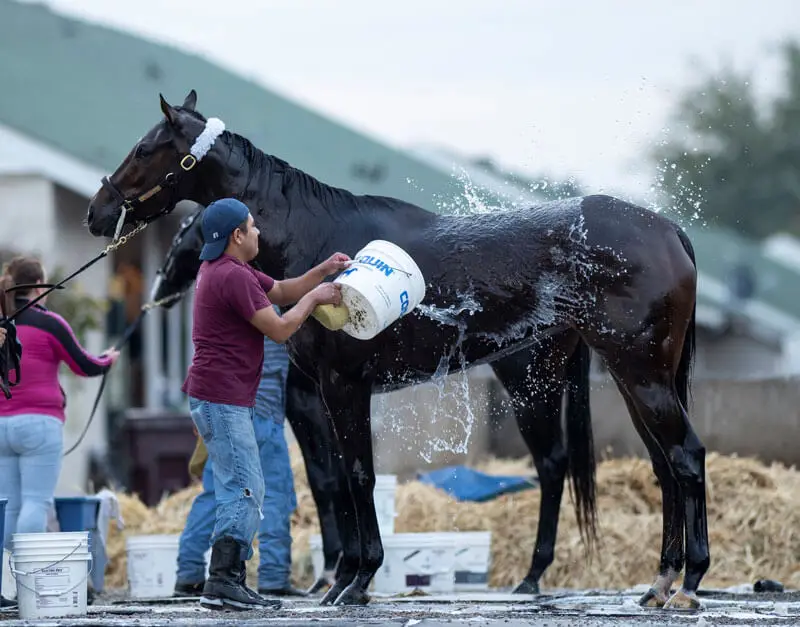
Managing Anhidrosis in Horses: Signs, Causes & Nutritional Support
Anhidrosis is a serious problem that can develop in horses exercising in hot humid conditions.
Vitamin and Mineral Deficiencies in Horses: How Supplements Can Help
All mammals, including horses, need certain vitamins and minerals for essential body functions. These micronutrients can often only be obtained from the diet, so deficiencies can occur if nutritional requirements are not met.
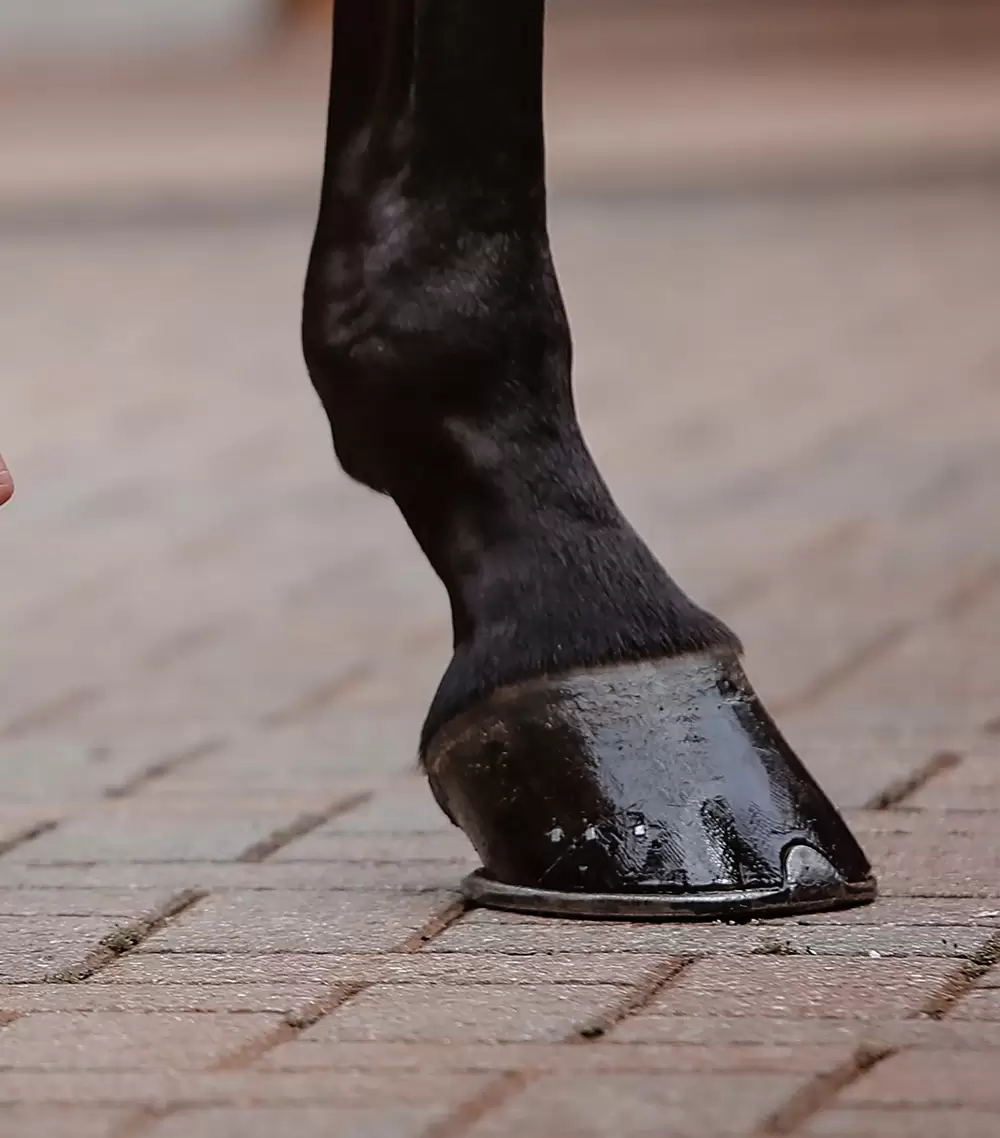
Laminitis in Horses: Hoof Care, Nutrition & Management
Laminitis is a painful condition in horses and ponies. It is common and frequently recurs in susceptible animals due to underlying conditions. These horses and ponies require special management to try and limit the severity and recurrence of laminitis.
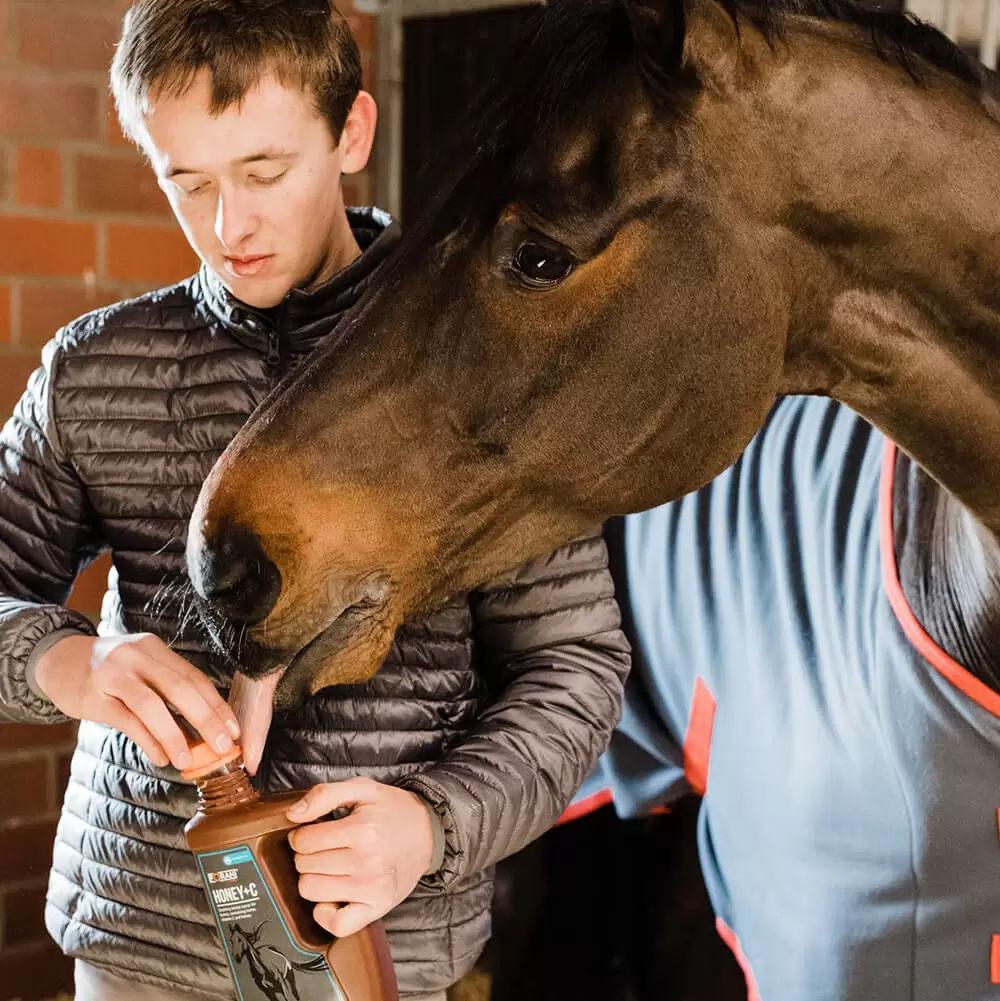
Boosting Your Horse’s Immune System – From Foals to Adults
Your horse’s immune system is vital for fighting infections - be it a virus, bacteria, parasite or fungi. Horses with compromised immune function are more susceptible to illness, ill-thrift, and poor performance.
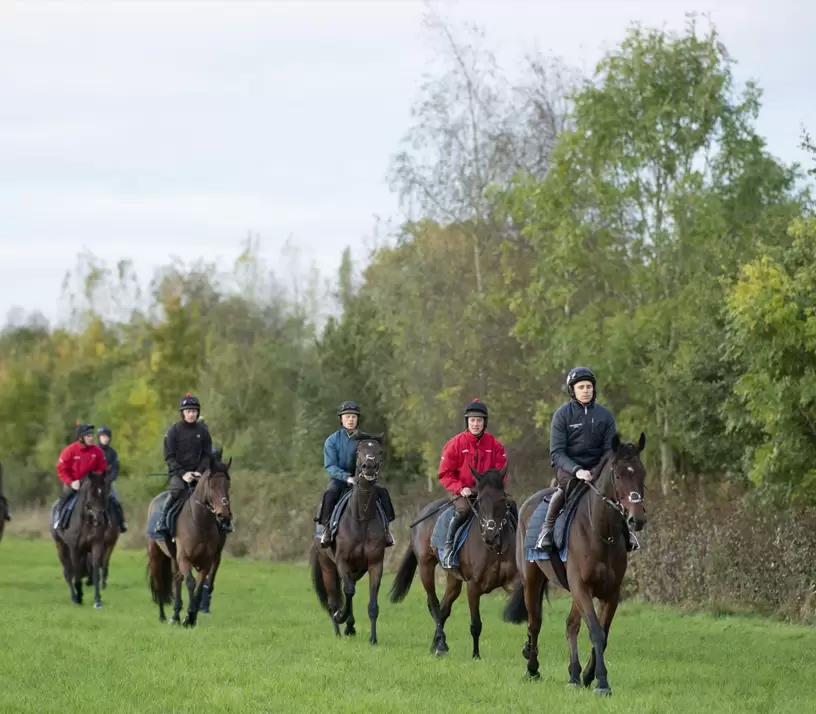
Understanding EIPH in Horses: Bleeding in the Lungs
Exercise induced pulmonary haemorrhage is a condition of the lungs that can be found in horses undertaking high-intensity exercise. It is thought to affect up to 95% of racehorses, based on the detection of blood on endoscopy post-exercise.
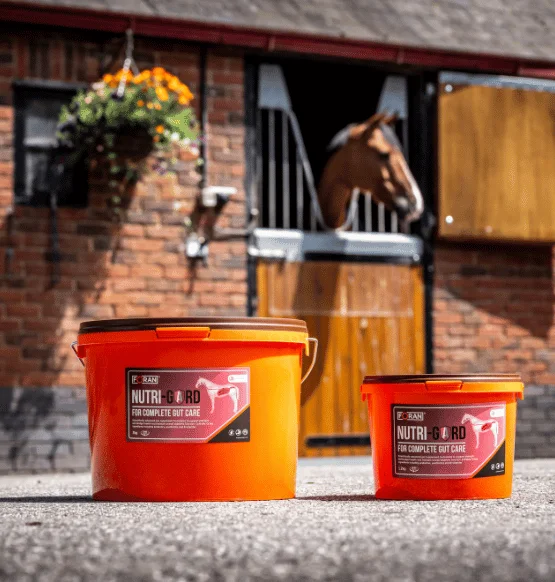
Colic in horses: types of colic, symptoms and treatment
Colic is a relatively common condition in horses, with studies showing that 4-10% of horses are diagnosed with colic every year.1 However, it is important to be aware that some types of colic are more serious than others.

Tying Up in Horses: PSSM2 & MFM and Supporting Muscle Health
For years scientists have attempted to discover the causes of tying up in horses. One of the leading researchers in this field is Dr S Valberg.